
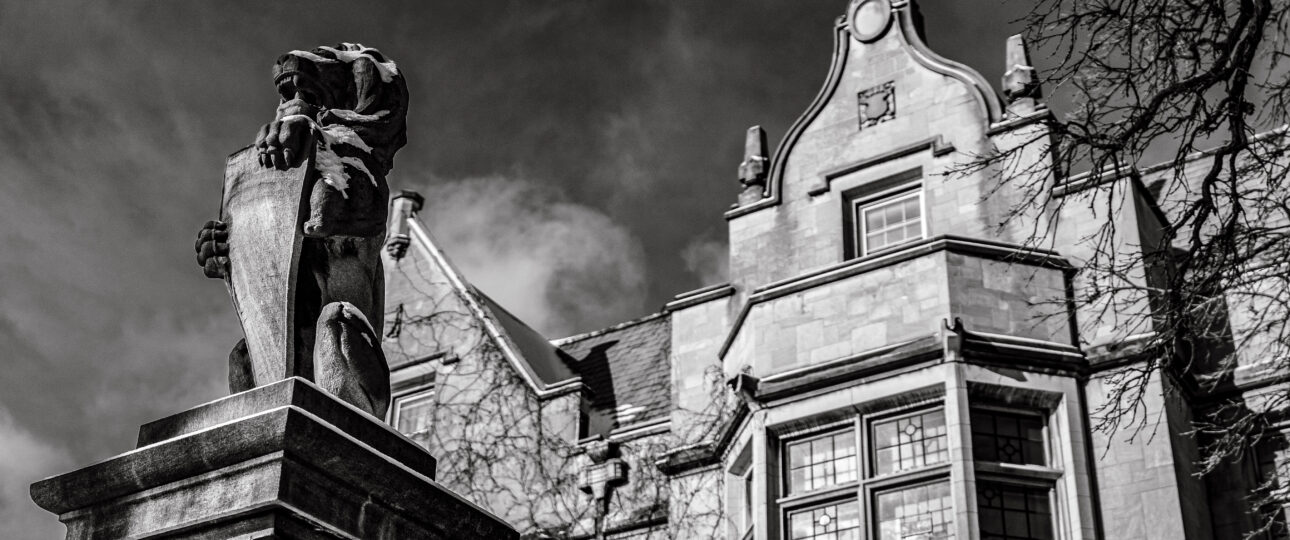
Who Grew Up in the Pillsbury Mansion? Philip Pillsbury, the Master Miller
When the family of Charles Stinson Pillsbury moved into their newly finished mansion at 100 East 22nd Street in 1916, one member of the household was a thirteen-year-old boy with a famous last name and no idea yet of how far he would carry it. Philip Winston Pillsbury — grandson of company cofounder Charles Alfred Pillsbury — came of age beneath centuries-old carved English oak, and grew up to become the rarest creature in the modern food business: a chief executive who was also a master miller.
This is the story of the boy who grew up in the mansion — and of the flour-dusted leader who took the family company from $47 million in sales to more than $300 million.
A Boyhood Among Very Old Things
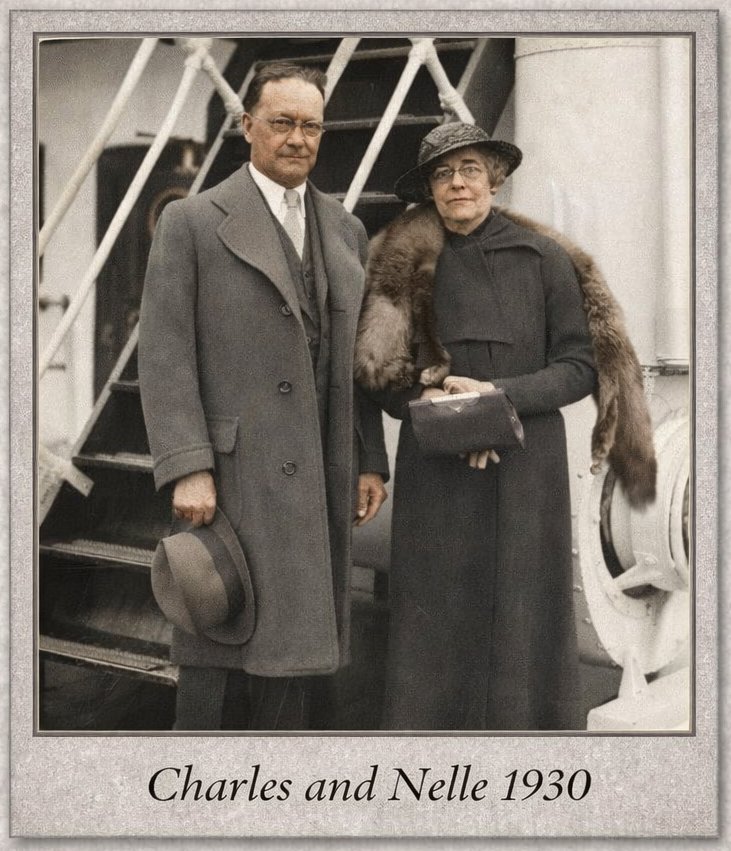
Philip was born in 1903, the son of Charles Stinson Pillsbury and Helen “Nelle” Winston Pillsbury — the couple whose story we tell on The Owners. When his parents completed their great Elizabethan house, its rooms paneled in oak from Rotherwas Court and glowing with ancient stained glass, Philip was entering his teens. School soon pulled him east — the Hotchkiss School, class of 1920, then Yale, class of 1924 — which means the mansion was, for Philip, the house he came home to: Christmases and summers under a roof where the woodwork was three centuries older than the country outside.
He was no wallflower back east. At Yale, Philip was a starting guard on the undefeated 1923 football team, an All-American water polo athlete, and a tenor in the Yale Glee Club. The energy, it seems, ran in the flour.
From the Mill Floor Up
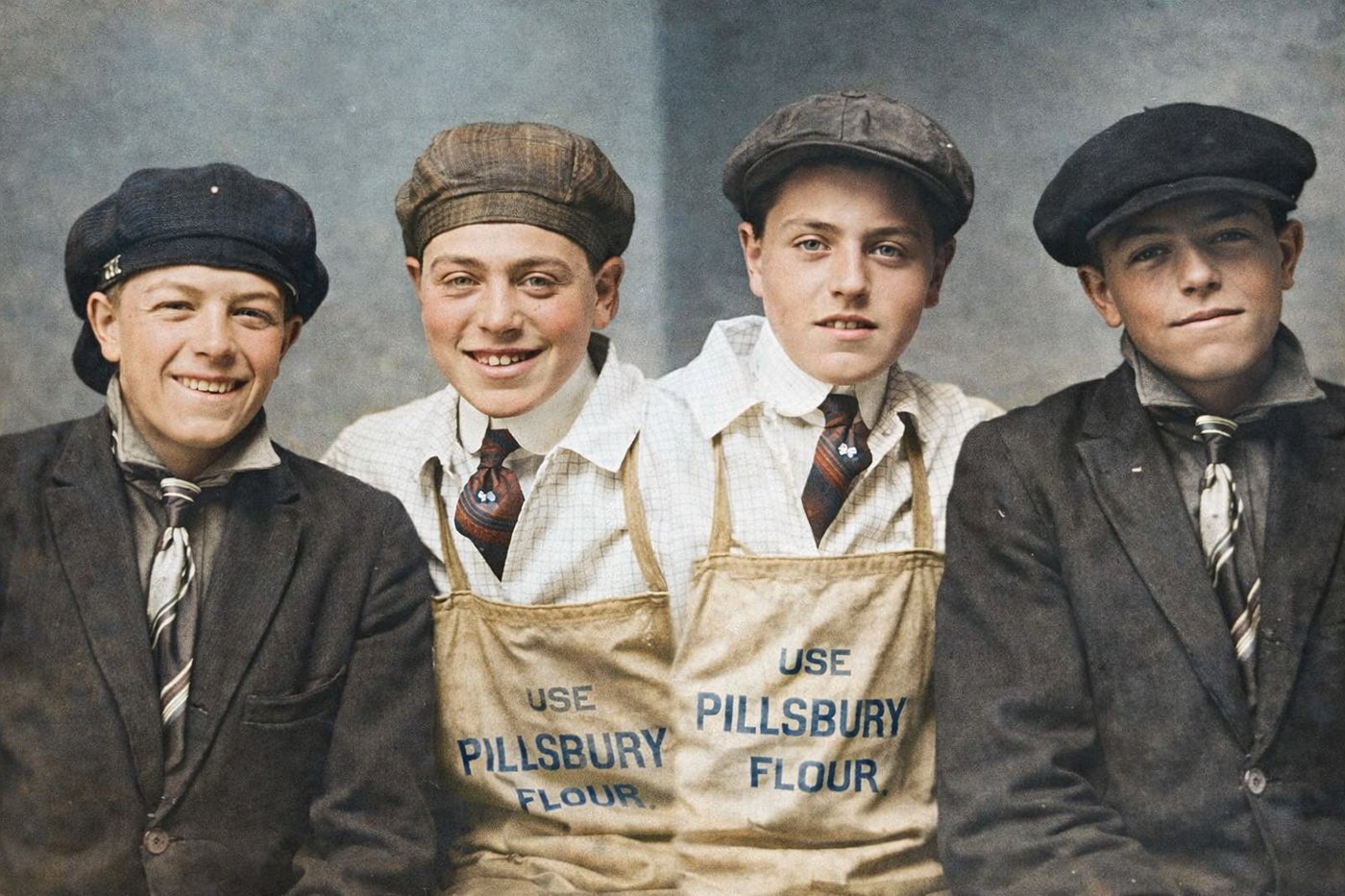
Here is the part of the story that would surprise anyone who pictures a Gilded Age heir gliding into a corner office. Philip Pillsbury started at the family company as a laborer — on the mill floor, in the noise and the flour dust. He worked his way up to master miller before he ever accepted a promotion into sales or management, and he was said to be one of the few milling executives in America with a real, hands-in-the-grain knowledge of flour milling.
He joined the board of directors in 1928. In 1940, at age thirty-seven, he became president of the company his grandfather had cofounded — and in 1951 he was elected chairman of the board.
Forty-Seven Million to Three Hundred Million
The numbers tell the tale plainly. According to Harvard Business School’s Great American Business Leaders of the 20th Century, when Philip took control in 1940 the company had sales of $47 million; by the end of his tenure as president, sales topped $300 million. He bought mills, launched products, and steered the flour company squarely into the consumer-goods age — the era that put refrigerated dough into American iceboxes and, in time, gave the world a giggling little mascot named Poppin’ Fresh. The company his grandfather began with a dilapidated mill on the Mississippi in 1869 was, under the grandson, becoming a name in every kitchen in America.
The Bake-Off Ritual
Philip’s most theatrical legacy arrived in 1949, when the company celebrated its 80th birthday by staging the Grand National Recipe and Baking Contest at the Waldorf-Astoria in New York — the event the world came to know as the Pillsbury Bake-Off. Philip personally invited First Lady Eleanor Roosevelt as guest of honor, and watched Theodora Smafield of Rockford, Illinois collect a $50,000 grand prize for her No-Knead Water-Rising Twists. (We’ve told the story of the Bake-Off and the Betty Crocker rivalry before — it’s a delicious one.)
But note the detail that defined the man: at every single contest, it was Philip Pillsbury himself who led the hundred finalists to their stoves. He performed that ritual from 1949 until 1984 — the final year of his life. A master miller to the last, escorting America’s home bakers to their ovens.
The House That Raised Him
Philip Pillsbury died in Minneapolis in June 1984 and was buried at Lakewood Cemetery, not far from the great stone house of his boyhood. The mansion still stands at 100 East 22nd Street, its Rotherwas oak as dark and watchful as it was when a teenage Philip climbed its staircase — and you can meet the rest of his remarkable clan on The Pillsbury Family.
Better still, come stand where he stood. The Pillsbury Club hosts year-round tours of the mansion — it’s also the launch point for Minneapolis Trolley Tours — and if you’d like to sleep in a Gilded Age mansion while you’re in town, our sister house, the 300 Clifton bed & breakfast, keeps a room ready. The boy who grew up here would tell you: start on the ground floor.
Keep reading: Where did the other rooms of Rotherwas Court end up?
Keep reading: the mansion Philip grew up in now hosts private celebrations — see Can You Rent a Historic Mansion for a Party in Minneapolis?