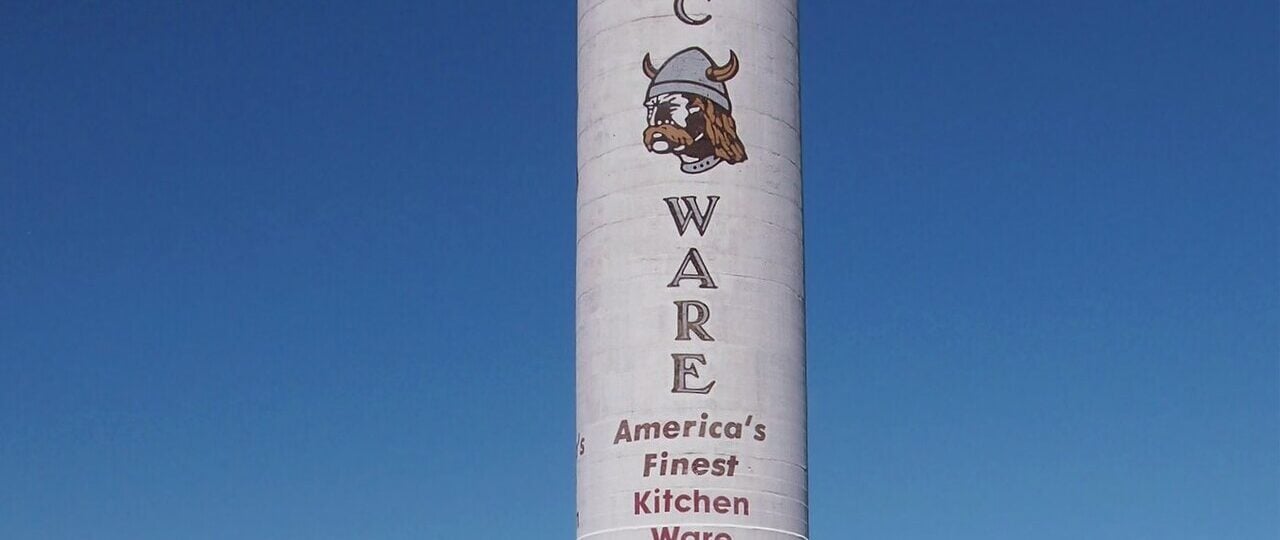
CategoriesHistory JournalThe Peavey–Haglin Experimental Concrete Grain Elevator, the 1899 "Peavey's Folly," painted with the Nordic Ware name on the company grounds in St. Louis Park

Why Does a Bundt Pan Company Own Minnesota’s Most Famous Grain Elevator? Peavey’s Folly and the Pillsbury Bake-Off

How Peavey's Folly, the 1899 concrete grain elevator in St. Louis Park, ended up on…

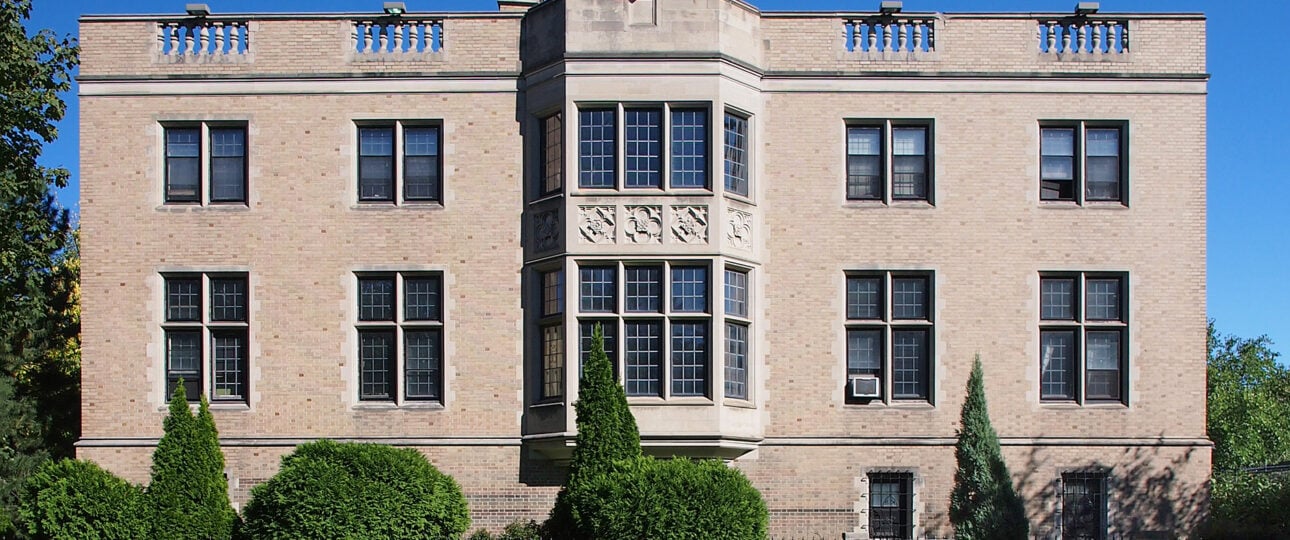
CategoriesHistory JournalThe pale front of the Christian mansion at 2303 Third Avenue South, now the Hennepin History Museum, a few blocks from the Pillsbury Mansion
What Is the Hennepin History Museum? The Flour Family Mansion a Few Blocks From the Pillsbury House

The Hennepin History Museum fills the Christian mansion, a flour family’s house by the Pillsbury…

CategoriesHistory JournalHistoric photograph of the curving Stone Arch Bridge crossing the Mississippi below St. Anthony Falls, with the Minneapolis flour-milling district behind
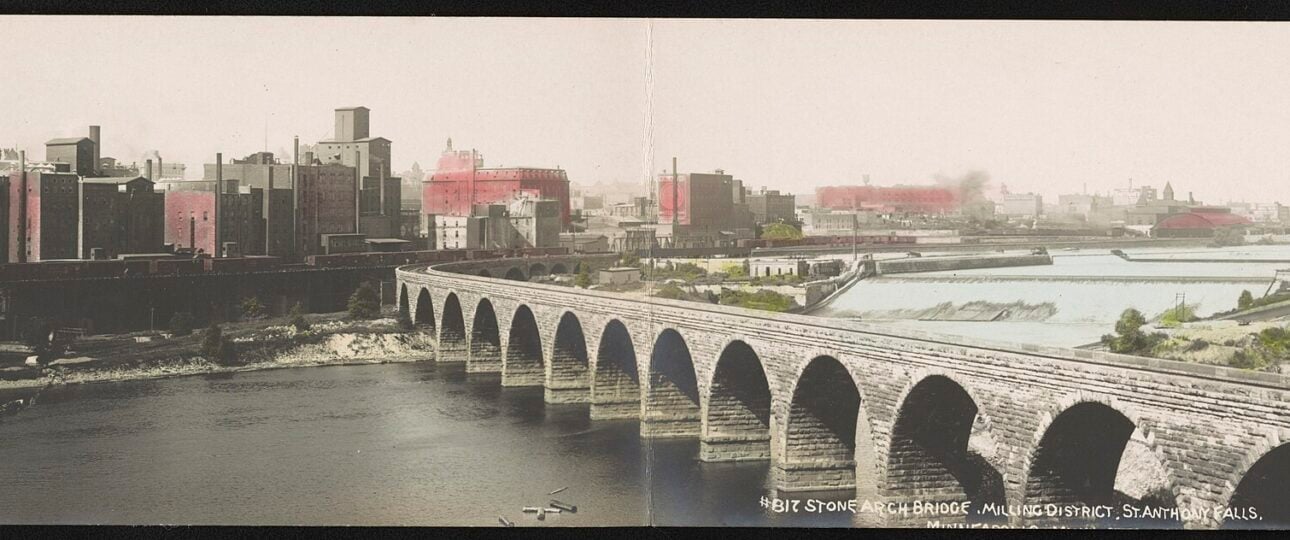
What Is the Stone Arch Bridge? The 1883 Railroad Bridge in the Flour District That Built the Pillsbury Fortune

The Stone Arch Bridge opened in 1883 beside St. Anthony Falls, in the flour-milling district…

CategoriesHistory JournalThe Minneapolis Grain Exchange trading room in September 1939, with sample trays of wheat from freight cars on the tables, photographed by John Vachon for the FSA
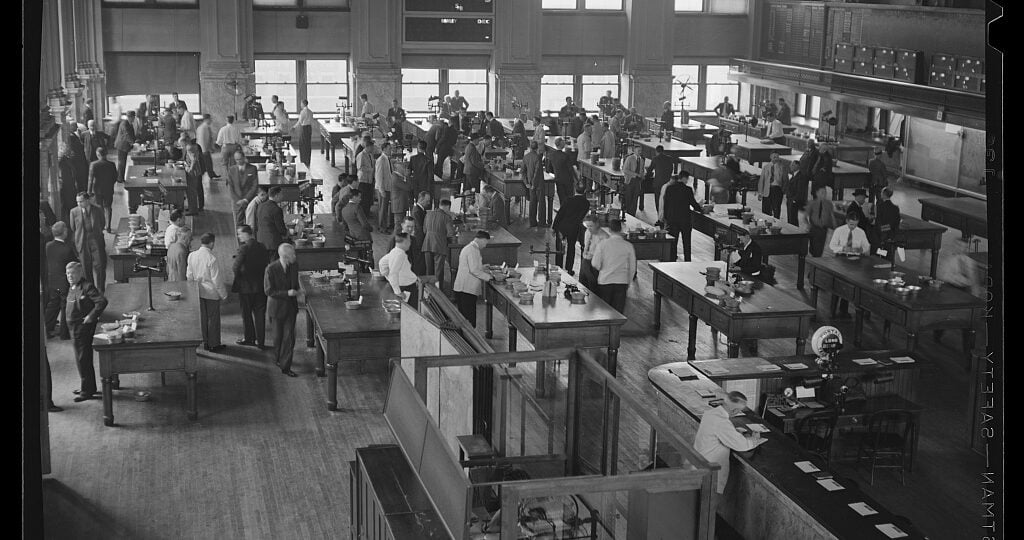
What Was the Minneapolis Grain Exchange? The Wheat Market Behind the Flour That Built the Pillsbury Mansion

Founded in 1881, the Minneapolis Grain Exchange traded the wheat behind the city's flour mills.…

CategoriesHistory JournalColorized early photograph of four young workers in caps and Pillsbury Flour aprons
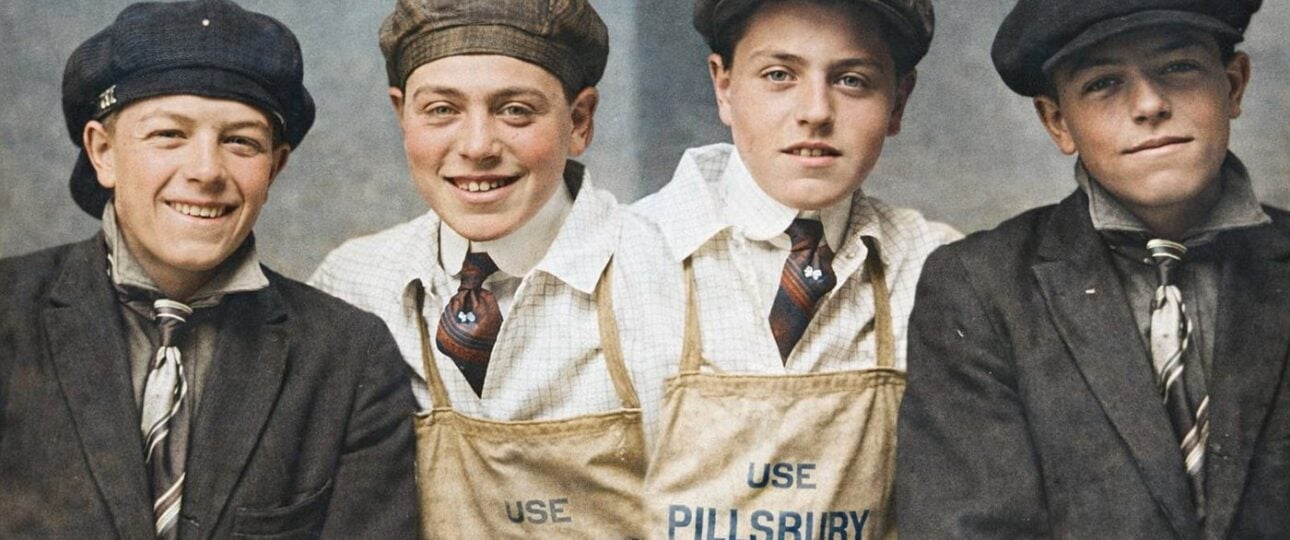
What Was the Washburn Memorial Orphan Asylum? How a Rival Flour Miller’s Will Built a Minneapolis Orphanage

Cadwallader Washburn, the Pillsburys’ great flour rival, left $375,000 for an orphanage in 1882. Here…

CategoriesHistory JournalCharles Stinson Pillsbury photographed in 1924, the year he repurchased the Pillsbury flour company from its English owners and brought the family name back into family hands.
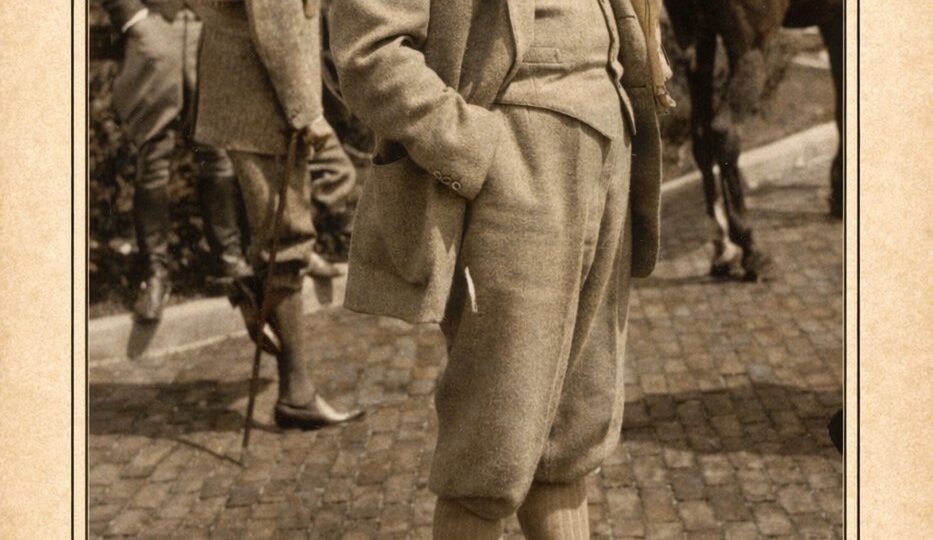
How Did Charles Pillsbury Buy Back the Family Flour Company in 1924?

In 1924, with the Pillsbury company near bankruptcy under English ownership, Charles Stinson Pillsbury repurchased…

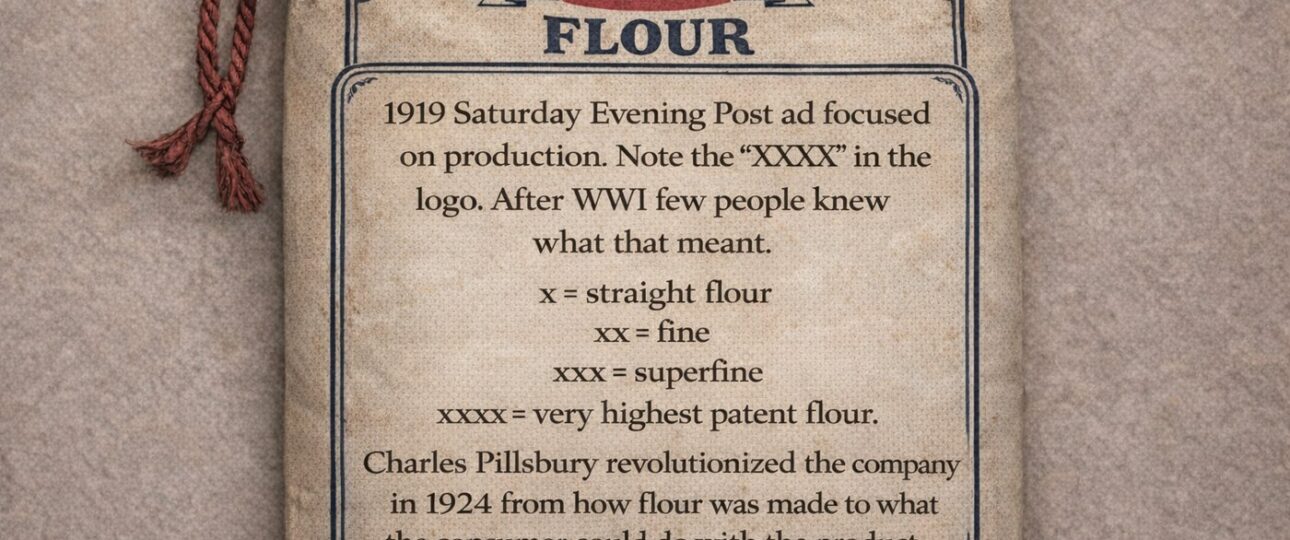
CategoriesHistory JournalVintage Pillsbury’s XXXX flour sack with a printed note explaining what the X marks on flour meant
Who Was Charles A. Pillsbury, the Miller Who Made the Fortune Behind the Mansion?

Charles A. Pillsbury turned a $10,000 gamble into the world's largest flour mill — and…

CategoriesHistory JournalVintage Pillsbury’s XXXX flour sack with a printed note explaining what the X marks on flour meant

What Happened to the Pillsbury Company? From a Minneapolis Mill to General Mills

The flour fortune built the mansion — but the company outlived the family. Follow Pillsbury…

CategoriesHistory JournalVintage Pillsbury’s XXXX flour sack with a printed note explaining what the X marks on flour meant

What Do the Four X’s on Pillsbury’s Best Flour Mean?

Three X's was the old millers' mark for the finest flour. In 1872, Charles A.…

CategoriesHistory JournalHistoric exterior of the Pillsbury Mansion in Minneapolis
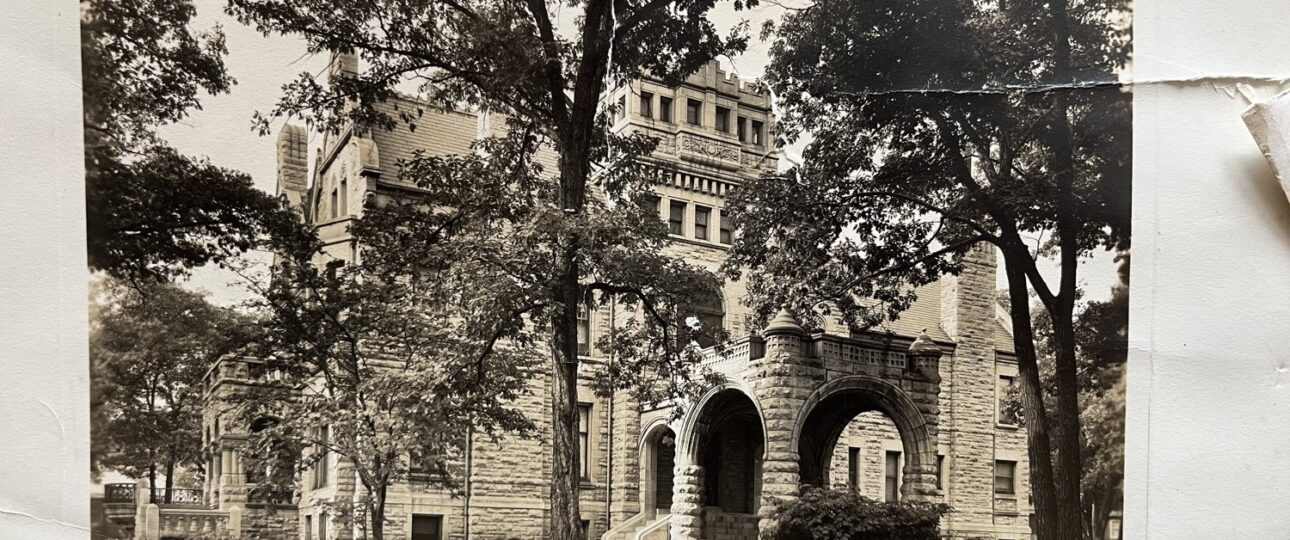
What Was Minneapolis Like in 1916, the Year the Pillsbury Mansion Was Finished?

In 1916, Minneapolis milled more flour than any city on earth ever had — and…

Login