
What Happened to the Pillsbury Company? From a Minneapolis Mill to General Mills
Step into the Charles S. Pillsbury Mansion at 100 East 22nd Street and you are standing inside a receipt. Every carved oak panel, every pane of ancient cathedral glass, every fireplace hauled across the Atlantic was paid for in flour. The house is still here. The company that paid for it is not — not as an independent company, anyway. The story of how that happened runs through a hamburger chain, a hostile bid from London, and a deadlocked vote at the Federal Trade Commission.
The Fortune That Paid for the Oak
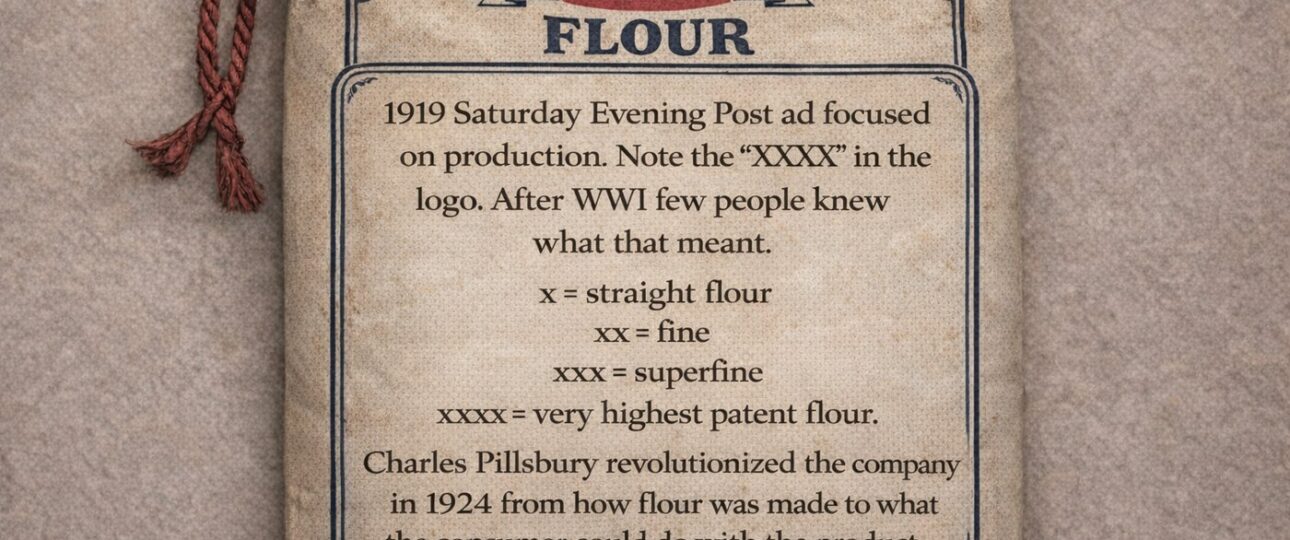
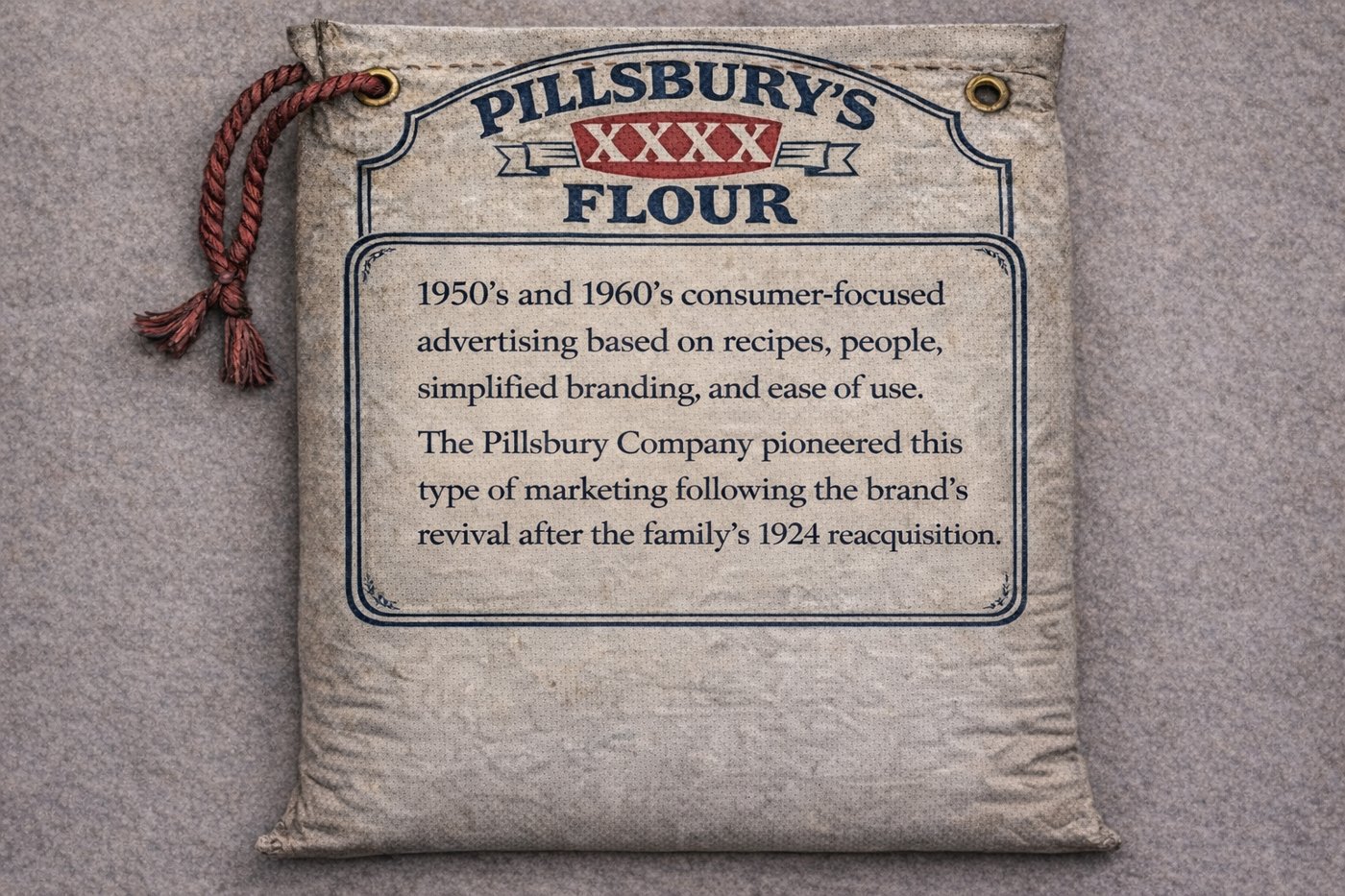
Charles Alfred Pillsbury bought into a Minneapolis flour mill in 1869, at the moment St. Anthony Falls was turning the city into what the Minnesota Historical Society calls the flour-milling capital of the world. In 1889 the family sold the mills to a British syndicate — a strange, largely forgotten interlude we’ve told in full in Was Pillsbury Ever a British Company? — and in the early 1920s Charles Stinson Pillsbury (1878–1939) bought it back and rebuilt it around a then-radical idea: sell the recipe, not the flour.
That was the money that built this house. Charles died in 1939; in 1940 the mansion left the family for good and became a Lutheran seminary — the first link in the chain of stewards on The Owners. The company was only getting started.
When a Flour Company Bought a Hamburger Chain
Under Philip W. Pillsbury and the executives who followed him, the company stopped being a miller and became a food conglomerate. Refrigerated dough arrived, and with it the most famous mascot in American grocery — the story we tell in the Doughboy’s mansion connection. Then came the acquisitions. Burger King in 1967. Green Giant in 1979. By the late 1980s the Pillsbury portfolio also held Häagen-Dazs, Bumble Bee, Totino’s, Jeno’s and Van de Kamp’s.
It was a very large, somewhat unwieldy company — and on Wall Street in 1988, that combination had a name: target.
October 1988: A $5.23 Billion Offer From London
On October 4, 1988, the British conglomerate Grand Metropolitan PLC offered $60 a share for Pillsbury’s 85.6 million shares — $5.23 billion, all cash. The Pillsbury board called it inadequate and told shareholders not to tender. It deployed a poison pill, fought Grand Met in Delaware chancery court, and reached for a dramatic defense: spinning Burger King off to its own shareholders, one Burger King share for every Pillsbury share.
Minneapolis analysts were unimpressed. One told UPI that the move was “too little too late.” He was right. Grand Met raised its bid to $66 a share and closed the deal in January 1989 for roughly $5.7 billion.
Note the symmetry. In 1889 a London syndicate bought the Pillsbury mills. In 1989 — one century later, almost to the year — a London conglomerate bought the Pillsbury company. The family name had crossed the Atlantic twice in a hundred years.
Diageo, and Then a Trip Back Across the River
In December 1997 Grand Metropolitan merged with Guinness to form Diageo — a company that wanted to be in spirits, not dough. Pillsbury was suddenly a very valuable thing its owner no longer wanted. The buyer was General Mills, and the U.S. antitrust review that followed was one of the tightest in modern food-industry history. On October 23, 2001, the Federal Trade Commission met in closed session and split 2–2 on whether to block it. A tie meant no action. Eight days later, on October 31, 2001, General Mills closed the acquisition of worldwide Pillsbury operations in a deal valued at roughly $10.4 billion.
And here is the part that would have stopped Charles S. Pillsbury cold. General Mills is the corporate descendant of Washburn-Crosby — the milling house directly across the river that spent decades trying to beat the Pillsburys, and whose full rivalry we cover in Who Were the Pillsburys’ Rivals Across the River? After 132 years, the Pillsbury name came home to Minneapolis — inside its oldest competitor.
Where the Pillsbury Name Lives Now
The brand was carved up along the way. Antitrust pressure pushed the dessert mixes, Hungry Jack and other shelf-stable baking lines out to Multifoods; they eventually landed with the J.M. Smucker Company, and in 2018 with Chicago-based Hometown Food Company, which licenses the Pillsbury name for flour, dry mixes and frosting. General Mills kept the refrigerated dough — and the Doughboy. Burger King is an independent public company again. Britannica has the short version of the whole arc.
So the answer to “what happened to the Pillsbury Company” is: it was sold, defended, spun apart, sold again, and finally absorbed — while the name outlasted every one of its owners.
The House Outlasted the Company
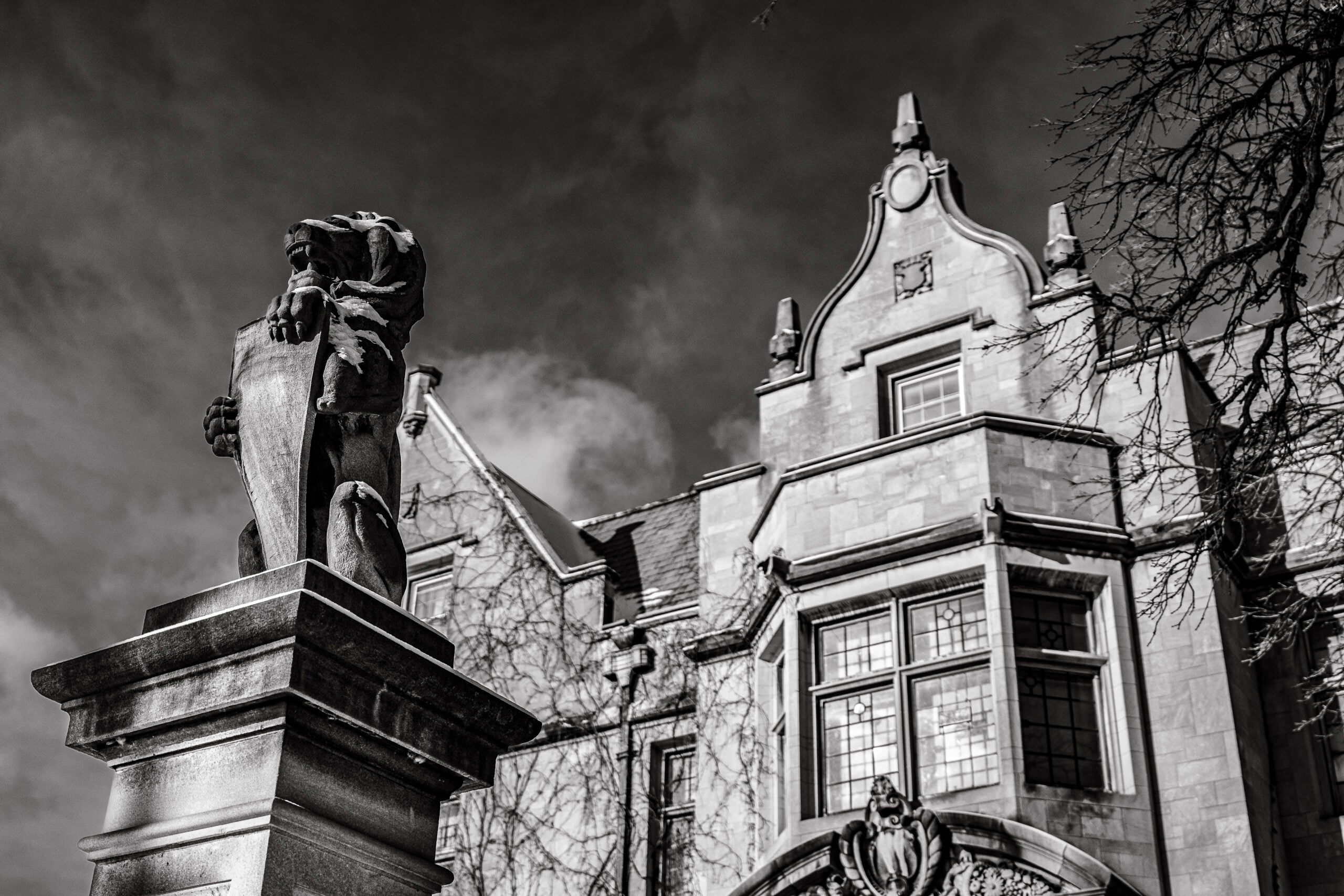
Boardrooms in London, Miami and Minneapolis each had their turn with the name. The house sat on East 22nd Street through all of it — seminary, ad agency, training center — and was entered on the National Register of Historic Places in 1974. The oak Charles S. Pillsbury imported is still on its walls; how it got there is the story in Building the Mansion and The Pillsbury Company.
Today it’s the Pillsbury Club, and you can walk through it on a mansion tour — it’s also the departure point for Minneapolis Trolley Tours, if you’d like to see the rest of the vanished avenue while you’re here. Making a weekend of it? 300 Clifton, a mansion B&B a few blocks away in Loring Park, is a fitting place to sleep on it. Book a tour or reserve a visit and come see what flour built.
Keep reading: is the Pillsbury Mansion actually on the National Register of Historic Places?