
CategoriesHistory JournalHistoric photograph of a woman in a long dark coat standing in deep snow outside the arched stone entrance of the Pillsbury Mansion in Minneapolis, beside a snow-covered evergreen

What Was the 1940 Armistice Day Blizzard? The Storm That Hit Minneapolis the Year the Pillsbury Mansion Was Sold

On Nov. 11, 1940, a 65-degree morning turned into one of Minnesota's deadliest blizzards. Here…

CategoriesHistory JournalThe Peavey–Haglin Experimental Concrete Grain Elevator, the 1899 "Peavey's Folly," painted with the Nordic Ware name on the company grounds in St. Louis Park

Why Does a Bundt Pan Company Own Minnesota’s Most Famous Grain Elevator? Peavey’s Folly and the Pillsbury Bake-Off

How Peavey's Folly, the 1899 concrete grain elevator in St. Louis Park, ended up on…

CategoriesHistory JournalThe pale front of the Christian mansion at 2303 Third Avenue South, now the Hennepin History Museum, a few blocks from the Pillsbury Mansion
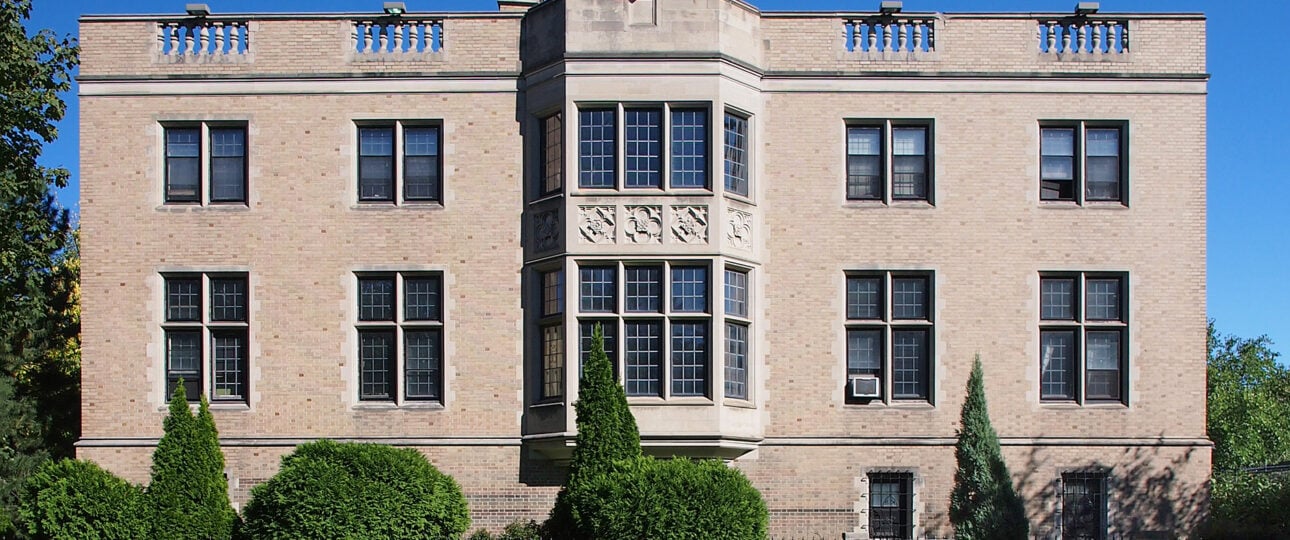
What Is the Hennepin History Museum? The Flour Family Mansion a Few Blocks From the Pillsbury House

The Hennepin History Museum fills the Christian mansion, a flour family’s house by the Pillsbury…

CategoriesHistory JournalHistoric photograph of the curving Stone Arch Bridge crossing the Mississippi below St. Anthony Falls, with the Minneapolis flour-milling district behind
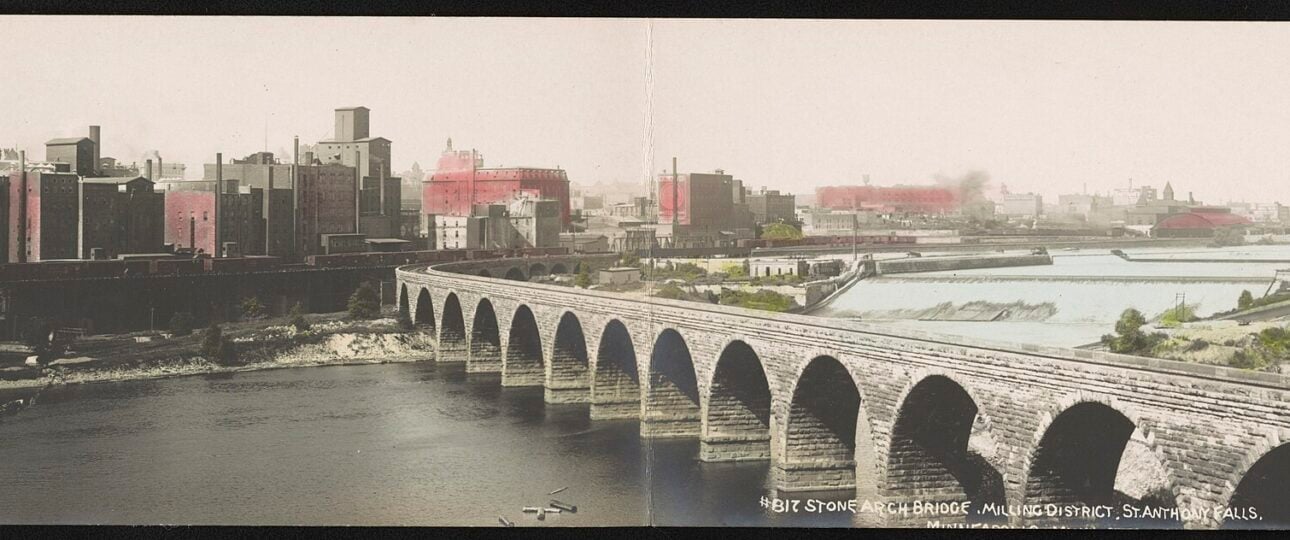
What Is the Stone Arch Bridge? The 1883 Railroad Bridge in the Flour District That Built the Pillsbury Fortune

The Stone Arch Bridge opened in 1883 beside St. Anthony Falls, in the flour-milling district…

CategoriesHistory JournalThe Minneapolis Grain Exchange trading room in September 1939, with sample trays of wheat from freight cars on the tables, photographed by John Vachon for the FSA
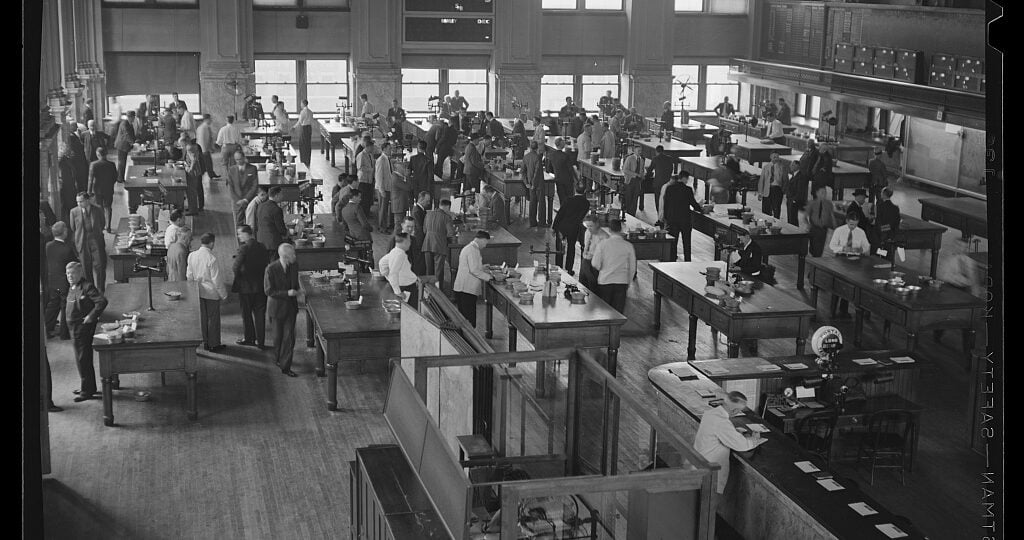
What Was the Minneapolis Grain Exchange? The Wheat Market Behind the Flour That Built the Pillsbury Mansion

Founded in 1881, the Minneapolis Grain Exchange traded the wheat behind the city's flour mills.…

CategoriesHistory JournalHistoric photograph of the Pillsbury Mansion in Minneapolis seen through bare trees, showing the limestone walls, gables and roofline described in engineering reviews
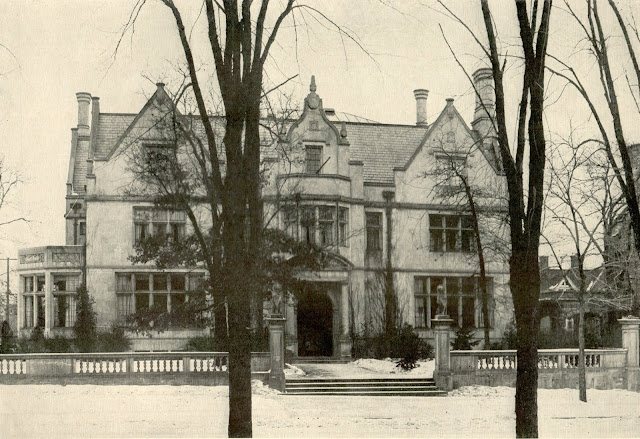
What Is Jacobethan Architecture? How to Read the Old English Style of the Pillsbury Mansion

Jacobethan revival blended Elizabethan and Jacobean England into one grand style. Here's how to spot…

CategoriesHistory JournalThe Charles S. Pillsbury Mansion, an English-style manor at 100 East 22nd Street in Minneapolis, now the Pillsbury Club
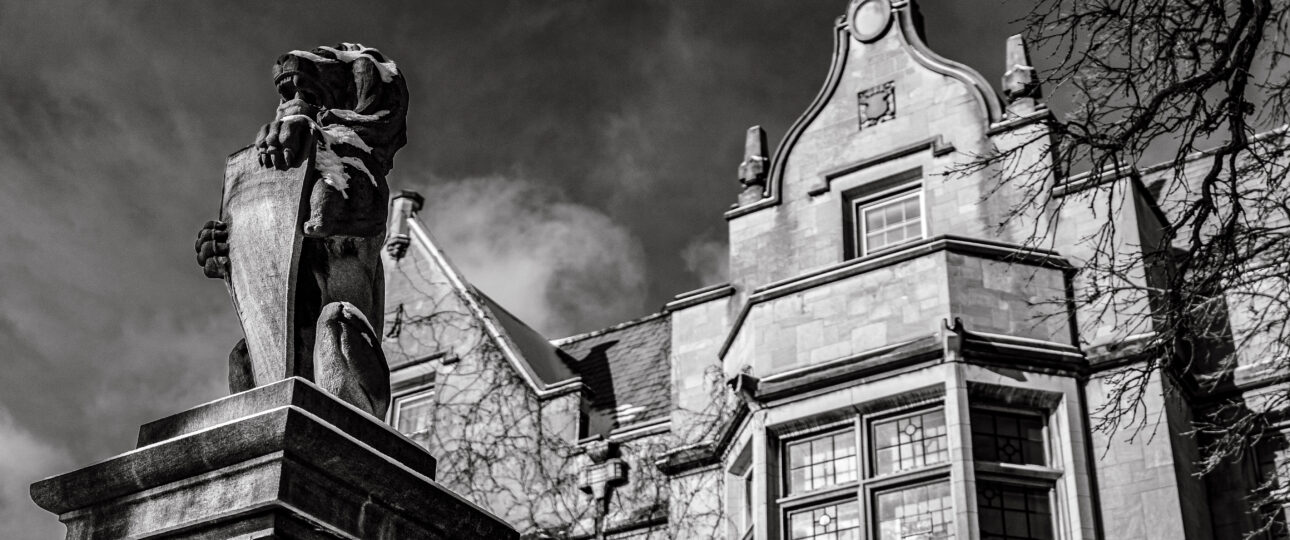
What Is the History of the Pillsbury Family and Company? From a Mill on the Mississippi to a Mansion on 22nd Street

From a New Hampshire family to the world’s largest flour mill: the Pillsbury story, and…

CategoriesHistory JournalHand-carved oak detail from the Rotherwas woodwork, restored and displayed in the Pillsbury Mansion in Minneapolis
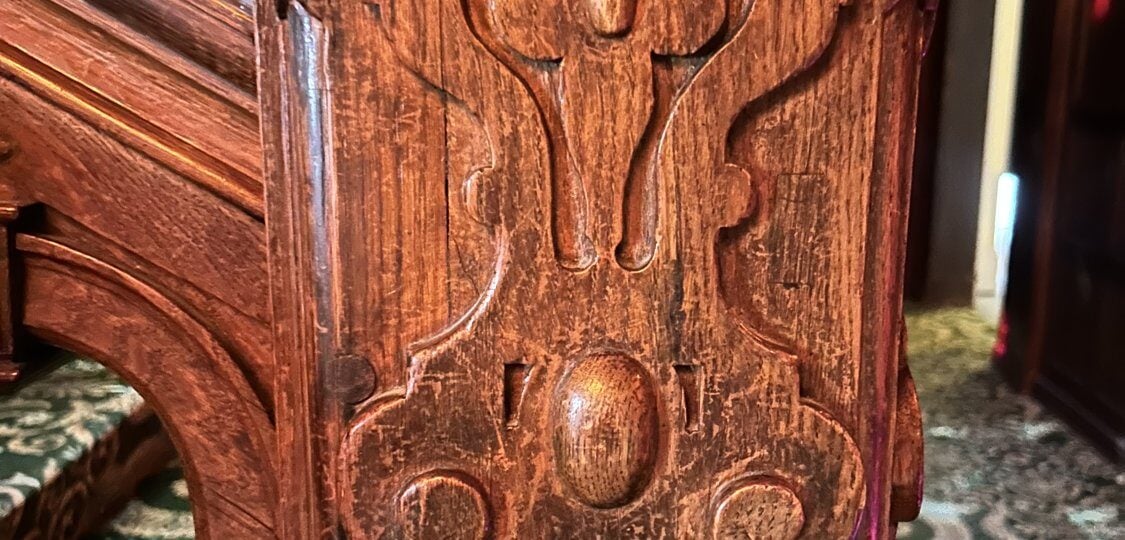
What Is the History of Rotherwas Court? From the Domesday Book to the Oak Staircase in a Minneapolis Mansion

Rotherwas Court was a Herefordshire manor held by the Bodenhams. Here is its history, and…

CategoriesHistory JournalPeriod illustration of the library at the Pillsbury Mansion in Minneapolis, the room that holds the Tallow Chandlers guild chimneypiece

What Is the History of the Tallow Chandlers’ Company? From Medieval London Candle-Makers to a Fireplace in Minneapolis

The Tallow Chandlers were a medieval London guild. Here is their history, and how their…

CategoriesHistory JournalPillsbury Hall at the University of Minnesota in 1899, the rough-faced Richardsonian Romanesque science building John S. Pillsbury paid for in 1889
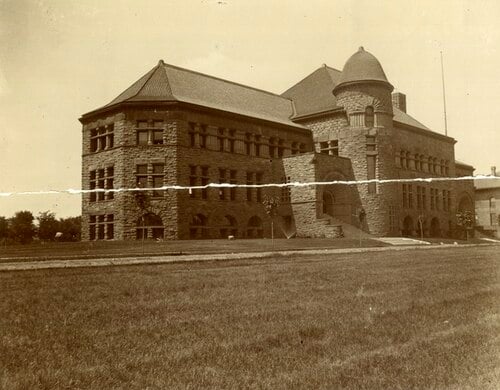
Why Did Governor John S. Pillsbury Pay for a $150,000 Hall of Science at the University of Minnesota?

John S. Pillsbury promised a $150,000 hall of science to save the University of Minnesota…

Login