
Chapter V
The Owners
A family, a seminary, a society of art patrons, an advertising agency — and a long fight against the wrecking ball.
One House, Many Lives
A Chain of Stewards
The Pillsbury Family
Charles and Nelle Pillsbury make the mansion a home and one of Minneapolis’s most famous showplaces.
Sold for a Seminary
After Charles’s death, the home of “one of Minneapolis’ most famous show places” is sold for use as a theological seminary.
The Lutheran Seminary
It serves as Northwestern Lutheran Theological Seminary — Passavant Hall — with chapel services held within its paneled rooms.
An Anonymous Rescue
An anonymous donor gives money to the Minneapolis Society of Fine Arts to preserve four vulnerable mansions across Washburn–Fair Oaks Park.
The National Register
In an unusual move, the four saved mansions are entered on the National Register of Historic Places together, as a group.
The Houses Change Hands
The Society of Fine Arts sells the Pillsbury mansion and three other landmark homes it had acquired in 1969.
Carmichael Lynch
Under Lee Lynch, the advertising agency Carmichael Lynch restores and occupies the mansion for some fifteen years.
BLIND, Inc.
BLIND, Incorporated — a Minneapolis training center for people who are blind or visually impaired — makes the mansion its home for the next three decades.
The Pillsbury Club
The house begins a new chapter — and, at last, tells its own story.
1940 – 1969
When the Mansion Became a Seminary
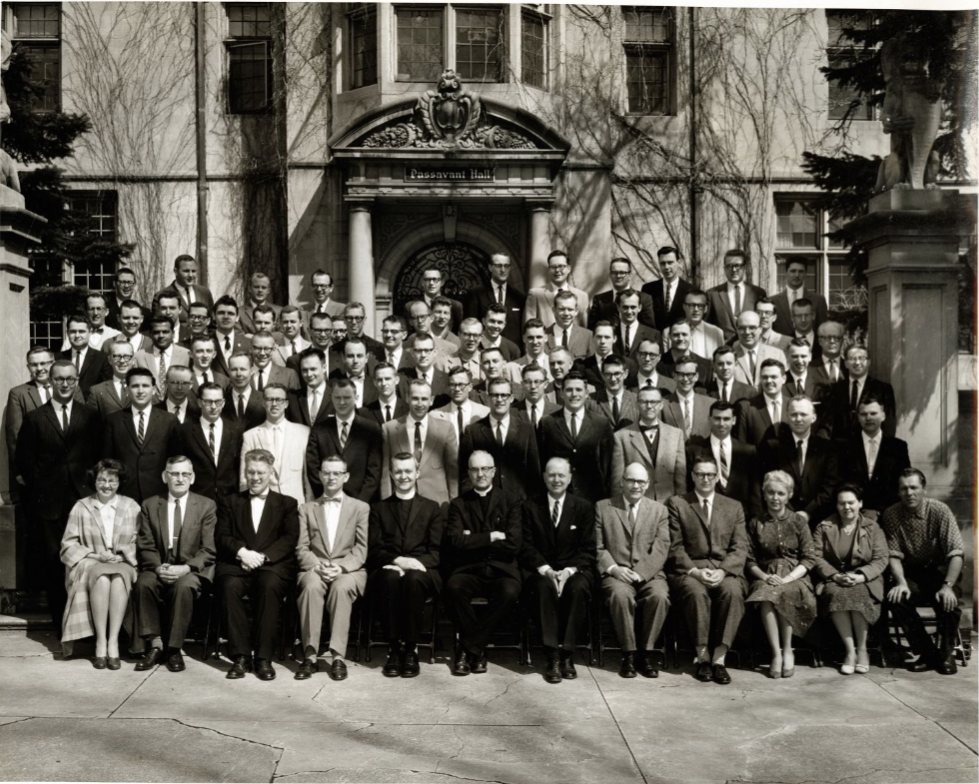
When Charles S. Pillsbury died, the great house at 100 East 22nd Street passed out of the family and into the hands of the church. Sold through the David C. Bell Investment Company in 1940, it became a theological seminary — Passavant Hall of the Northwestern Lutheran Theological Seminary — and for three decades the oak-paneled rooms that once hosted Minneapolis society instead hosted chapel services and the study of scripture.
It was a quieter era for the house, but not a harmless one. The seminarians’ caretakers looked upon the mansion’s ancient stained glass — its worldly saints and sensuous biblical scenes — and judged some of it unfit for the boys. Those panels were quietly removed. To this day, careful eyes can find the gaps they left behind.
“One of Minneapolis’ most famous show places, the home of the late Charles S. Pillsbury, 100 E. Twenty-second street, has been sold for use as a theological seminary.”
Minneapolis newspaper, March 1940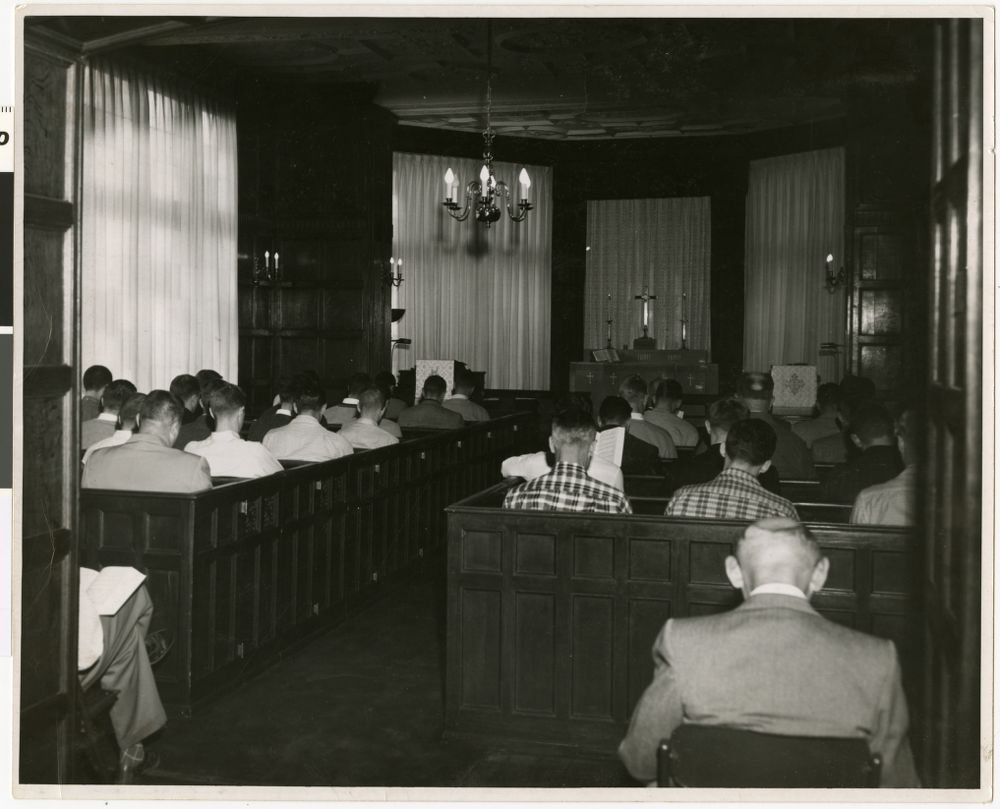
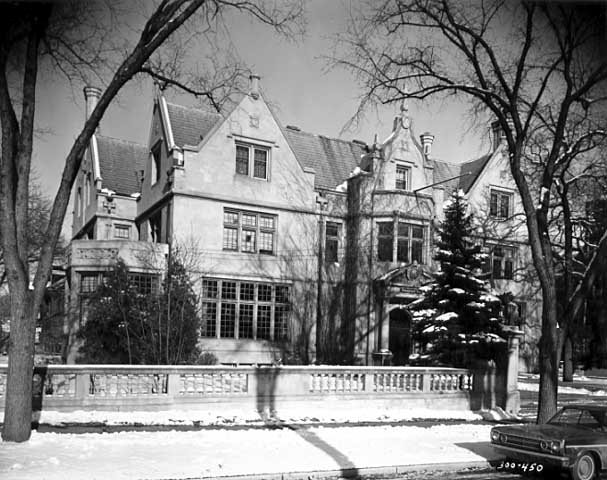

Largest of Four Saved from the Wrecker
By the late 1960s the great mansions of Minneapolis’s empire-builders were falling one after another. In 1969 an anonymous donor stepped forward, giving the Minneapolis Society of Fine Arts the means to preserve four threatened houses across Washburn–Fair Oaks Park — the Pillsbury mansion the largest among them.
In an unusual act of collective preservation, all four were entered on the National Register of Historic Places together, as a single group, in 1974. The wrecking ball that had claimed so many of their neighbors would not claim these.
1978 – 1993
The Ad Men
In 1976 the Society of Fine Arts sold the Pillsbury mansion and its three companions. The buyer who would define the house’s next fifteen years was the advertising agency Carmichael Lynch. Under Lee Lynch, the agency restored the mansion and made it their offices — a creative life within the old oak walls, keeping the building cared for and occupied through the 1980s and into the ’90s.
“Half a dozen of the stately mansions of Minneapolis’ empire builders are on the market. But at asking prices ranging from $345,000 to $1.25 million… buyers remain elusive.”
Minneapolis press, 1993A Home for BLIND, Inc.
For the next three decades, the mansion served a purpose its builders could never have imagined. BLIND, Incorporated — a Minneapolis training center helping people who are blind or visually impaired live independently — made the great house its home from 1993 to 2025.
It was a fitting steward for a building whose deepest beauty was always meant to be felt as much as seen: the hand-rubbed oak, the deep relief of the carving, the weight of five centuries in every panel.
The Vanished Avenue
The Lost Mansions of Fair Oaks
Once, this corner of Minneapolis was an avenue of palaces — the homes of the Washburns, the Eastmans, the Dunwoodys, the Morrisons, the Lowrys, and the Pillsburys themselves. One by one across the twentieth century, they fell. The years below mark each mansion’s passing. Hover to bring them briefly back to life.

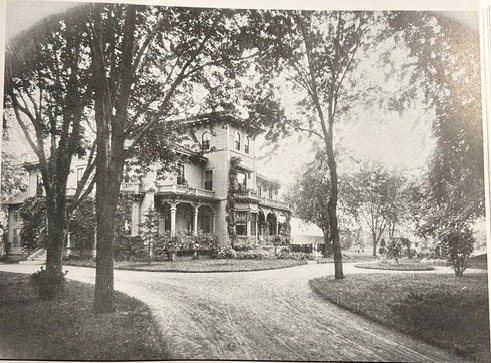
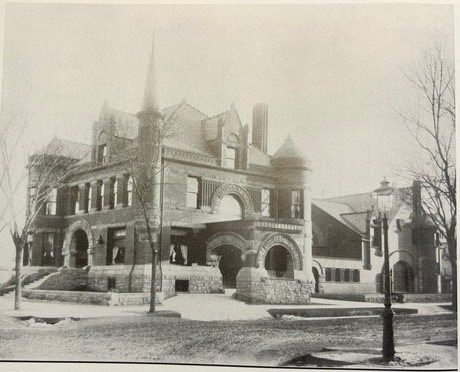
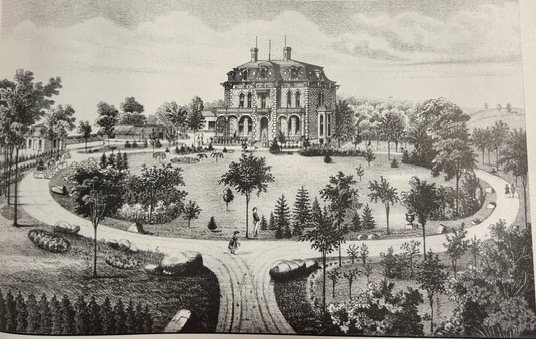
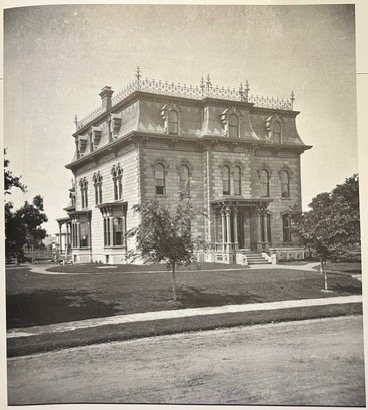
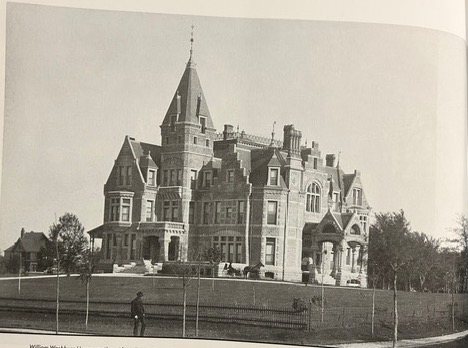
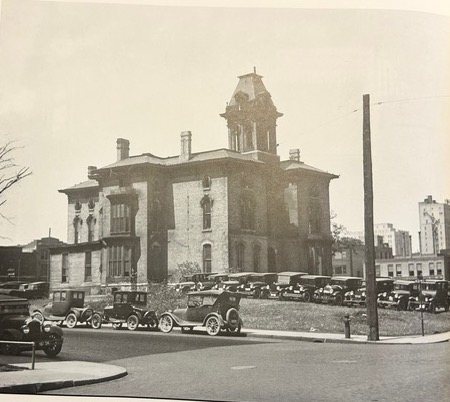
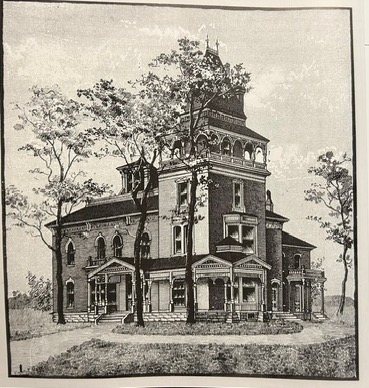
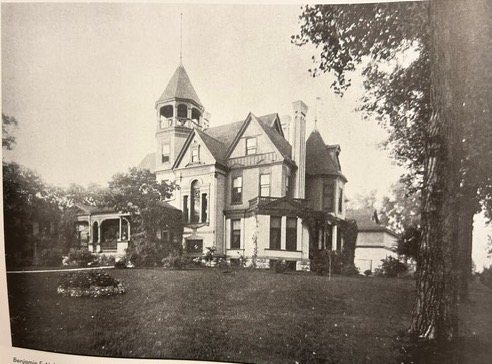
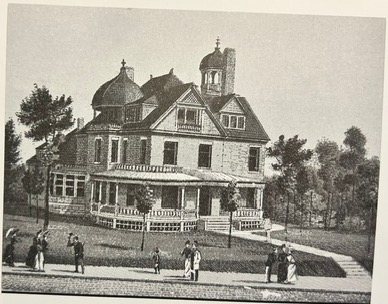
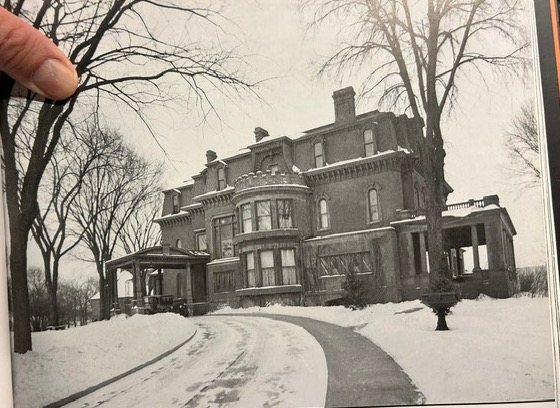
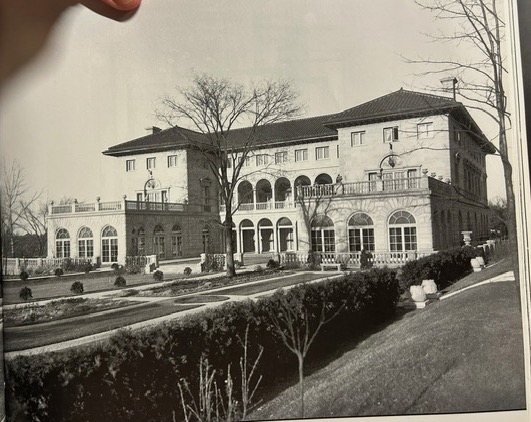
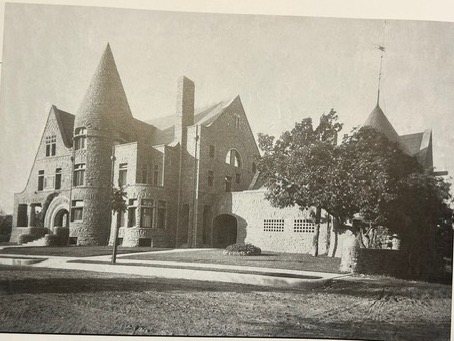
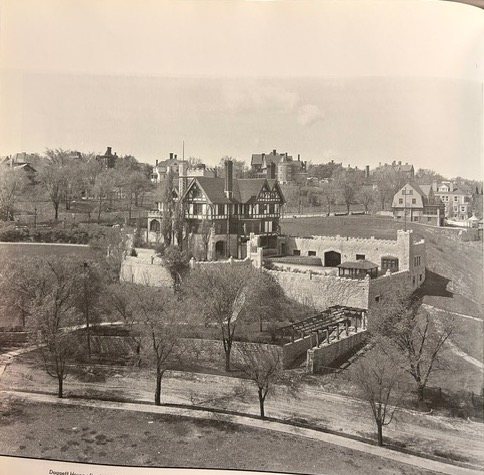
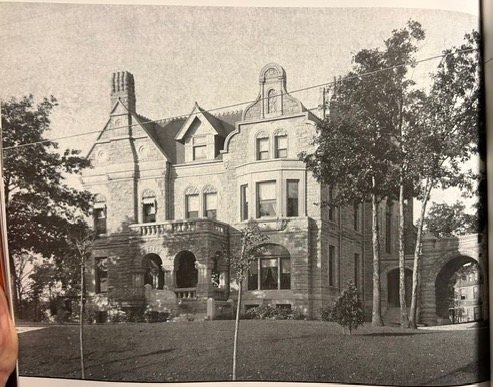
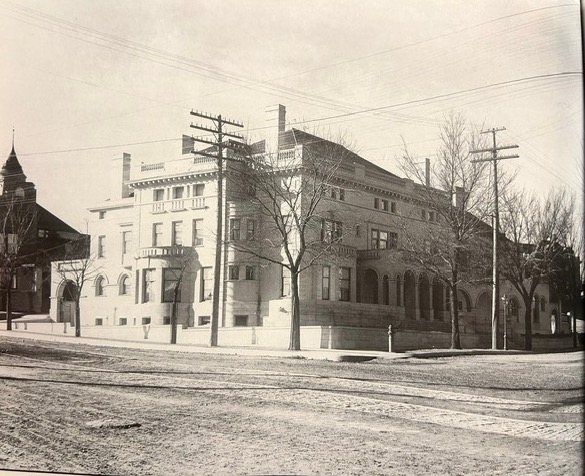
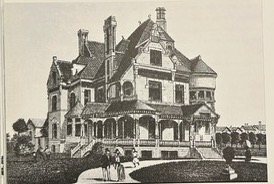
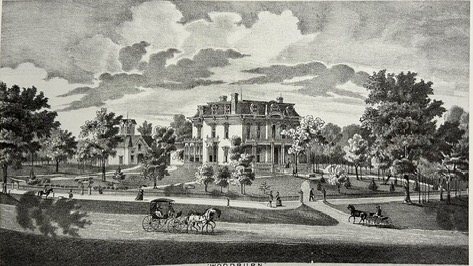
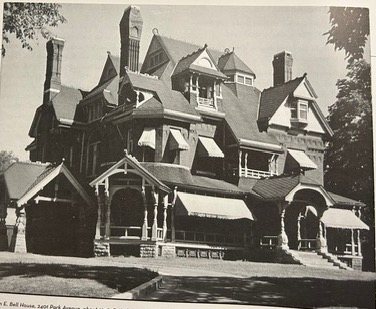
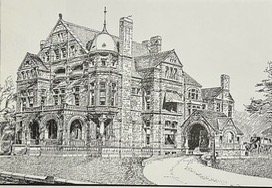
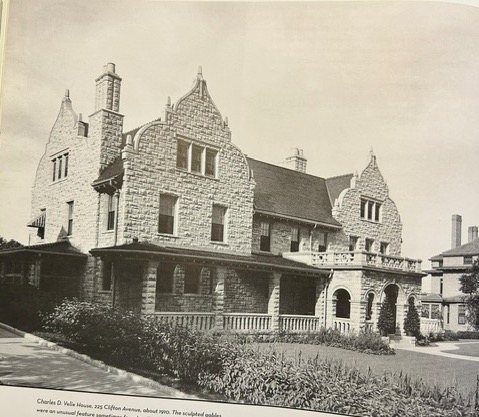
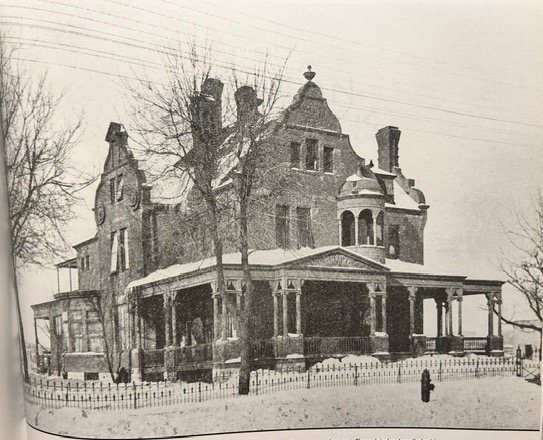
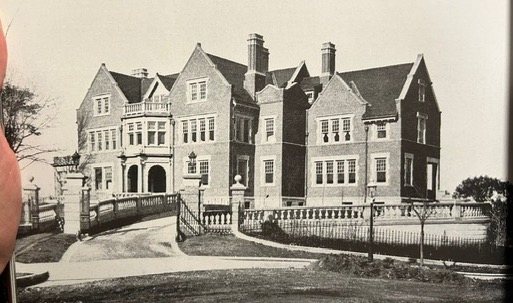
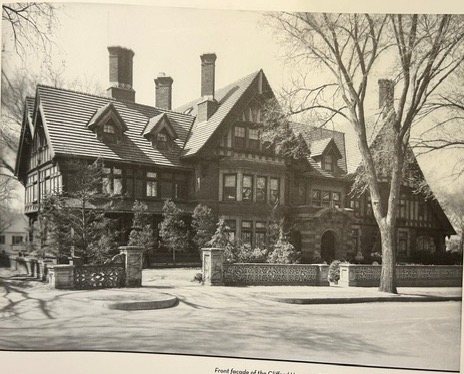
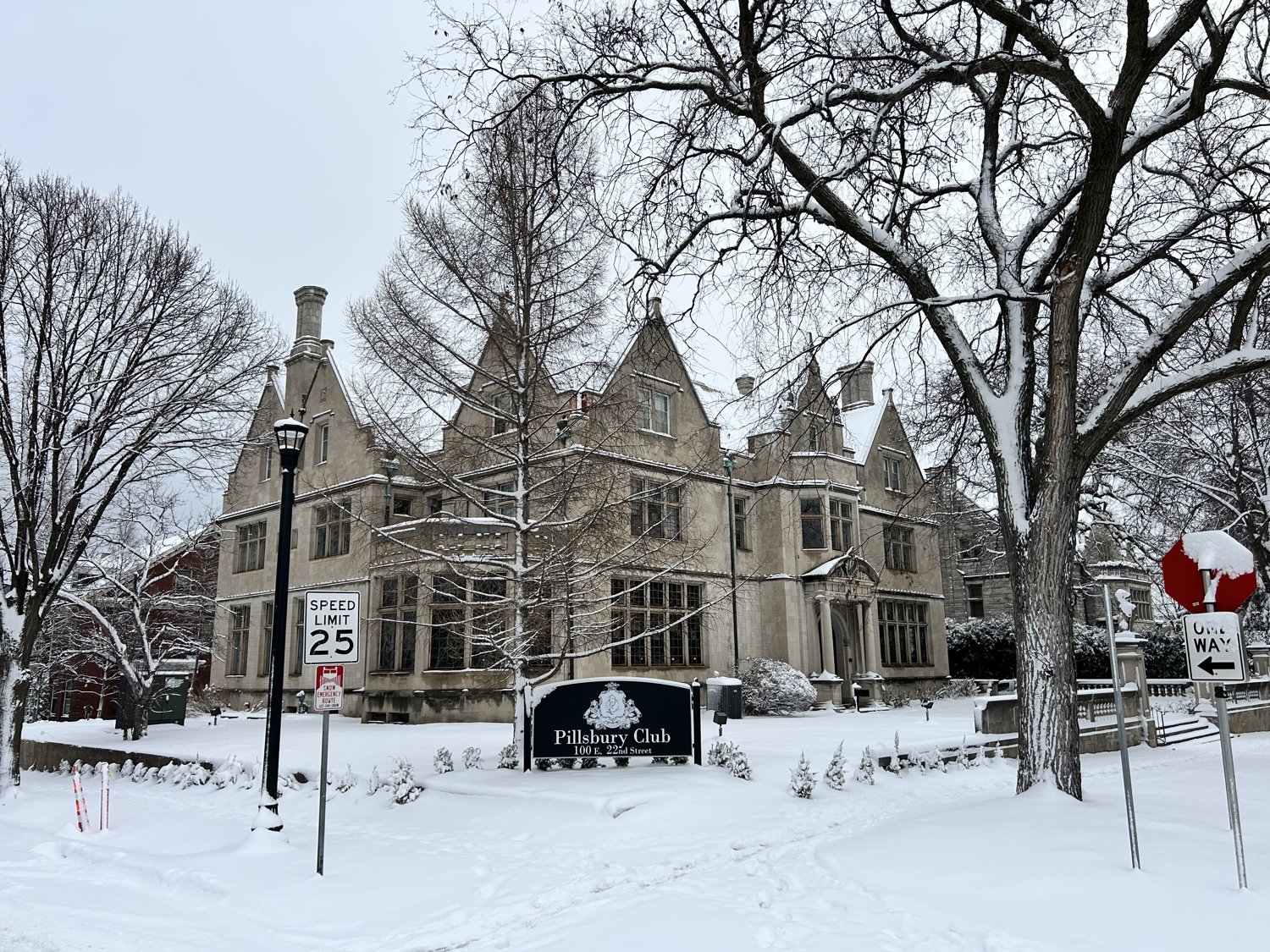
Of an entire avenue of palaces, one remains.
From a family’s dream, through faith, art, and commerce, the house has been carried across more than a century by hands that understood what they held. It survived the wrecking ball that took its neighbors. It survives still.