
How Did Charles Pillsbury Buy Back the Family Flour Company in 1924?
By 1924, the most famous flour name in Minneapolis had not belonged to the Pillsbury family for thirty-five years. It belonged to London.
The story of how it came home is the least-told chapter in this house’s history — and arguably the most consequential. The man who did it was Charles Stinson Pillsbury, and the mansion at 100 East 22nd Street was already eight years old when he did it.
How the family lost the company in the first place
Charles Alfred Pillsbury founded the Pillsbury Company in 1869 and kept it in family hands for two decades. In 1889 it was sold to an English syndicate — a spectacular deal at the time, and one that made a great many people wealthy. For the next thirty-five years, the Minneapolis mills that carried the family name were owned, on paper, by investors an ocean away. We have told that part of the story separately.
What the arrangement did not survive was the twentieth century. The milling industry consolidated, wheat markets convulsed after the First World War, and by the early 1920s the English holding company was in serious trouble.
What Charles actually did in 1924
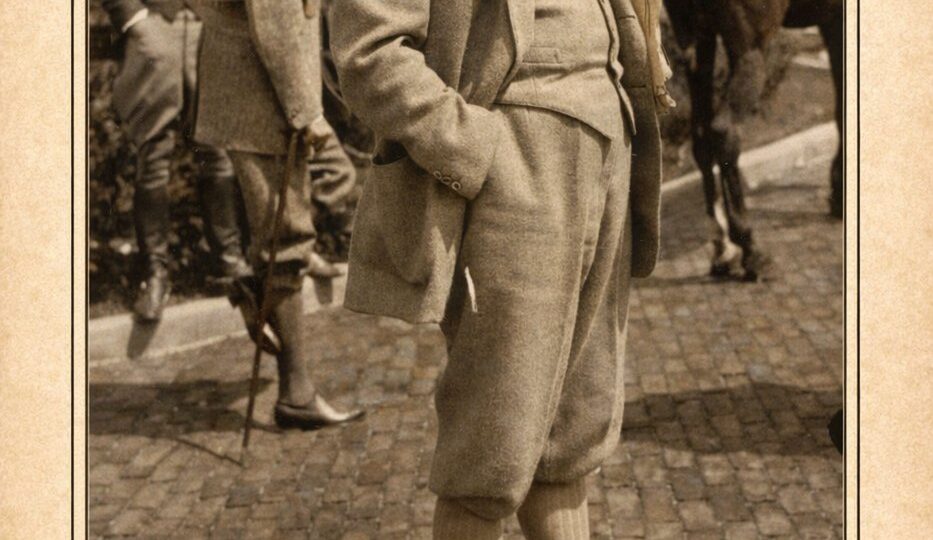
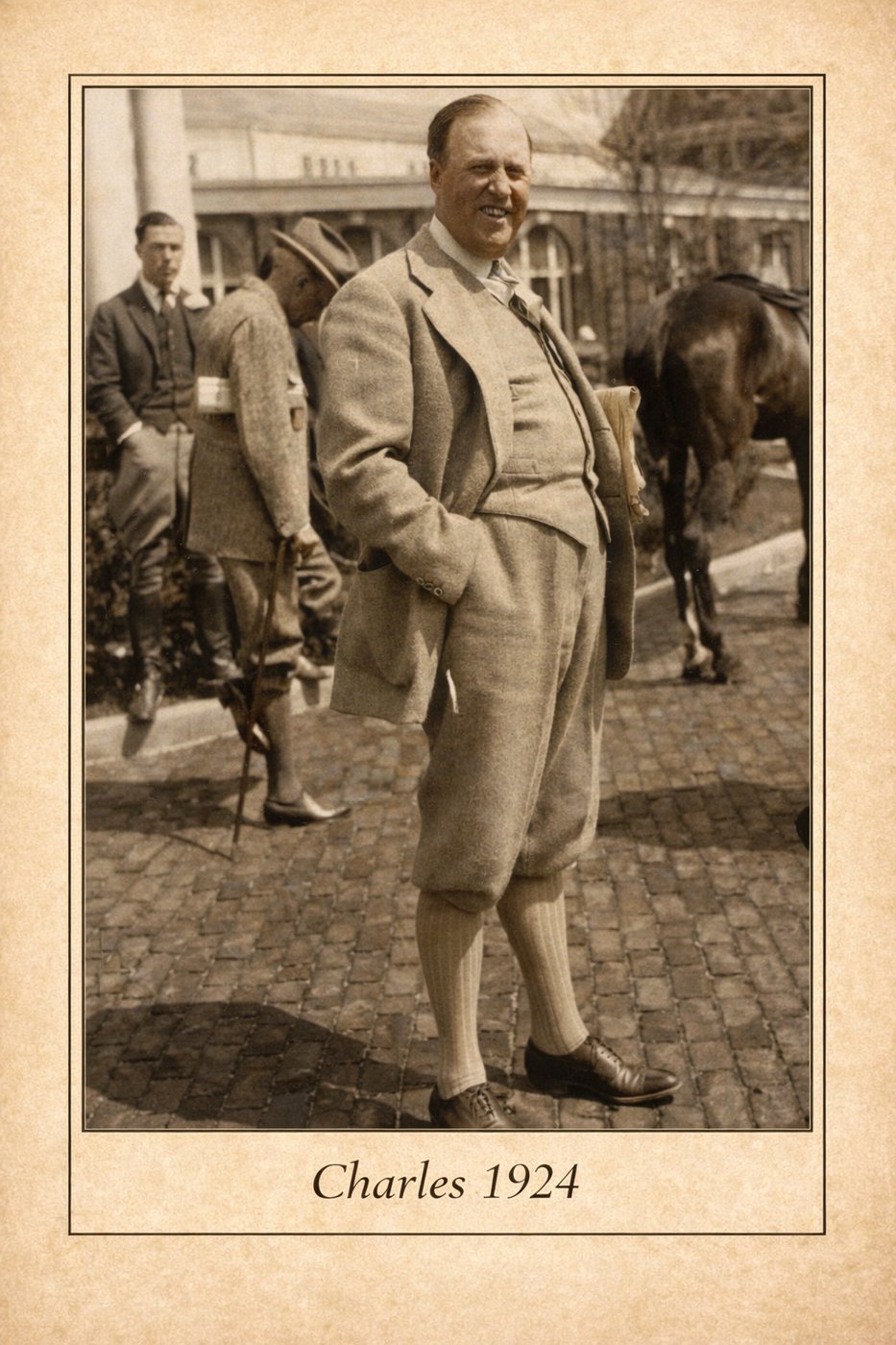
He bought it back. With his own capital, Charles Stinson Pillsbury repurchased the Pillsbury company from its English owners and pulled it back from the edge of bankruptcy. It was not a symbolic gesture or a family sentiment dressed up as business — the firm was genuinely failing, and the purchase was a substantial personal risk taken by a man who did not need to take it.
Charles built this house, and he built something larger still: he saved the family company.
The Pillsbury Family, Pillsbury Club archives
The house on East 22nd Street is usually read as the product of the flour fortune. In 1924 the relationship briefly ran the other way: the fortune that had built the mansion was spent to rescue the company that had made it.
What he did with it afterwards mattered more
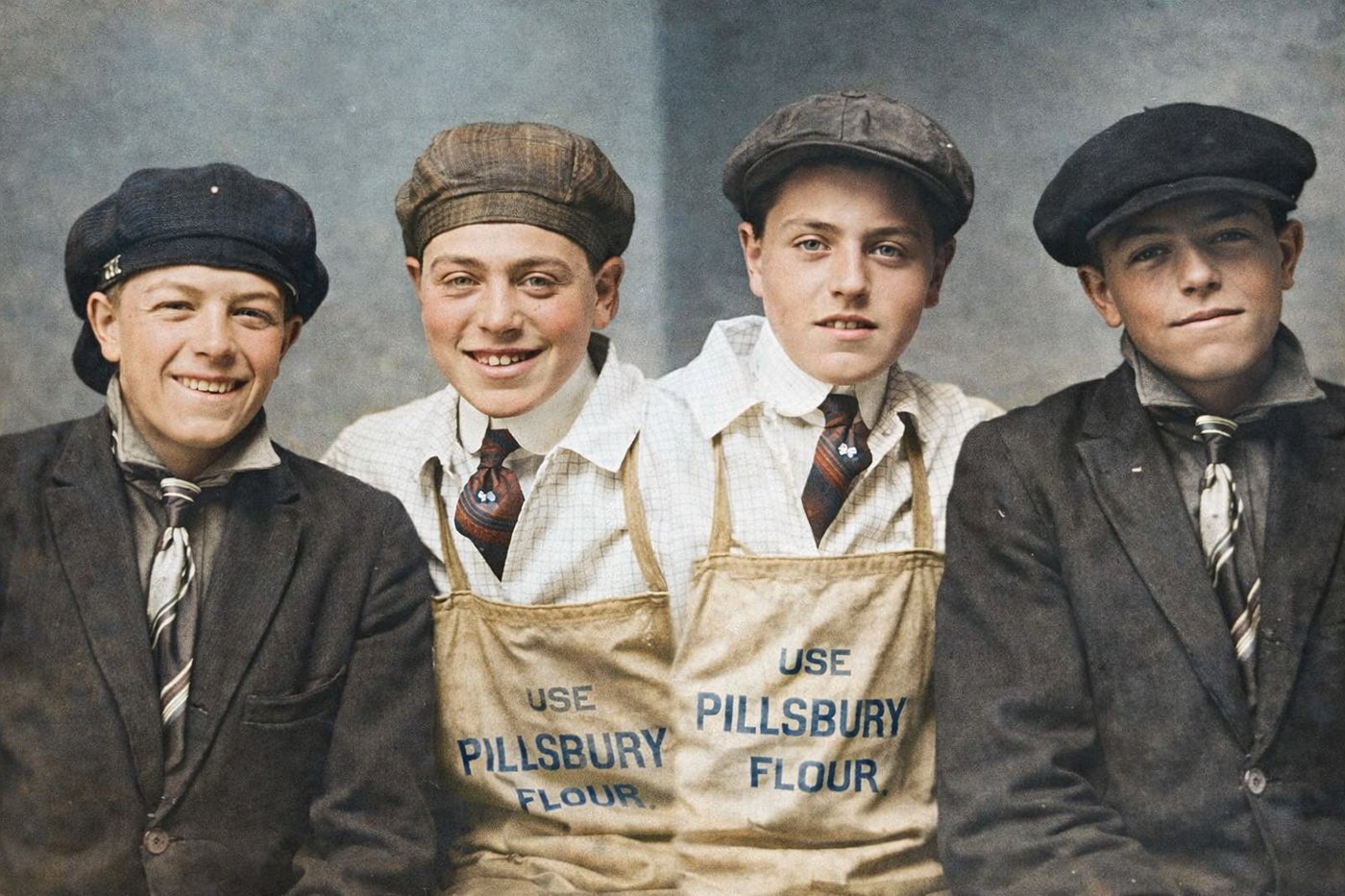
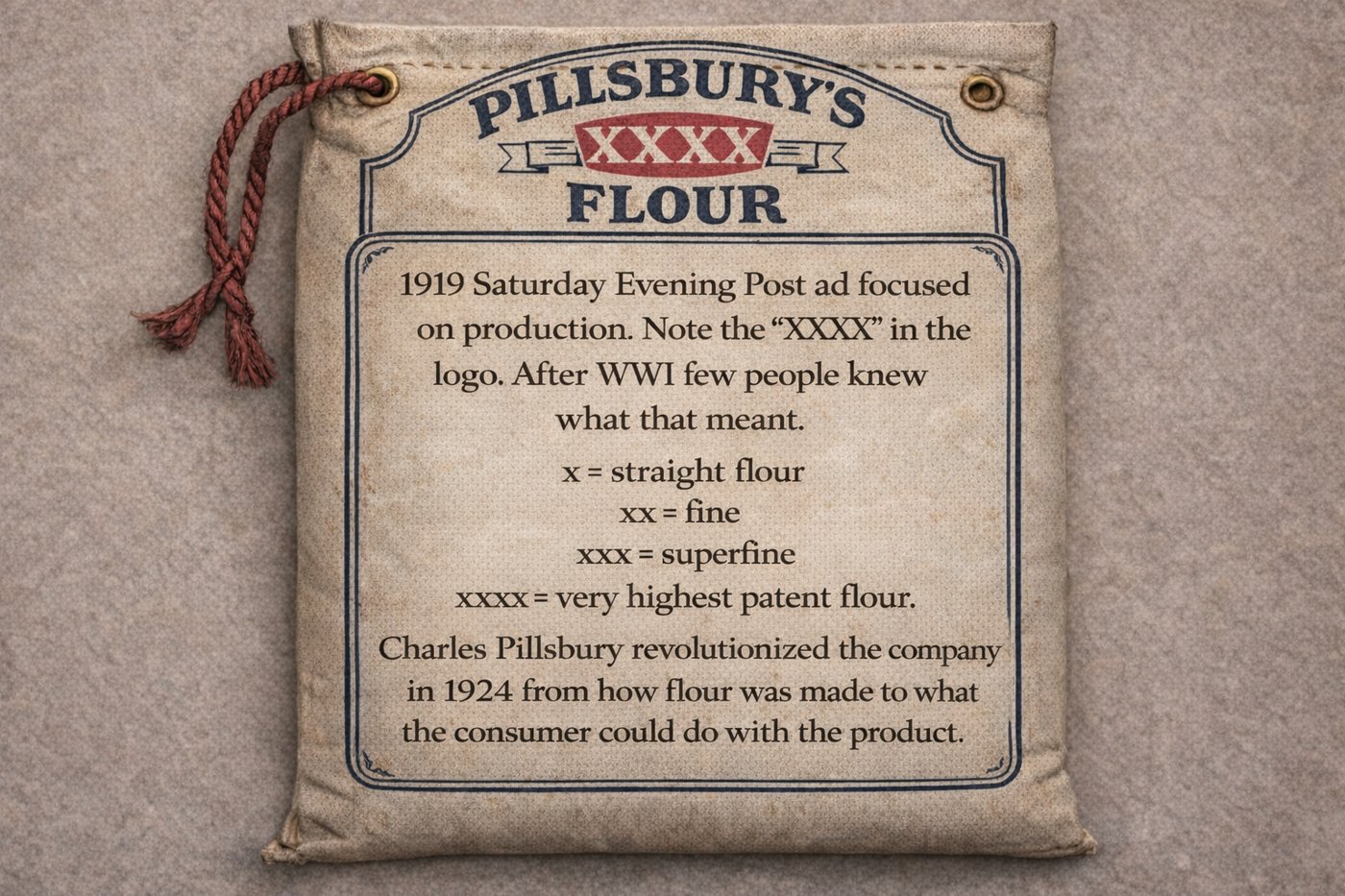
Buying the company back saved a name. What Charles did next changed an industry. He rebuilt Pillsbury around a very modern idea — that you do not sell flour, you sell what people make with it.
That thinking produced national bake-offs, radio cooking programmes, recipe-led advertising, and a single coherent brand identity at a time when most millers were still selling a commodity in a sack. The Bake-Off, launched in 1949, was the most visible product of that strategy and the sharpest weapon in a rivalry that defined American food marketing for decades.
The wider arc — the milling boom that made Minneapolis the flour capital of the world, and where the company finally ended up — is told at the Mill City Museum on the riverfront, and in our own account of what became of the Pillsbury Company.
Why 1924 shows up in this house
Walk the mansion and you are mostly looking at things bought before 1916 — the Rotherwas oak, the Tudor ceilings, the fireplaces, the cathedral glass that Charles of London assembled for a man at the height of his confidence. Read about those on The Splendors and Charles of London.
1924 is the year that confidence was tested. The house did not change, but the man in it did — from an heir who had commissioned an English manor for Minneapolis into the person who kept the enterprise behind it alive. Everything the family did afterwards, including Mary Pillsbury Lord’s work at the United Nations, sits on that foundation.
See the house the flour built
The Charles S. Pillsbury Mansion still stands at 100 East 22nd Street, the last of an avenue of palaces, and it is open for guided tours year-round as the Pillsbury Club. Details and booking are on Experiences & Tours, and hours are on Plan Your Visit. Newspaper coverage from these years is searchable through the Minnesota Historical Society.
Keep reading: Was Pillsbury Ever a British Company? and What Happened to the Pillsbury Company?
Keep reading: Where Can You Get a Cocktail Inside a Historic Minneapolis Mansion?