
What Do the Four X’s on Pillsbury’s Best Flour Mean?
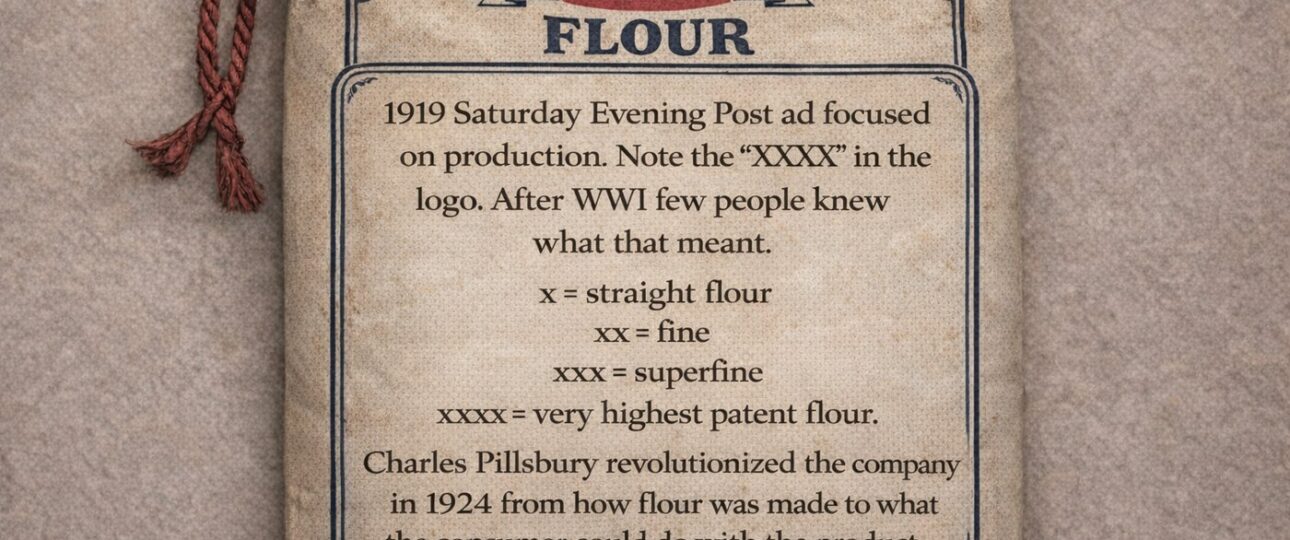
Study any early sack of Pillsbury’s Best and you’ll find four bold X’s stamped beneath the name. They are not Roman numerals. They are not a printer’s flourish. They are a boast — one of the oldest and most audacious in American branding — and every barrel of flour that left Minneapolis wearing that mark helped pay, in time, for the English manor on East 22nd Street we now call the Pillsbury Club.
A Secret Code on the Barrelhead
Long before nutrition labels, millers had their own shorthand. Grades of flour were marked with X’s — a single X for an ordinary grind, and three X’s, by a convention that reaches back to medieval Europe, for the very finest a mill could produce. In an age when many customers could not read, anyone could count. Three X’s on the barrelhead meant: this is the best there is.
Which is precisely what made what happened in Minneapolis in 1872 so deliciously cheeky.
The Fourth X Was a Dare
Charles Alfred Pillsbury arrived in Minneapolis in 1869, not yet thirty — a Dartmouth graduate who had spent six years clerking in Montreal, watching western grain move through that city’s warehouses. At the urging of his uncle, John S. Pillsbury, he bought a stake in a rundown mill at St. Anthony Falls. By most accounts the experienced millers of the district thought the young man had overpaid for a relic.
Charles studied the trade obsessively. Out went the old grinding stones; in came the newest methods — the middlings purifier and, later, steel rollers — that turned the Northwest’s hard spring wheat from a liability into the finest bread flour in the world. In 1872 he persuaded his father, George A., and his uncle John to join him in founding C.A. Pillsbury & Co. And that same year he registered a trademark that said everything in a single stroke: if three X’s meant the best flour any mill could make, his sacks would carry four.
Better than everyone else’s best. It was outrageous. It was also, as the Hennepin History Museum notes, one of the cleverest marketing strokes of the age — a claim any wheat farmer, grocer, or homemaker could read at a glance.
Backing Up the Boast
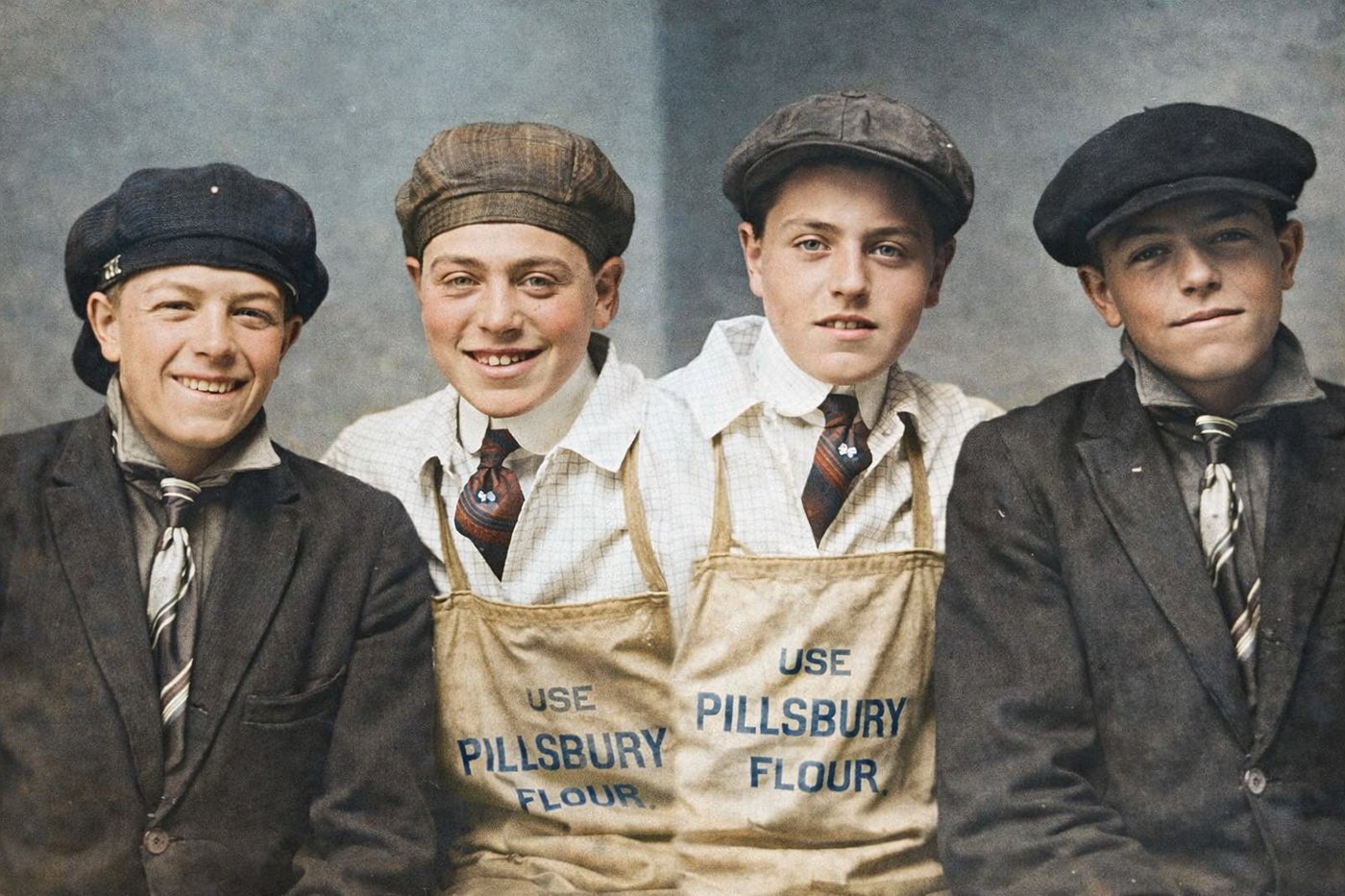
A fourth X is only ink unless the flour delivers, and Charles seems to have understood that a boast is a debt. The company bought and rebuilt mill after mill, and by 1881 its masterpiece was rising at the falls: the Pillsbury A Mill, the largest flour mill on earth, breaking world records for barrels produced in a single day.
He backed the promise inside the mill walls, too. Charles launched one of the first employee profit-sharing plans in the United States — roughly $150,000 shared with workers in its first decade, in an era when a year’s wages might total $200. Not a single strike ever stopped the Pillsbury mills in his lifetime.
Even when an English syndicate bought the company in 1889, the buyers kept two things they dared not touch: Charles himself, who stayed on as managing director until his death in 1899 — and the four X’s on every sack.
The Mark That Outlived the Man
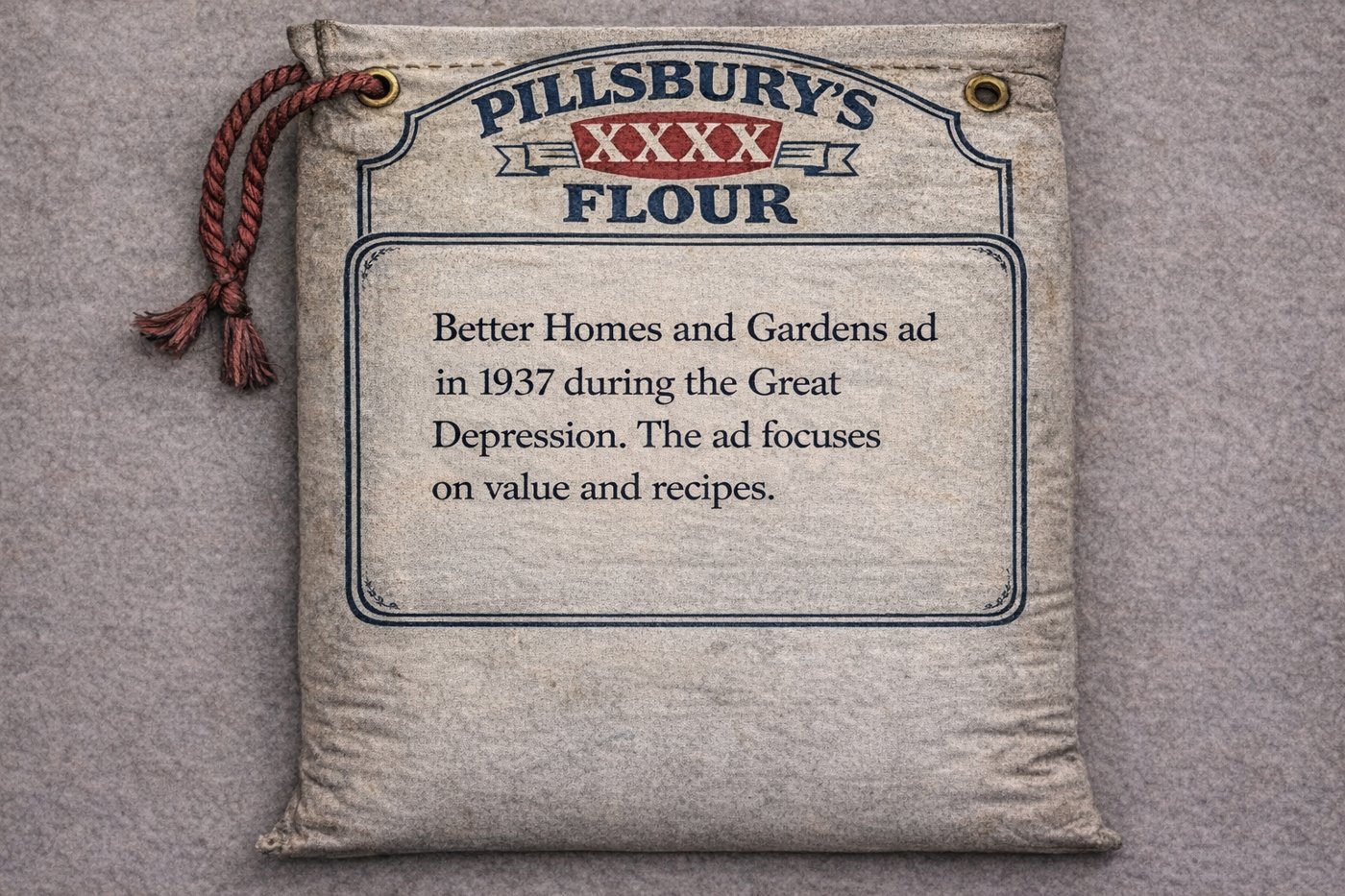
The four X’s turned out to be the company’s founding personality, not just its logo. The same instinct — make the claim, then make it true — runs straight through the company’s whole story: the Bake-Off invented to out-charm Betty Crocker, and eventually a giggling Doughboy who made the family name a friend in every kitchen. Through the London years, the buyback, and the 2001 purchase by General Mills — once the great rival across the falls — the sacks on the shelf still say Best.
And the fortune that grew from that fourth X built houses. One of them — the Elizabethan manor Charles’s son Charles Stinson Pillsbury raised in 1916, with its centuries-old English oak and storied fireplaces — still stands at 100 East 22nd Street.
Come Count the X’s Yourself
The barrelheads are long gone, but you can stand inside what they paid for. Join a Minneapolis Trolley Tour — the trolley launches right from the Pillsbury Club — or make a weekend of the city’s mansion district with a stay at the historic 300 Clifton bed & breakfast nearby. The flour is history; the house it built is very much alive.