
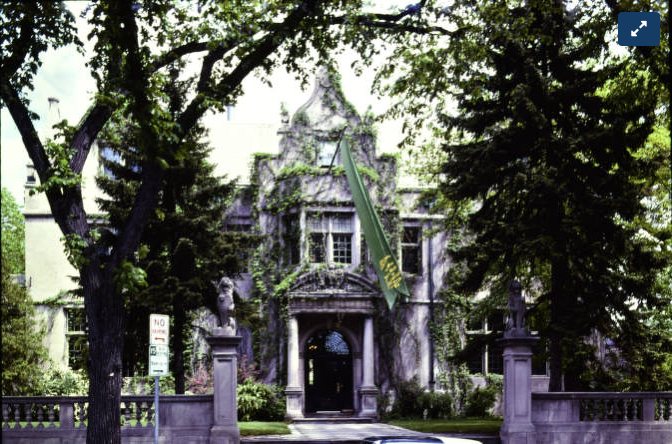
Why Did a Training Center for the Blind Call the Pillsbury Mansion Home?
Most of the Pillsbury Mansion’s stories are about people who came to see it — the carved Rotherwas oak, the cathedral glass, the staircase King James I once climbed. But for three decades, the great house at 100 East 22nd Street belonged to people who experienced its beauty in an entirely different way. From 1994 until early 2024, the mansion was home to BLIND, Incorporated, a Minneapolis training center where students learned to live fully and independently without sight. It may be the most fitting chapter in the whole long life of the house.
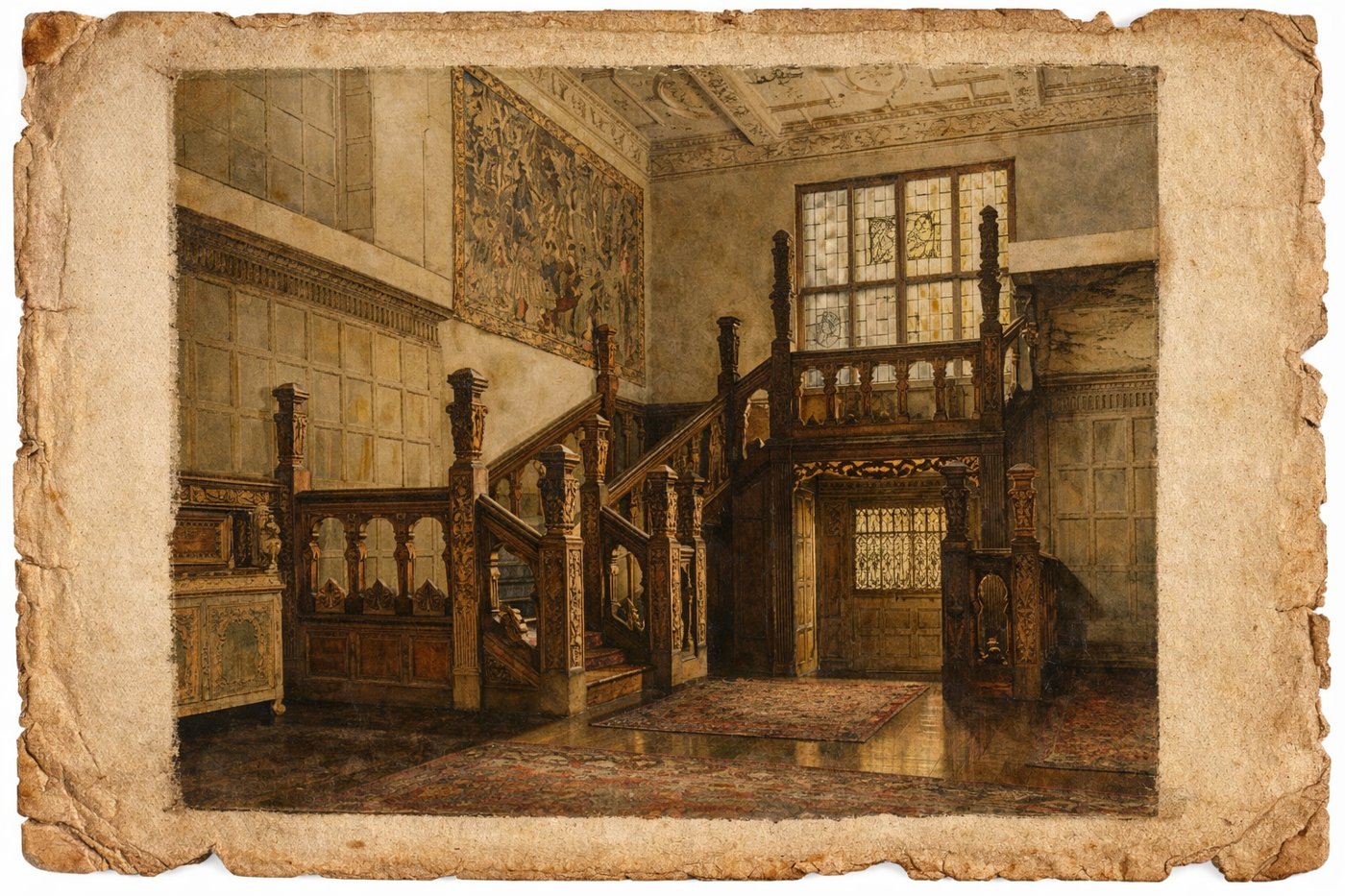
A house meant to be felt
Charles S. Pillsbury filled his 1916 home with English interiors that were never only about how they looked. The centuries-old oak rooms Charles of London shipped from Rotherwas Court were carved in deep relief — saints, hounds, vines, and heraldry you can trace with a fingertip. The newel posts still carry the scorch marks of an old fire. The paneling has the weight and grain of five hundred years. This was a house whose deepest beauty was always meant to be felt as much as seen, which is exactly what made it an extraordinary home for a school built on touch, sound, and independence.
What BLIND, Inc. actually did
BLIND, Inc. — the letters stand for “Blindness: Learning In New Dimensions” — was founded in Minneapolis in the late 1980s and named by Joyce Scanlan, then president of the National Federation of the Blind of Minnesota. In December 1993 the NFB of Minnesota and BLIND, Inc. jointly purchased the former Pillsbury mansion, and the staff and students moved in the following spring.
The training center taught the practical skills of independence: reading and writing Braille, traveling confidently with a long white cane, cooking, and managing a household. Like its sister centers in Louisiana and Colorado, BLIND, Inc. used a method called Structured Discovery — students with any remaining vision wore lightweight blindfolds called sleepshades, so they could master nonvisual techniques and trust them completely. The center also ran summer programs for young people, including the Buddy Program for elementary-age children and Life 101 for high-schoolers. You can read the full story in the National Federation of the Blind’s own account, fittingly titled “The House That Flour Built.”
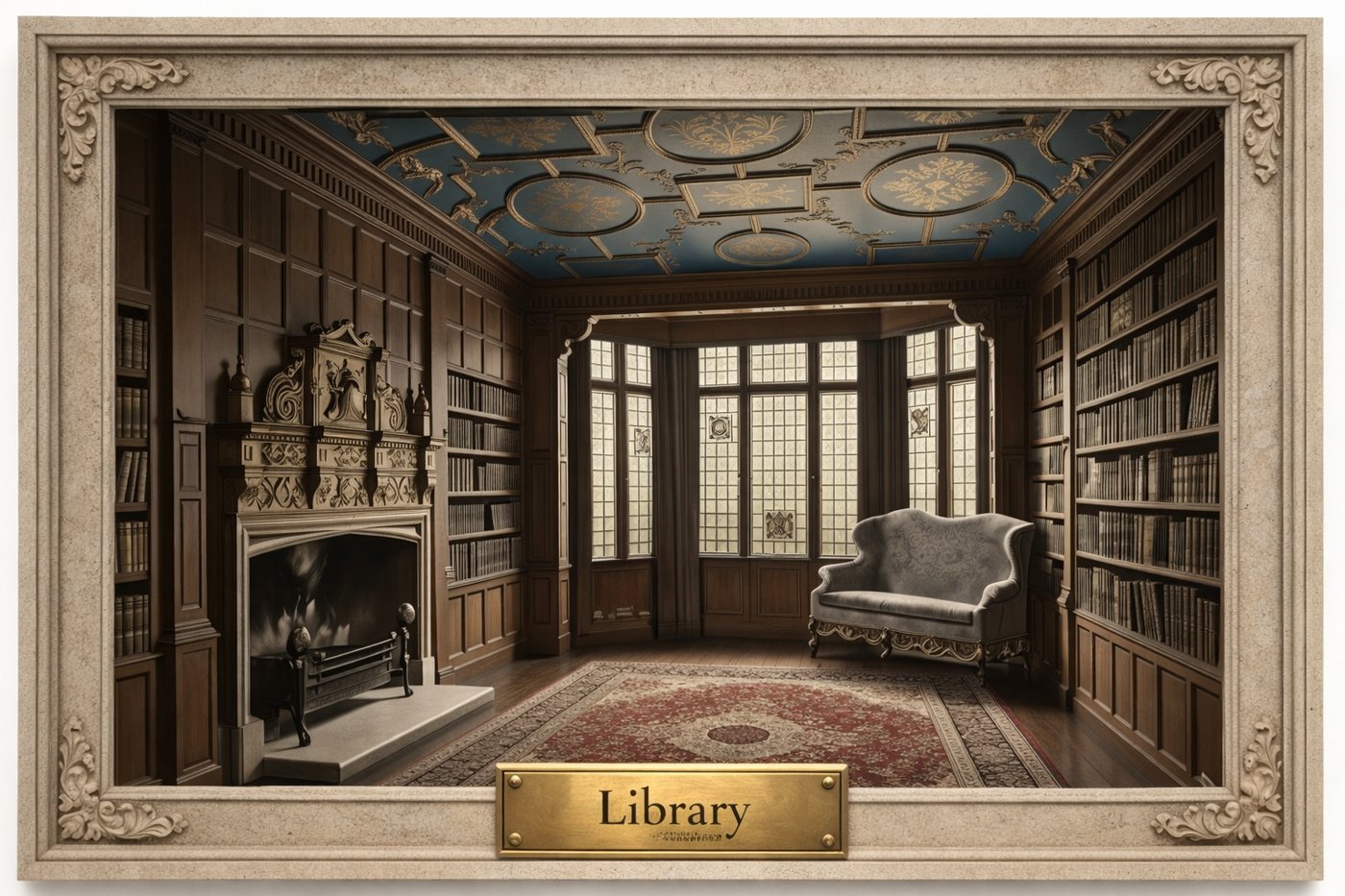
Fitting a modern school into a 1916 mansion
Turning a showplace into a working school took grants from State Services for the Blind and several private foundations — and a great deal of ingenuity. As the NFB of Minnesota’s 1995 account of the move describes, the largest project was adding an elevator. The mansion is built so solidly — concrete and steel, with floors a full eighteen inches thick — that the elevator couldn’t be threaded through the interior without harming the historic fabric. So it was built onto the outside of the house, essentially a new room of its own. The grand opening came on October 14, 1994, when NFB national president Marc Maurer dedicated the building before some 300 guests.
For thirty years, the oak-paneled rooms that once hosted Minneapolis society instead hosted cane-travel lessons and Braille classes — a purpose the original owners could never have imagined, and a worthy one. It was a quieter, more grounded life for the house than the advertising agency years that came just before, and a gentler one than its decades as a Lutheran seminary before that.
The end of an era — and a new chapter
By the 2020s, the very thing that made the mansion remarkable also made it a burden. Preserving a century-old landmark to historic standards required millions of dollars in renovation — money a nonprofit training center couldn’t spend while still delivering quality instruction. BLIND, Inc. suspended its programs at the start of 2024, a difficult decision reported at the time by Access Press. The work of teaching independence to blind Minnesotans continues through the wider community of the National Federation of the Blind; the mansion, meanwhile, began its newest life as the Pillsbury Club in 2025.
If you visit today, run your hand along that Rotherwas oak before you do anything else. For thirty years it belonged to people who knew this house best by touch — and they understood something about it that the rest of us are only invited to feel.
Come feel five centuries of history
The Pillsbury Club opens its carved oak rooms for tours and gatherings year-round, and it’s the downtown launch point for Minneapolis Trolley Tours. Curious how the mansion came to hold so many imported treasures in the first place? Meet the families and stewards who have called it home, or step inside the story of how the house was built. Come see — and feel — it for yourself.
Keep reading: One of the mansion’s most expensive treasures came with a scandal attached — did the Pillsburys end up with William Randolph Hearst’s $50,000 fireplace by mistake?