What Is the History of the Pillsbury Family and Company? From a Mill on the Mississippi to a Mansion on 22nd Street
The Pillsbury name is on flour sacks, cake mixes and a famous mill, but the family story begins with a few relatives and a waterfall. Here is a short history of the Pillsbury family and company, and how that fortune built the English-style mansion at 100 East 22nd Street in Minneapolis.
How did the Pillsbury family come to Minneapolis?
Charles Alfred Pillsbury was born in 1842 in Warner, New Hampshire, and graduated from Dartmouth College in 1863. After six years in business in Montreal, he moved to Minneapolis in 1869. His uncle, John S. Pillsbury, had settled at the Falls of St. Anthony in 1855. At the time, only a few small flour mills drew power from the falls and ground grain with large millstones. Charles took part-ownership of a mill and set out to study the craft. In 1872 he persuaded his father, George A. Pillsbury, and his uncle to join him, and the firm of Charles A. Pillsbury & Co. was born. (Details here come from Wikipedia’s biography of Charles A. Pillsbury; our own account is in Who Was Charles A. Pillsbury?.)

What made Pillsbury flour different?
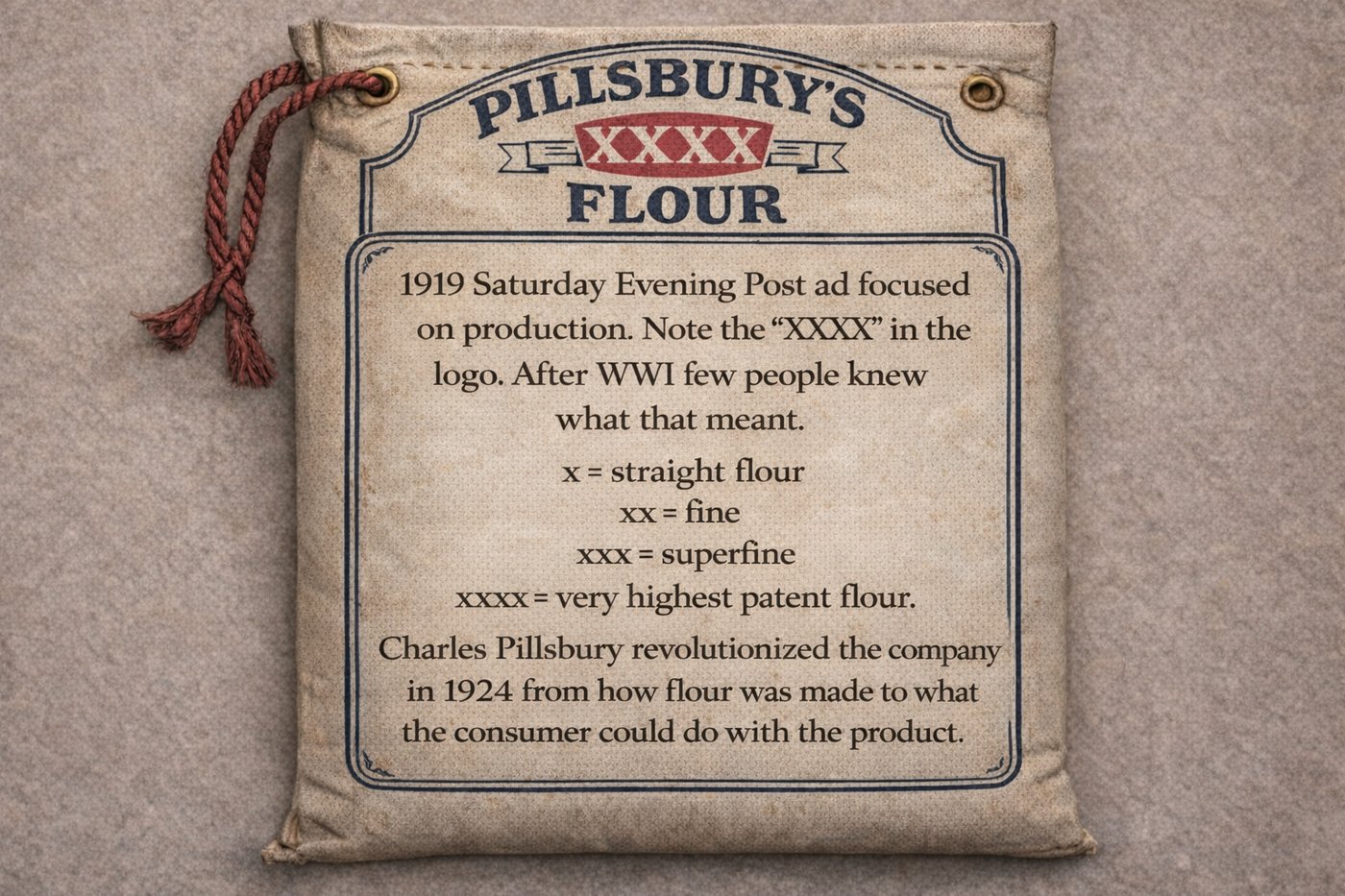
Pillsbury competed with other Minneapolis millers, including Washburn and the Christian brothers, in making “new process” flour. A series of carefully gauged steel rolls replaced millstones and produced a finer, whiter flour more efficiently. The method also created demand for hard spring wheat, which had been less prized than southern winter wheat, and so changed what Midwestern farmers grew. The company’s brand, Pillsbury’s Best, was marketed as the finest flour in the world.
The A Mill, once the largest flour mill in the world
In 1881 the company completed the Pillsbury A Mill, designed by LeRoy Buffington on the east bank of the Mississippi. It was the largest flour mill in the world for about 40 years and ran on two powerful direct-drive waterwheels. The mill is a National Historic Landmark, and you can read its story in Wikipedia’s A-Mill entry and in our post How Big Was the Pillsbury A Mill?. The Mill City Museum, in the old Washburn A Mill, tells the wider story of milling on the river.
John S. Pillsbury and the next generation
Uncle John served as governor of Minnesota and is remembered as a benefactor of the University of Minnesota. Learn more in Who Was John S. Pillsbury?. Charles A. died in 1899. The company then spent 34 years under English ownership before his son, Charles Stinson Pillsbury, bought it back in 1924 with his own capital, a story told in Was Pillsbury Ever a British Company? and How Did Charles Pillsbury Buy Back the Family Flour Company in 1924?.
How does all of this connect to the mansion?
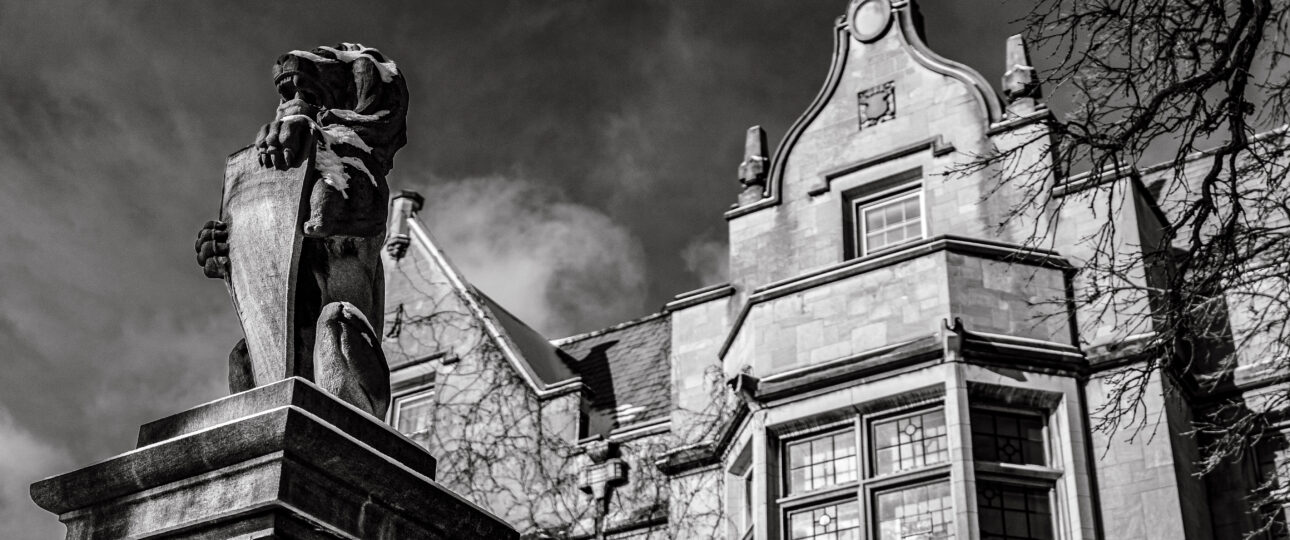
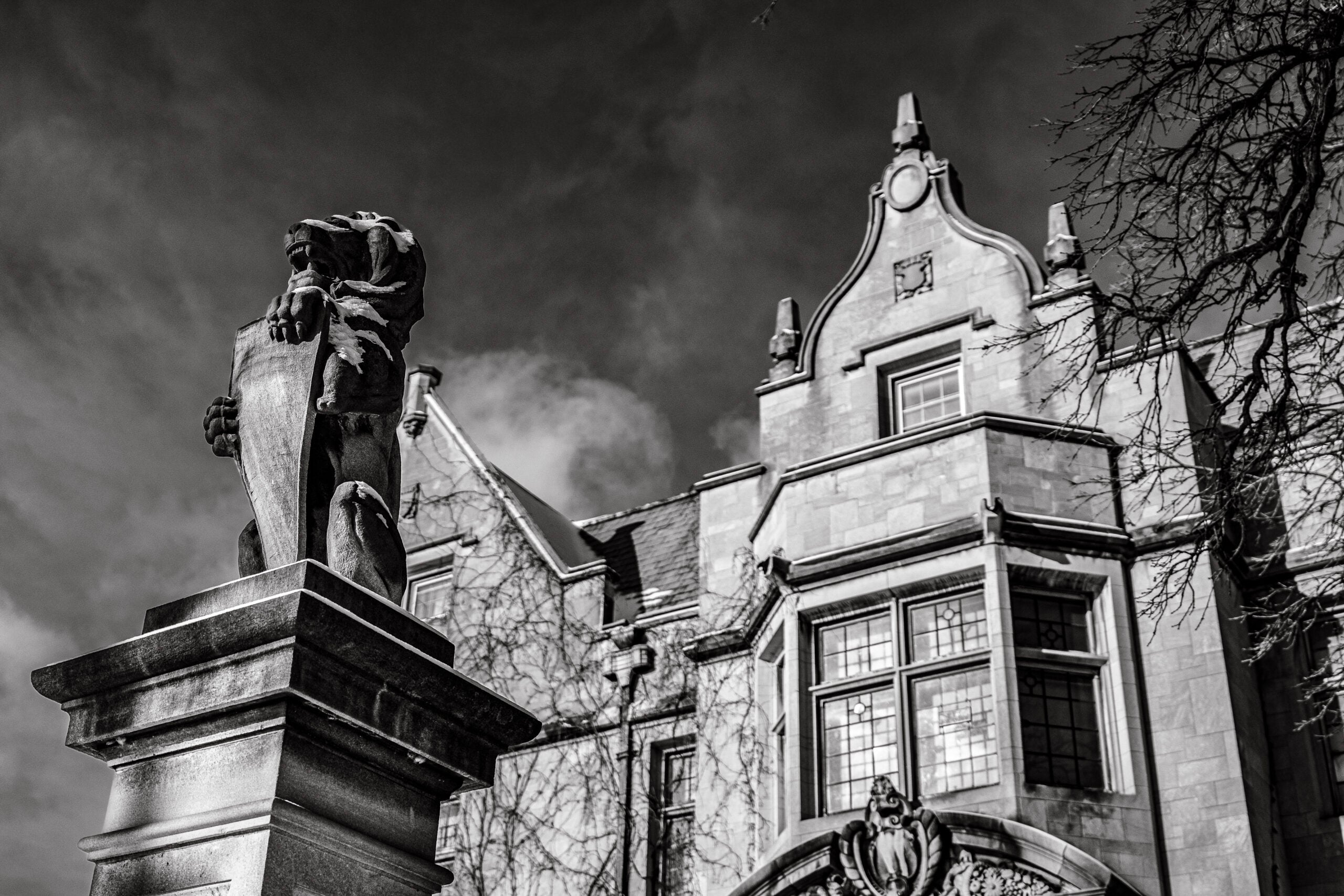
Charles S. Pillsbury built the mansion at 100 East 22nd Street in the 1910s, with construction finishing in 1916, and he filled it with genuine English interiors that came through the London dealer Charles Duveen, “Charles of London.” The flour fortune made that possible: this was a house paid for by wheat, steel rollers and a waterfall. It was designed as a family home for Charles and his wife Nelle, and their daughter Mary Pillsbury Lord, who was born in 1904, later represented the United States at the United Nations in the seat once held by Eleanor Roosevelt, as told on the Mary Pillsbury Lord page.
After the family, the house had other lives. According to The Owners, it was sold in 1940 to become a Lutheran seminary, was saved from demolition in 1969, was home to an advertising agency from 1978 to 1993, housed BLIND, Inc. from 1993 to 2025, and became the Pillsbury Club in 2025.
To go deeper, read The Pillsbury Family and The Pillsbury Company, or see how the flour empire funded the house in How a Minneapolis Flour Empire Built the Pillsbury Mansion. And to walk the rooms yourself, visit Plan Your Visit or the mansion tours.