
Who Was “Nelle” Pillsbury, and How Was She Related to the Founder of Minneapolis?
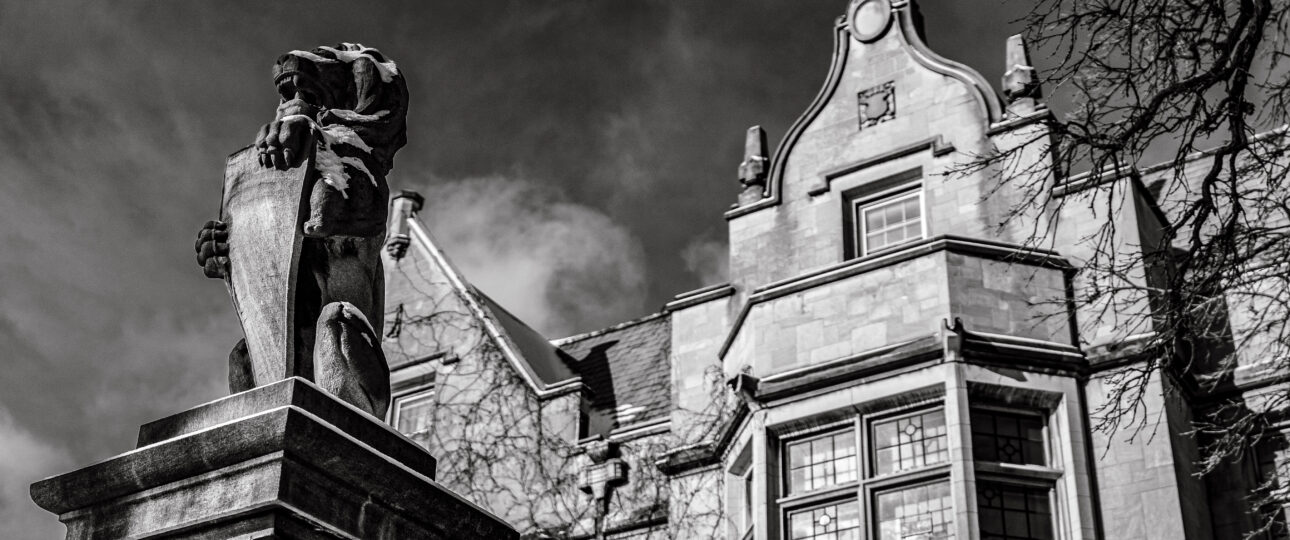
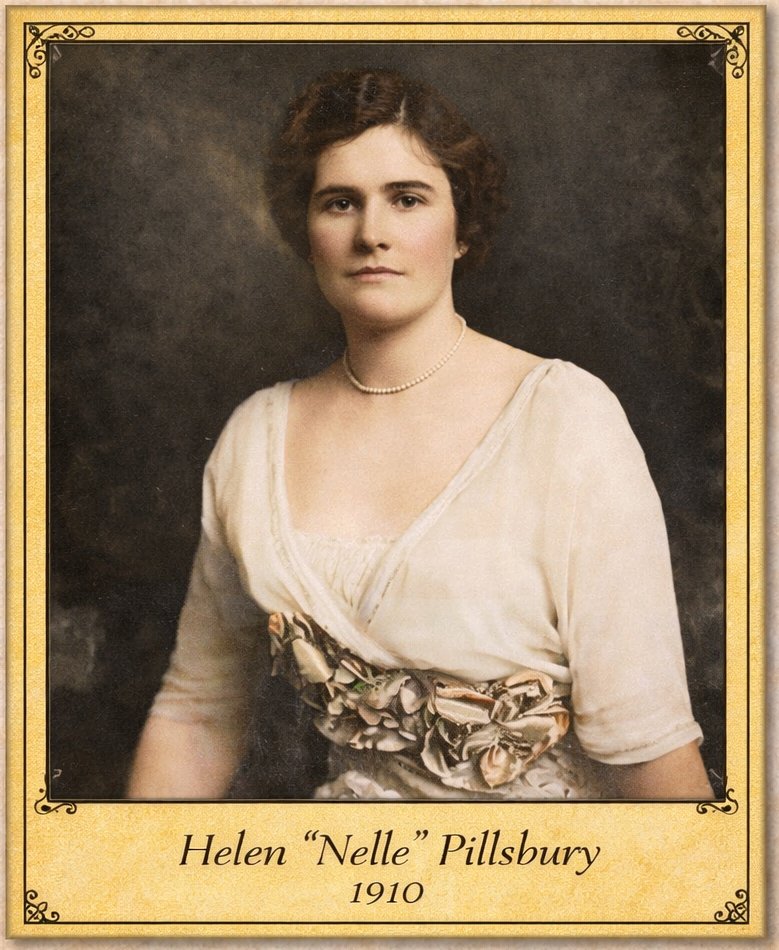
Charles Stinson Pillsbury crossed an ocean to fill his new home with England — centuries-old oak, fireplaces older than the United States, stained glass lifted from European chapels. But the woman who presided over those rooms needed no passport to claim deep roots. Helen “Nelle” Pendleton Winston Pillsbury was Minneapolis itself, and her family tree runs straight back to the very parlor where the city got its name.
The Granddaughter of “the Father of Minneapolis”
Long before there was a Pillsbury Mansion at 100 East 22nd Street, there was a small white frame house on the west bank of the Mississippi. Built in 1850 near the Falls of St. Anthony, it was the first authorized dwelling on that side of the river — and it belonged to Colonel John Harrington Stevens (1820–1900), Nelle’s grandfather. Stevens had been granted the site, then part of the Fort Snelling military reservation, in exchange for running a ferry across the falls.
That modest house did extraordinary work. Within its walls the name “Minneapolis” was chosen, Hennepin County was organized, the local school district was founded, and the idea for what became the Minnesota State Fair first took shape. Historians have long called it the “birthplace of Minneapolis.”
The House That Thousands of Schoolchildren Moved
By the 1890s, the city Stevens had helped name grew up around his little house and very nearly swallowed it. A rescue campaign launched in the pages of the Minneapolis Journal, and on a single day in late May 1896, an estimated 10,000 schoolchildren were given the day off to save it.
Working in seven relay teams, they took hold of long ropes and — alongside ten horses — helped haul the house several miles toward a new home at Minnehaha Park, where it still stands today. By one account, the teamster managing the horses complained that the children were pulling too fast. It remains one of the most charming civic spectacles in the city’s history — and the family that orchestrated so much of early Minneapolis was the one Nelle was born into.
When England Married Minneapolis
When Nelle wed Charles in 1901, two very different inheritances came together under one roof. Charles supplied the imported splendor: the carved oak, the antique mantels, and the leaded glass gathered for him by the London dealer Charles Joel Duveen, known as Charles of London. You can still trace that craftsmanship through the rooms detailed in our account of building the mansion. Nelle supplied something money could not import — a genuine claim on the city’s own origin story.
In January 1916, just as the mansion was completed, Nelle earned the title page of Town & Country magazine. By the family’s account, its proprietor was William Randolph Hearst — Charles’s rival in the hunt for European antiquities — who slipped a small dig into the caption about how much of the Pillsbury house was truly “authentic.” He was needling Charles about a fireplace, and as it happened, the Pillsburys had the last laugh.
A Dynasty Built to Last
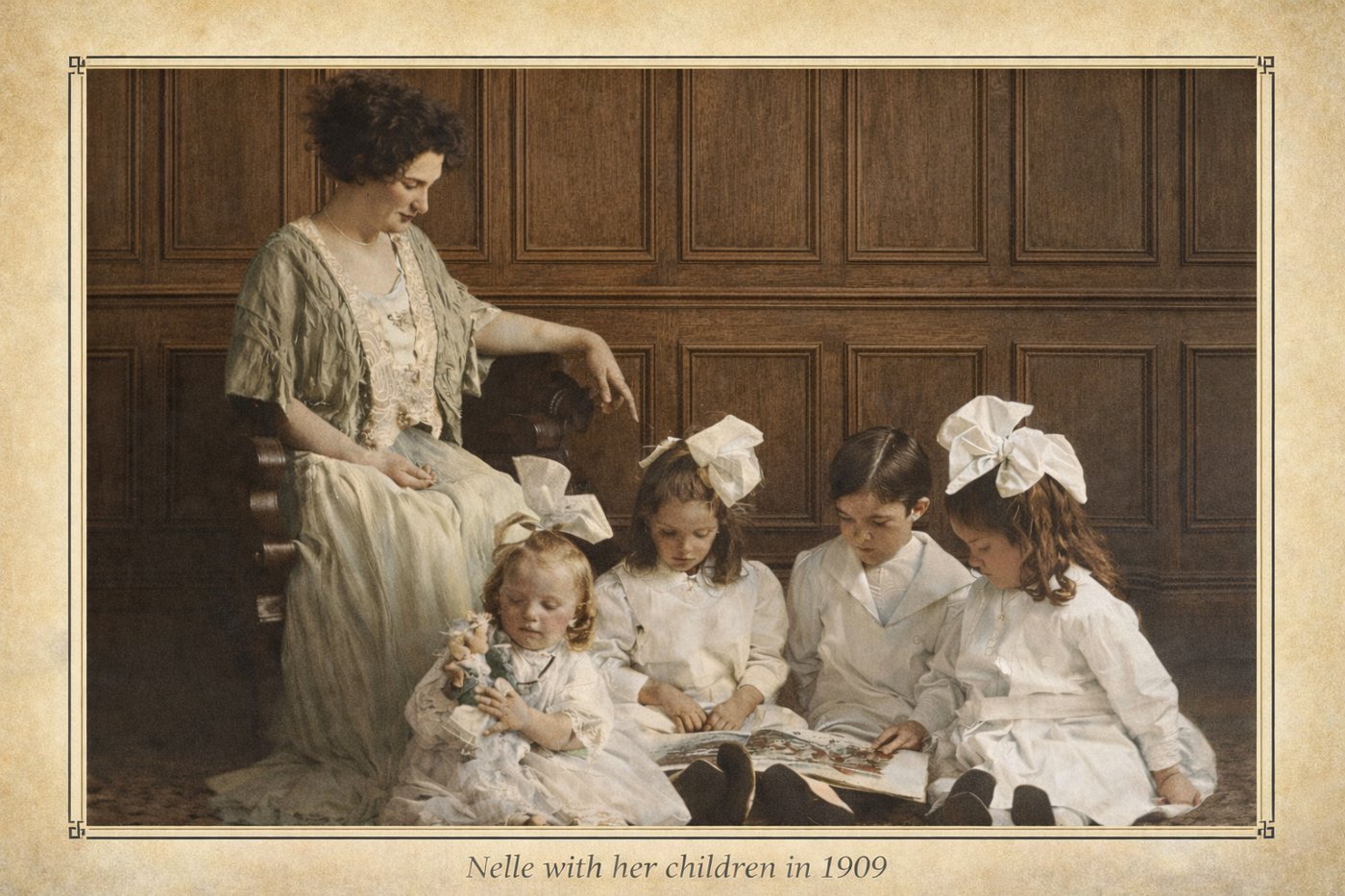
Nelle and Charles raised four children in those oak-paneled rooms — among them Mary Pillsbury Lord, who carried the family from a Minneapolis garden bench to a seat at the United Nations. Fittingly, one of Nelle’s daughters was christened Katherine Stevens Pillsbury, keeping the founder’s name alive in the next generation. You can meet the whole household in our profile of the Pillsbury family.
The house was, in a sense, the private mirror of Nelle’s two worlds: an English manor anchored by a family as old as Minneapolis itself. Nelle lived until 1957 and rests at Lakewood Cemetery, not far from the falls where her grandfather first staked his claim.
See Where Two Histories Meet
The mansion that joined England and Minneapolis still stands at 100 East 22nd Street — today the Pillsbury Club, and the departure point for the vintage Minneapolis Trolley. Come walk the rooms where Nelle Pillsbury once presided and hear the rest of the story in person. Book a tour and step into the house where an English manor met the founding family of Minneapolis.