
Who Was Mary Pillsbury Lord, the Mansion Daughter Who Took Eleanor Roosevelt’s UN Seat?
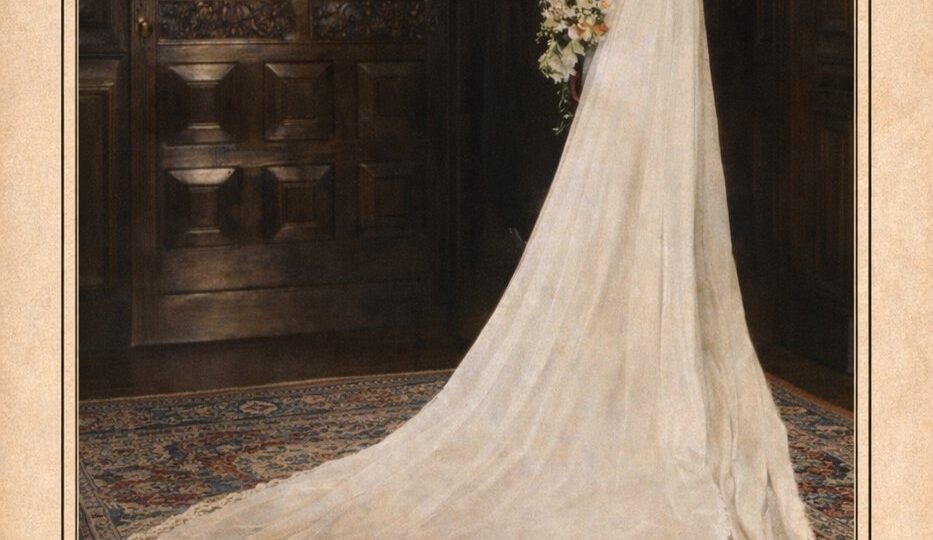
Walk through the carved oak doorway of the Charles S. Pillsbury Mansion and you are stepping over a threshold that once launched a remarkable life into the world. In 1929, a young woman in a white gown posed at this very door on her wedding day. Within twenty-five years she would be seated at the United Nations in the chair just vacated by Eleanor Roosevelt. Her name was Mary Pillsbury Lord, and hers may be the most consequential life ever to begin inside these walls.
A daughter of the oak-paneled house
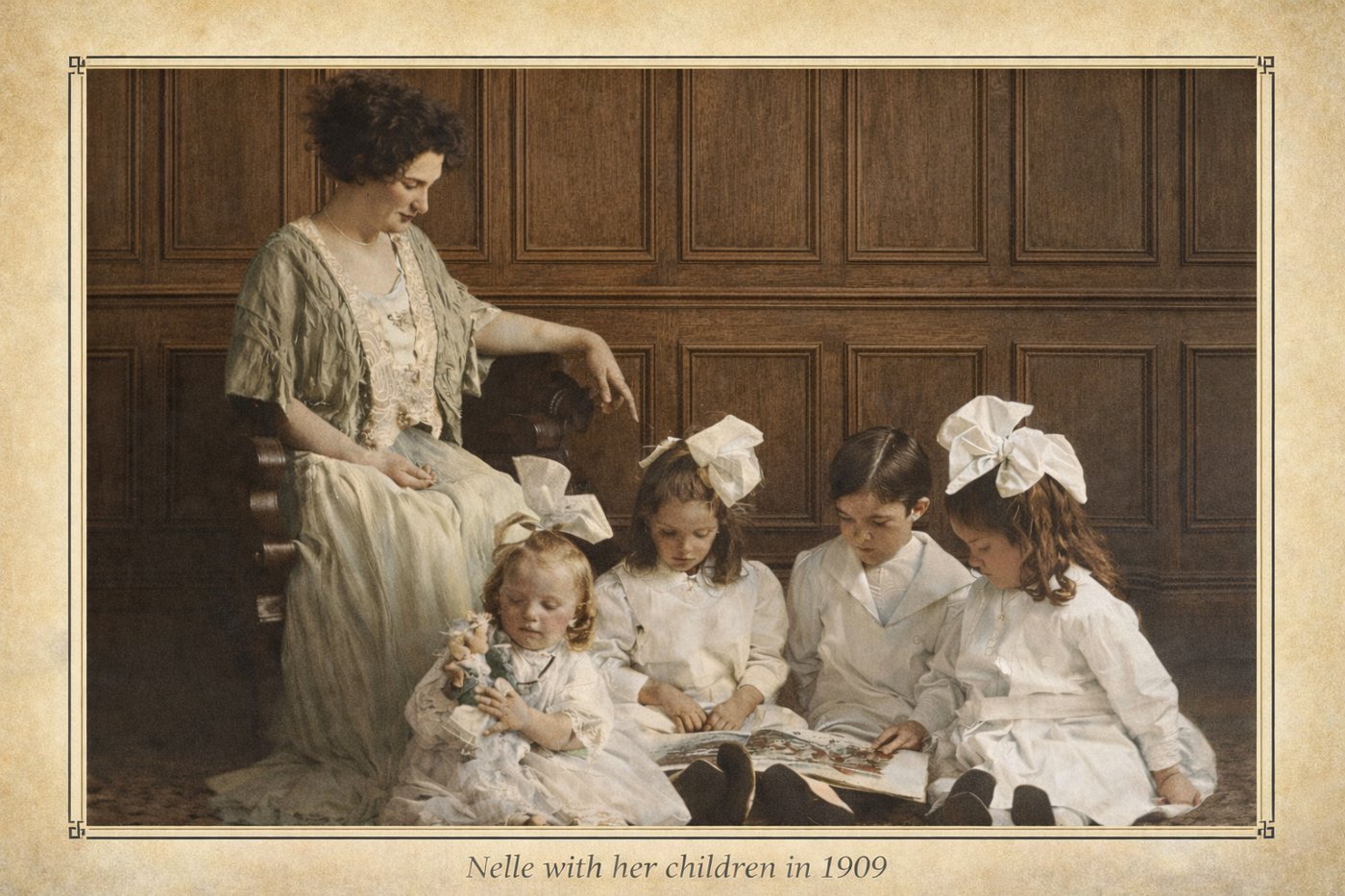
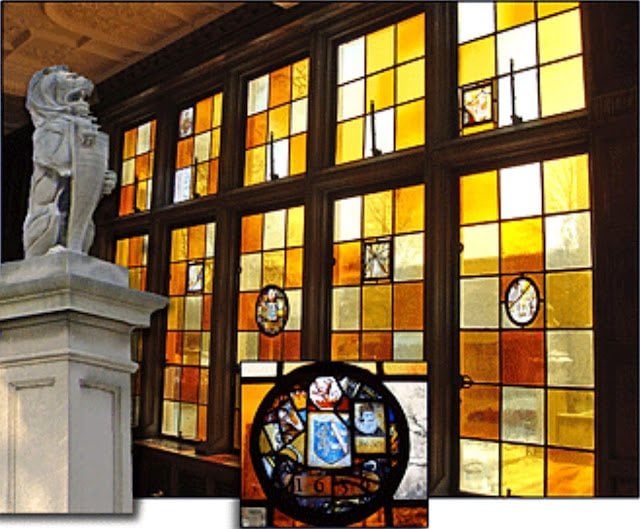
Mary Stinson Pillsbury was born in 1904, a daughter of Charles and Nelle Pillsbury and a granddaughter of Charles A. Pillsbury, the founder of the great Minneapolis milling company. (You can trace that flour fortune through the Minnesota Historical Society’s account of the founder.) She grew up amid the centuries-old English glass and carved staircases of 100 East 22nd Street — a house that imported whole rooms from England, which you can explore in The Splendors.
She was graduated from Smith College in 1927. Two years later, on her wedding day, she stood at the carved stone portico of the mansion in her gown and married Oswald Bates Lord of New York. From that doorway she stepped into a marriage — and a public life that would carry the Pillsbury name far past Minneapolis.
From war work to “Consider These Children”
When the Second World War came, Mary threw herself into the effort, helping lead recruiting for the Women’s Army Corps and touring combat-support posts across the globe to enlist a new generation of women in uniform. But it was in the rubble afterward that she found her great cause.
In 1948 she was elected the founding chairman of the U.S. Committee for UNICEF — the United Nations International Children’s Emergency Fund, born in 1946 to feed and clothe children left destitute by the war (its story is told on UNICEF’s own history page). She toured a shattered Europe, inspecting the orphanages, schools, and hospitals where the fund worked, gathered what she saw into a report titled Consider These Children, and presented it to President Truman at the White House. For four years she built the American arm of UNICEF, turning an emergency into a permanent movement.
Taking Eleanor Roosevelt’s seat
In 1952, Mary co-chaired Citizens for Eisenhower. When Eleanor Roosevelt resigned her United Nations post with the change of administrations, President Eisenhower named Mary Pillsbury Lord to succeed her as the United States representative to the U.N. Commission on Human Rights — one of the most symbolically charged seats in American public life. The Eisenhower Presidential Library keeps her papers from those years.
She held the post from 1953 to 1961, championing peace, refugees, and human rights through the gravest crises of the Cold War, and twice more served as a U.S. delegate to the U.N. General Assembly, in 1958 and 1960. A full account of her diplomatic career appears in her biography.
A hundred countries — and a diplomatic son
The stories that cling to her have the ring of legend: she survived a shipwreck, and she is said to have traveled to a hundred countries. And she passed the instinct for service to the next generation. Her son, Winston Lord, became president of the Council on Foreign Relations and, from 1985 to 1989, United States Ambassador to China — carrying the family’s habit of duty into yet another era. You can meet the rest of the household, from the milling magnate to the Doughboy’s creator, in The Pillsbury Family, and read Mary’s full story here.
Stand where her story began
The front door where Mary posed in 1929 still opens onto the same oak-paneled rooms today. The mansion is now the Pillsbury Club and the launch point for Minneapolis Trolley Tours — so you can walk the halls Mary knew and then roll out to see the rest of the city’s gilded history. Book a tour or visit and stand on the threshold where one of the twentieth century’s quiet trailblazers stepped into the world.