
Which Four Minneapolis Mansions Were Saved From the Wrecking Ball in 1969?
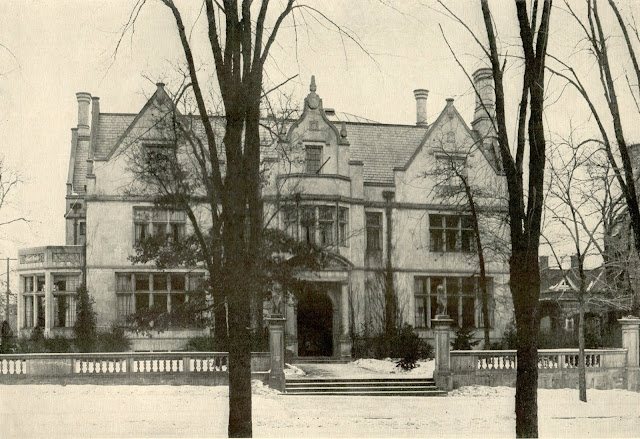
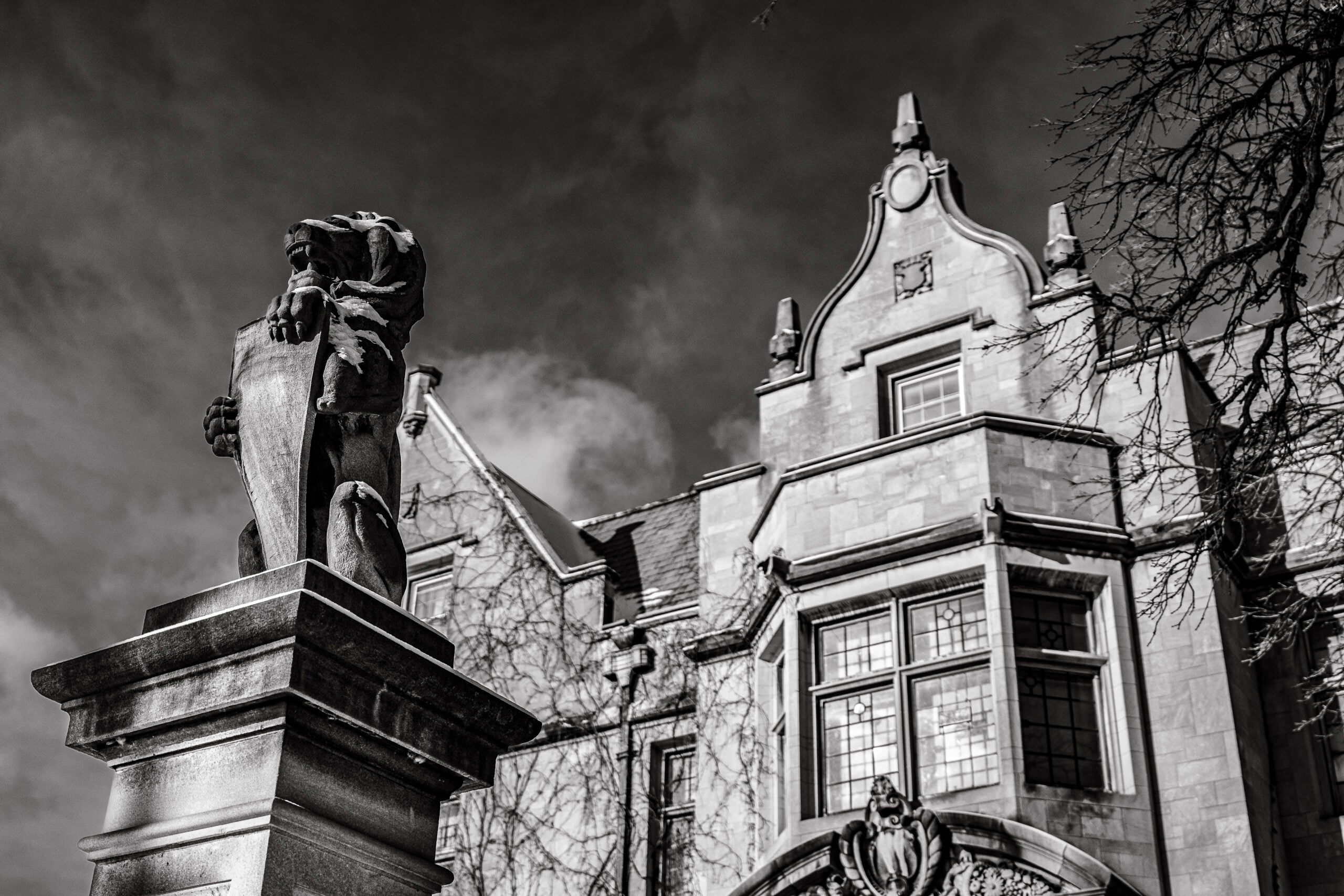
Everyone who passes the corner of 22nd Street and Stevens Avenue knows the great stone house with the lions at the gate. Far fewer know that when the Charles S. Pillsbury Mansion was rescued from the wrecking-ball era in 1969, it did not stand alone. One quiet act of generosity saved four mansions at once — and the identity of the other three is one of the neighborhood’s best-kept stories.
A Block Built Under Oath
The story begins in 1903, when Mrs. Florence A. Pettibone sold off a single block at the edge of Washburn–Fair Oaks Park — and wrote conditions into every deed. According to the National Register nomination, nothing could rise there but private residences of stone or brick, costing no less than ten thousand dollars, with generous setbacks — and absolutely no apartment houses. On that protected ground rose a remarkable cluster: two Pillsbury houses on 22nd Street and two Crosby houses behind them, the homes of Minneapolis flour royalty built within sight of one another.
The Seminary Campus Nobody Remembers
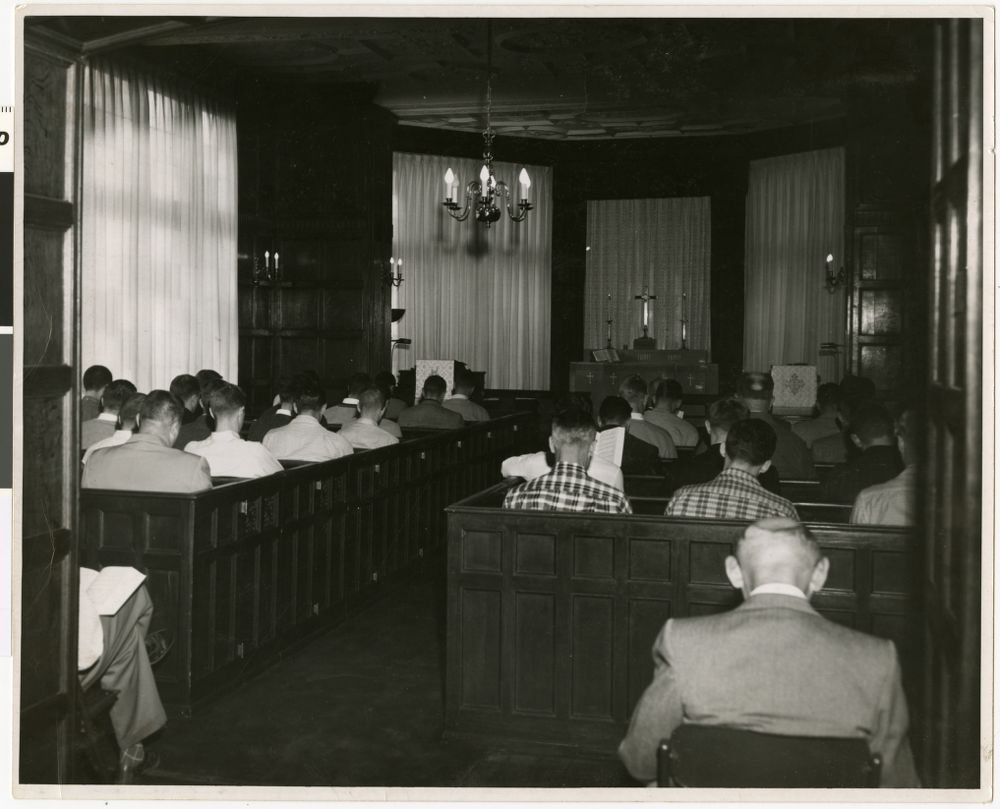
When Charles S. Pillsbury died and the great house passed out of the family in 1940, it did not pass alone into its second life. Beginning in 1941, the Northwestern Lutheran Theological Seminary assembled an entire campus on the block — four mansions in all. The Charles S. Pillsbury House became Passavant Hall, its imported English rooms echoing with hymns instead of dinner parties. The Alfred F. Pillsbury House next door, the John Crosby House, and the Caroline Crosby House filled out the seminary’s quadrangle of borrowed grandeur. For nearly three decades, seminarians studied scripture where millers had once entertained.
1969: One Gift, Four Rescues
Then the seminary moved on — at the worst possible moment. By the late 1960s the mansions of Minneapolis’s empire-builders were falling one after another; the Gluek house came down in 1966, the Dunwoody in 1967, the Clifford in 1968. Four more grand houses suddenly standing empty beside Washburn Fair Oaks Park should have been a demolition contractor’s dream.
Instead, an anonymous donor stepped forward. The gift gave the Minneapolis Society of Fine Arts — the parent of the Minneapolis Institute of Art, whose columned temple faces the same park — the means to purchase all four houses in 1969 and hold them safe. The wrecking ball that had claimed an entire avenue of palaces would swing no further here.
So Who Were the Other Three?
The Alfred F. Pillsbury House at 116 East 22nd Street is the craggy limestone Tudor next door, built for the jade-collecting son of Governor John S. Pillsbury — the man whose extraordinary collection now fills galleries across the park. The John Crosby House at 2104 Stevens Avenue belonged to a president of Washburn-Crosby — the archrival mill that became General Mills. And the Caroline Crosby House on First Avenue was home to his sister, a pioneering social worker; in later years it sheltered, of all things, the Children’s Theatre Company.
Savor that irony a moment: the fiercest rivalry in the history of American flour — Pillsbury versus Washburn-Crosby — ended with both families’ houses saved by the very same gift, side by side, forever.
What the Rescue Bought
The Society of Fine Arts held its four charges until 1976, then passed them to new stewards — the Pillsbury mansion to the ad agency Carmichael Lynch, and onward through a chain of caretakers to the Pillsbury Club of today. By the late 1970s the surviving houses were entered together on the National Register of Historic Places as the Washburn–Fair Oaks Mansion District, and the Charles S. Pillsbury House is today a designated Minneapolis landmark. Of the avenue of palaces that once ringed the park, this little cluster is very nearly all that remains.
Stand Where the Wrecking Ball Never Swung
The best way to understand what one anonymous gift preserved is to walk through it. The Pillsbury Club offers year-round tours of the mansion, and Minneapolis Trolley Tours departs from its front door, rolling past the survivors and the ghosts alike. And if you’d like to sleep inside a rescued mansion, the Eugene J. Carpenter Mansion — now the 300 Clifton bed & breakfast in Loring Park — proves the Pillsbury house isn’t the only Minneapolis grande dame with a second life. Come see the house the wrecking ball never touched.
Keep reading: the mansions were saved — but did you know the company itself once needed rescuing from London? The 34 years Pillsbury was a British company.