
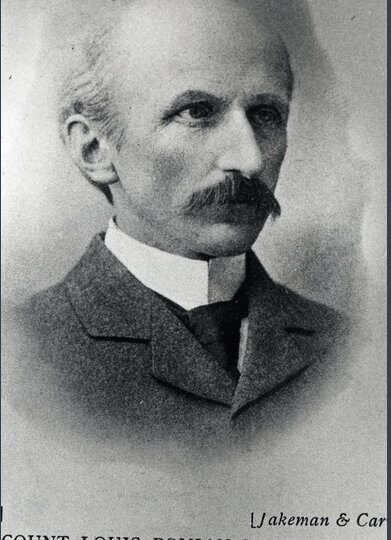
The Bodenhams of Rotherwas: The English Family Behind the Mansion’s Oak
Run your hand along the carved oak staircase inside the Charles S. Pillsbury Mansion and you are touching England. Not a reproduction of England, but the genuine, centuries-old article — timber that was first shaped by craftsmen an ocean away, in a house that stood when Shakespeare was writing. Before any of it reached Minneapolis, it belonged to Rotherwas Court, the Herefordshire seat of a remarkable family called the Bodenhams. This is their story.
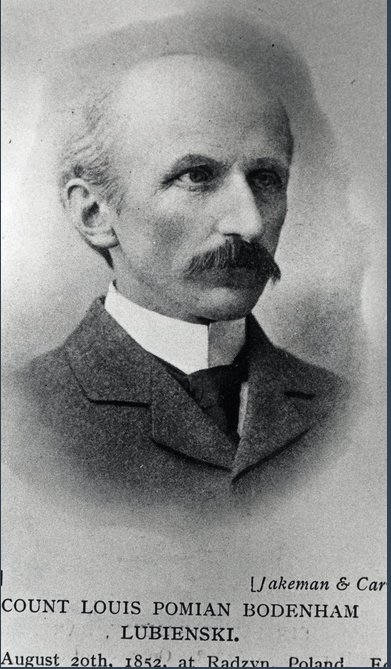
A house already old when America was young
Rotherwas appears in the Domesday Book of 1086, William the Conqueror’s great survey of England — at that point held by the de la Barre family. It passed to the Bodenhams in the fifteenth century, when a Bodenham married Isabella de la Barre and joined two old county houses into one. From that union the family would hold Rotherwas for roughly five hundred years, an unbroken line of squires presiding over an estate that eventually stretched to more than 2,500 acres of Herefordshire farmland along the River Wye.
To put that span in perspective: the Bodenhams were already an ancient family at Rotherwas before a single European had settled Minnesota. The oak that now anchors our entrance hall had been standing in their banquet hall for three centuries by the time Charles S. Pillsbury was born.
The faith that defined them
What set the Bodenhams apart from their neighbors was their religion. In an England that had turned violently Protestant, they remained staunch Roman Catholics — “recusants,” in the language of the day, who refused to attend the official church and paid dearly for it in fines, suspicion, and exclusion from public life. The family’s Catholicism is traced to Sir Roger Bodenham (1545–1623), who, according to local tradition, rebuilt the family chapel after a miraculous cure of a tumor in his legs at St Winefride’s Well in Wales.
That devotion came at a cost. The Bodenhams suffered for backing the King during the English Civil War, yet they endured — and their little chapel of Our Lady survived everything the centuries threw at it. Remodeled in 1884 by Peter Paul Pugin, Rotherwas Chapel still stands today, cared for by English Heritage, even though the great house beside it is long gone. It is one of the loveliest small Catholic chapels in England, and the last whole survivor of the Bodenhams’ world.
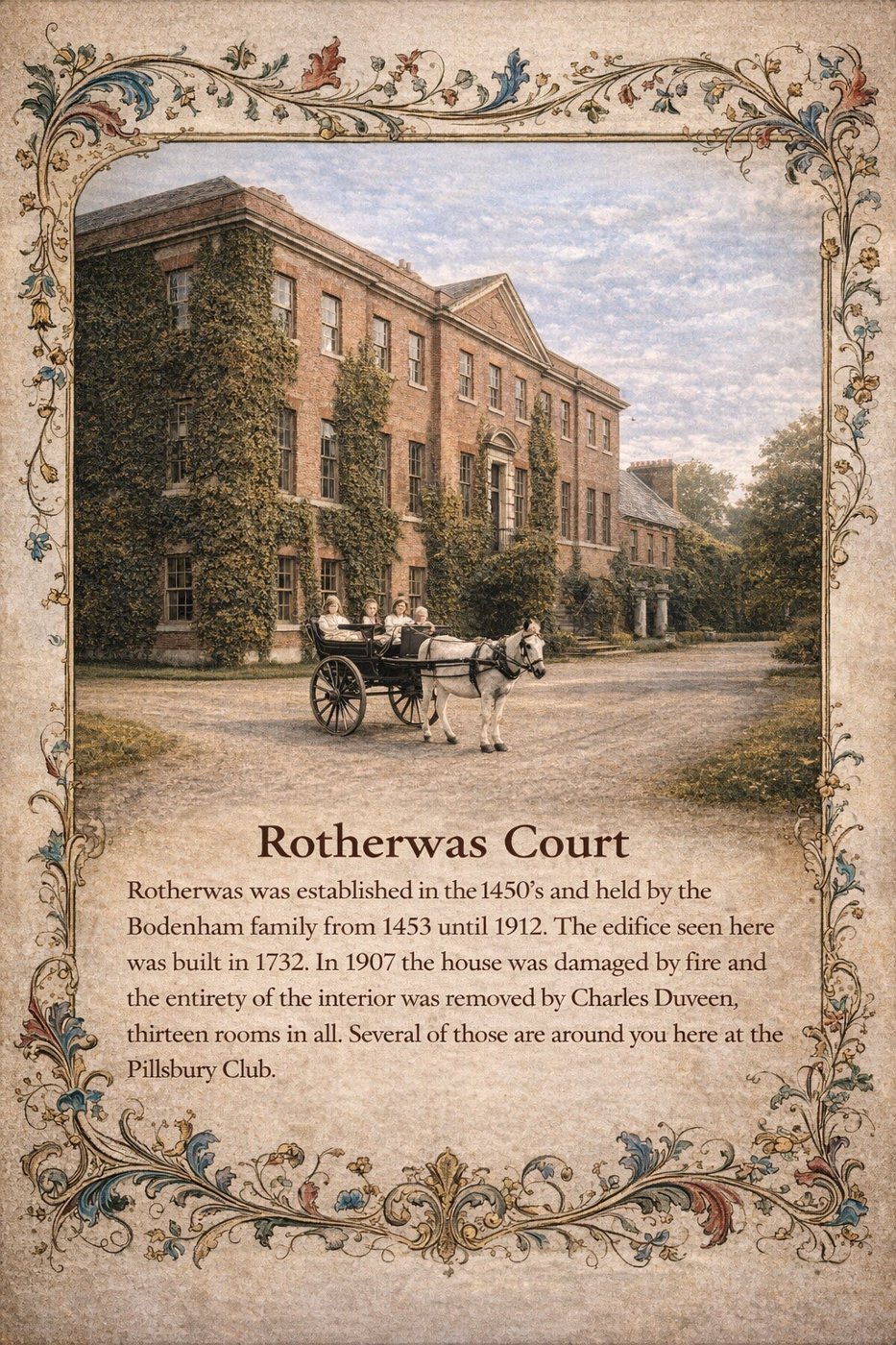
The breaking of Rotherwas
By the close of the nineteenth century, the money was gone. Like so many old landed families, the Bodenhams could no longer sustain a vast country estate, and in 1912 the last of the line gave up the house. Rotherwas was put up for sale, and in 1913 came the event that scandalized England: roughly thirteen of its Elizabethan and Jacobean rooms — paneling, plaster ceilings, and carved oak — were stripped out and shipped across the Atlantic to America.
The dealer behind the sale was Charles Joel Duveen, who traded under the name “Charles of London”. He scattered Rotherwas’s treasures among America’s richest collectors. One celebrated room went to an oil baron and survives today in the Mead Art Museum at Amherst College. Others made their way west — to a brand-new mansion rising on the edge of Washburn–Fair Oaks Park in Minneapolis. The empty shell of Rotherwas Court was used as a barracks and a military prison during the First World War, then finally demolished in 1926. The family that had held the land since the 1400s vanished from it entirely.
How a piece of Rotherwas reached Minneapolis
This is where the Bodenhams’ story becomes ours. When Charles S. Pillsbury set out to build the grandest house in the Midwest, he did not want imitation antiquity — he wanted the real thing. Through Charles of London he acquired genuine English interiors, and the mansion’s hand-carved oak and its grand staircase trace back to Rotherwas itself. What was lost to Herefordshire was, in a sense, preserved here: rooms that would otherwise have been bulldozed in 1926 instead found a second life in Minnesota.
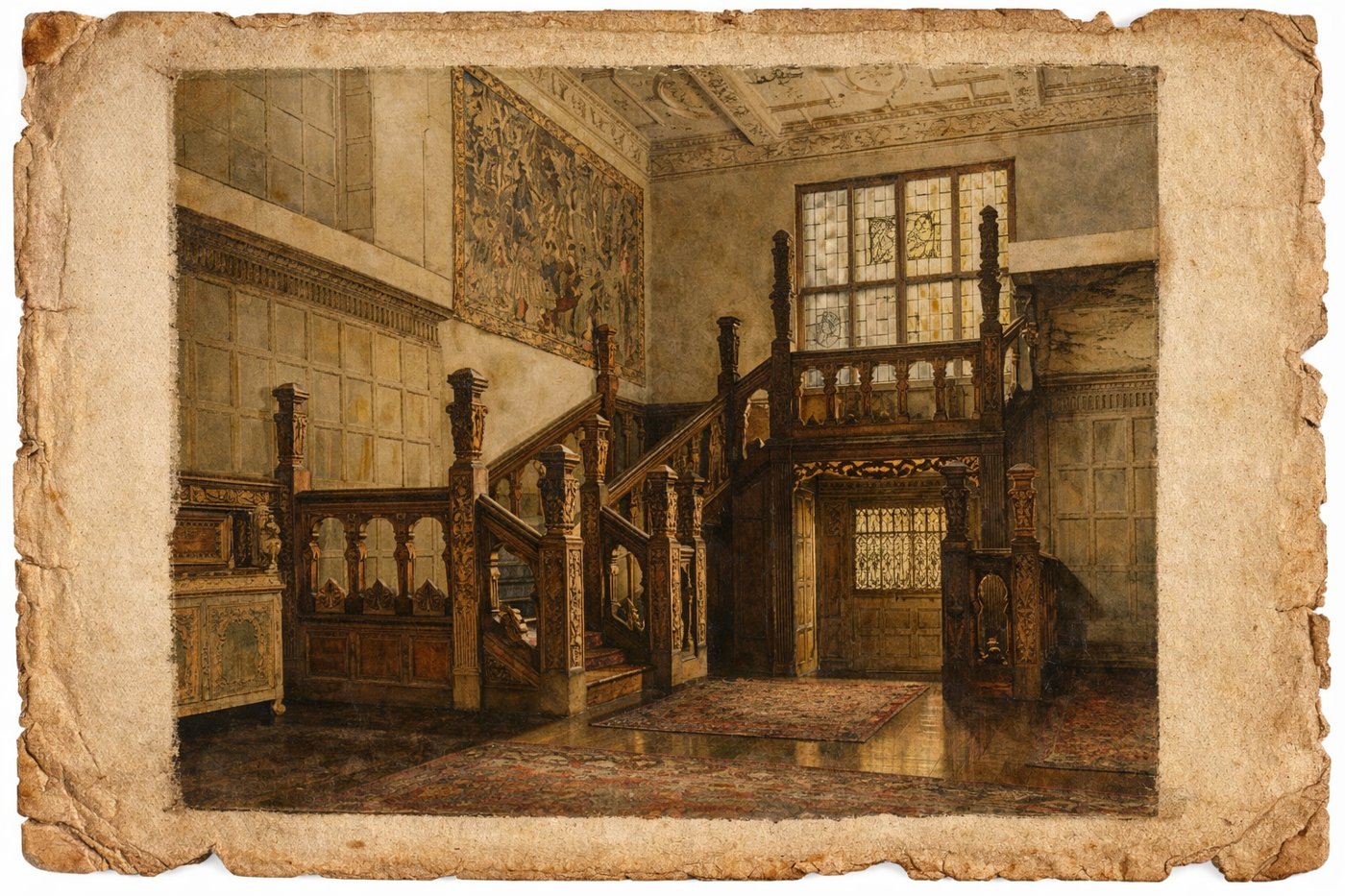
You can read the full account of the dealer who made it happen on our Charles of London page, and see every imported treasure — the Rotherwas oak, the King’s staircase, the Tallow Chandlers fireplace that survived the Great Fire of London, and the ancient cathedral glass — in The Splendors. For the story of the man who brought it all home, visit The Pillsbury Family.
See it for yourself
The best way to understand Rotherwas is to stand inside what remains of it — 4,000 miles from Hereford, in the heart of Minneapolis. The Pillsbury Club is the launch point for Minneapolis Trolley Tours, and a tour is the perfect way to see the city’s Gilded Age up close, ending right here in the mansion. Making a weekend of it? Pair your visit with a stay at the historic 300 Clifton mansion bed & breakfast in nearby Loring Park, or settle in for a longer stay at Oakland’s on 9th downtown. Five centuries of English history are waiting at the top of the stairs.