
How a Minneapolis Flour Empire Built the Pillsbury Mansion
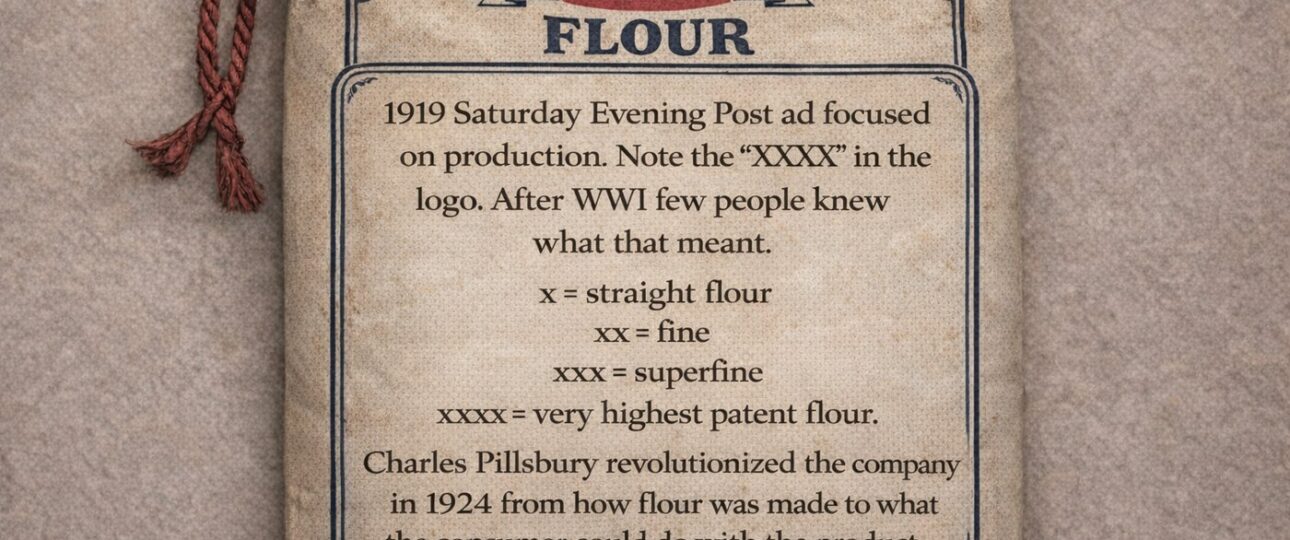
Walk into the great hall at 100 East 22nd Street and you are surrounded by centuries-old English oak, a fireplace that outlived the Great Fire of London, and cathedral glass older than the United States. It is easy to forget that all of it — every imported gable and leaded pane — was paid for in flour. The Charles S. Pillsbury Mansion is the most English house in Minneapolis, but the fortune that built it was made entirely at the river a mile to the north, where the water never stopped turning the wheels.
It started with a one-third share of a small mill
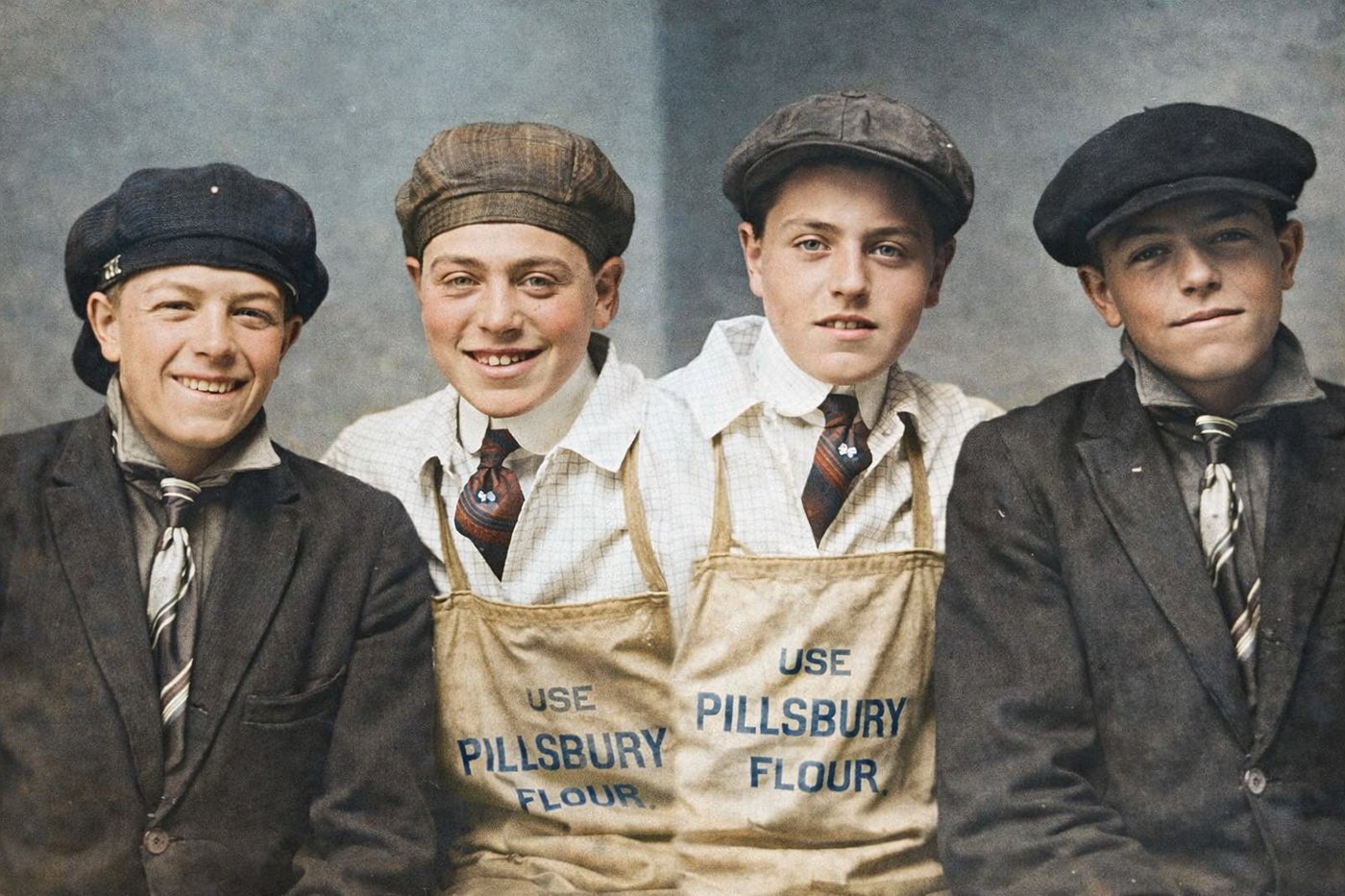
In 1869 a young Charles Alfred Pillsbury came to Minneapolis and paid $10,000 for a one-third stake in a modest flour mill powered by the Falls of St. Anthony. The mill turned out roughly 200 barrels a day. Charles, restless and clever, installed new purifiers and became one of the first American millers to crush hard spring wheat with steam-driven rollers instead of old burr stones. The result was a finer, whiter flour — and within a year the little mill was showing a healthy profit, according to the Minnesota Historical Society.
By 1882 the firm had built the Pillsbury “A” Mill, a limestone giant that stood as the largest flour mill on earth for some forty years. The story of that empire is told in full on The Company page — but the short version is simple: a single mill at the falls became a name on every shelf in America.
Gold Medal versus Pillsbury’s Best, across one river
Minneapolis earned its nickname honestly. For half a century it was the “Mill City,” the flour-milling capital of the world, fed by St. Anthony Falls and the hard spring wheat of Minnesota and the Dakotas. Two giants dominated the skyline — and they sat almost directly across the river from one another, close enough to keep a permanent eye on the competition.
Their rivalry was personal and clever. When the Washburn-Crosby Company won a national gold medal, it named its flour Gold Medal. Pillsbury answered by tying a blue ribbon on its sacks and calling its flour Pillsbury’s Best. Washburn-Crosby would later merge into General Mills and invent a fictional kitchen advisor named Betty Crocker; Pillsbury would answer with marketing of its own. The competition that began at the falls shaped American cooking for a century.
The empire sailed to England — then came home
Here is the twist most visitors never hear. In 1889 the Pillsbury mills were sold to an English financial syndicate, becoming the Pillsbury-Washburn Flour Mills Company, Ltd. For some thirty-four years the great Minneapolis flour name belonged, on paper, to investors across the Atlantic. Then in 1923 the Pillsbury family bought it all back, severing ties with their English parent and restoring American control — a homecoming detailed in company histories at FundingUniverse.
Charles Stinson Pillsbury — the man who built the mansion — was among the family members who led that return. It is a fitting irony: the owner who filled his house with genuine English antiquities was also the one who pulled the family business out of English hands. You can meet him and his remarkable children on The Family page.
They sold the recipe, not the flour
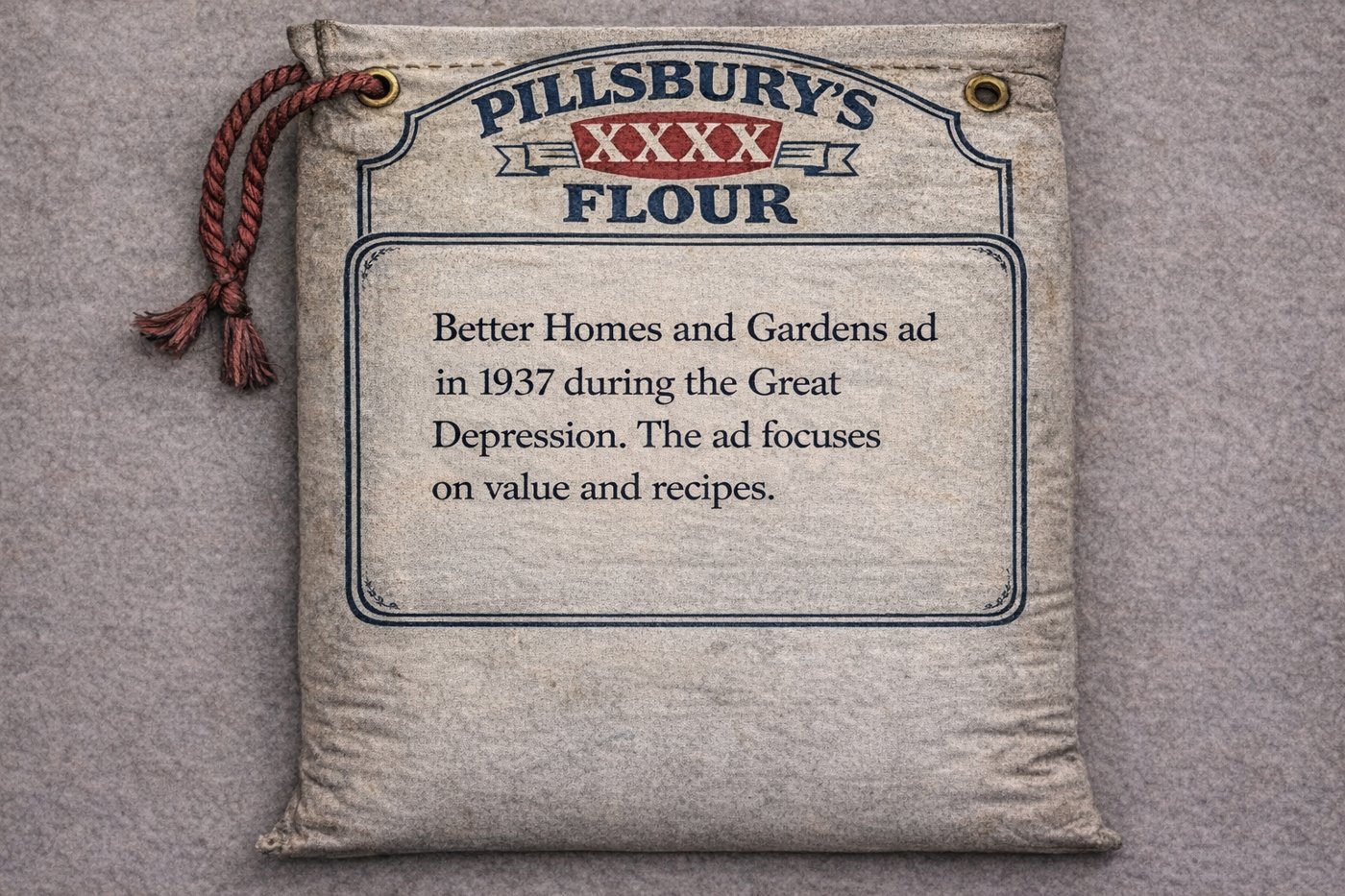
Pillsbury’s genius was not only in milling — it was in marketing. The company pioneered advertising built around recipes and confidence rather than the product itself. A bag of Pillsbury’s Best arrived with a folder of recipes that changed every few weeks, “a treasure-house of new, unusual, yet practical recipes.” Pillsbury taught America not merely to buy flour, but to cook with it — and to attach that confidence to a single friendly name. National bake-offs, radio cooking programs, and a cohesive brand identity changed how food was sold and consumed.
And then an icon popped out of a can
The most beloved chapter came later. In the spring of 1965, a Leo Burnett copywriter named Rudolph Perz imagined a living dough figure climbing out of a refrigerated dough can. On November 7, 1965, the stop-motion Pillsbury Doughboy, “Poppin’ Fresh,” giggled his way onto American television. Within three years he had an 87% recognition rate. A giggle, a poke in the belly, and the family name on the mansion door became a friend in kitchens around the world.
The house the flour built
Completed in 1916, the mansion was the private mirror of that ambition — a dynasty with a pedigree, meant to endure. Every transplanted English room (you can read how they crossed the ocean on Building the Mansion) was financed by the same flour that made Minneapolis the Mill City. To stand in these rooms is to stand inside a fortune milled grain by grain at the falls.
Today the house is the Pillsbury Club, and the best way to see where the flour empire came to rest is in person. Our vintage Minneapolis Trolley departs from the mansion, and year-round tours bring the whole story — milling money, English oak, and the Doughboy’s distant ancestors — to life. Come visit, and let us show you the house that flour built.
Keep reading: the flour fortune paid for a houseful of imported English treasures — including the carved Tudor marriage fireplace in the lounge, a 1592 crest from a Devon manor.