
Who Were the Tallow Chandlers, the London Guild Behind the Mansion’s Oldest Fireplace?
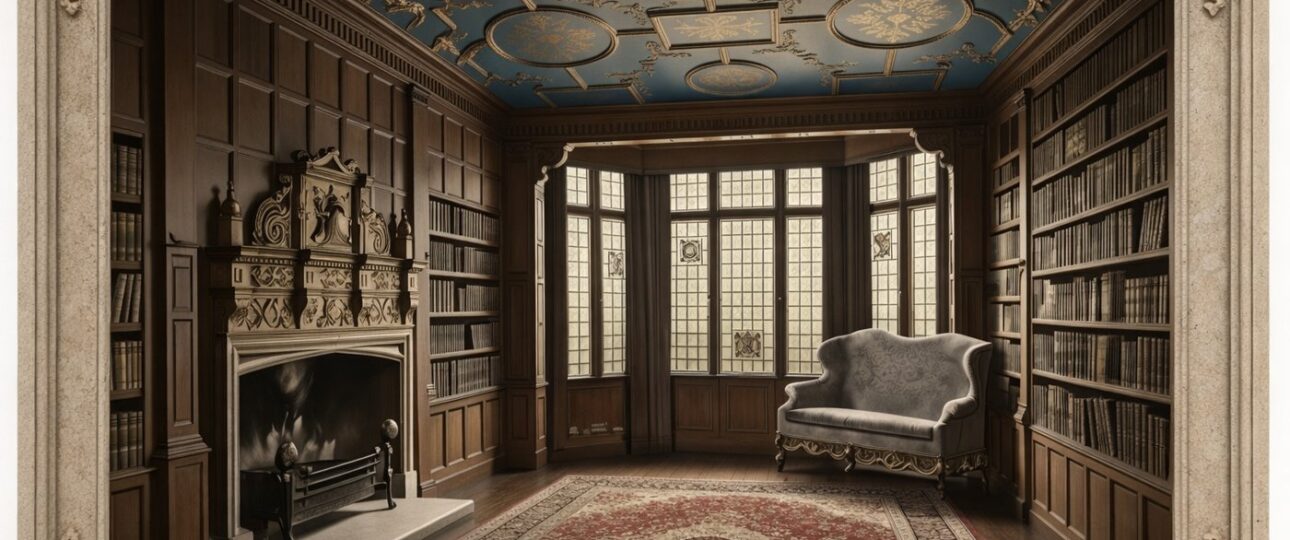
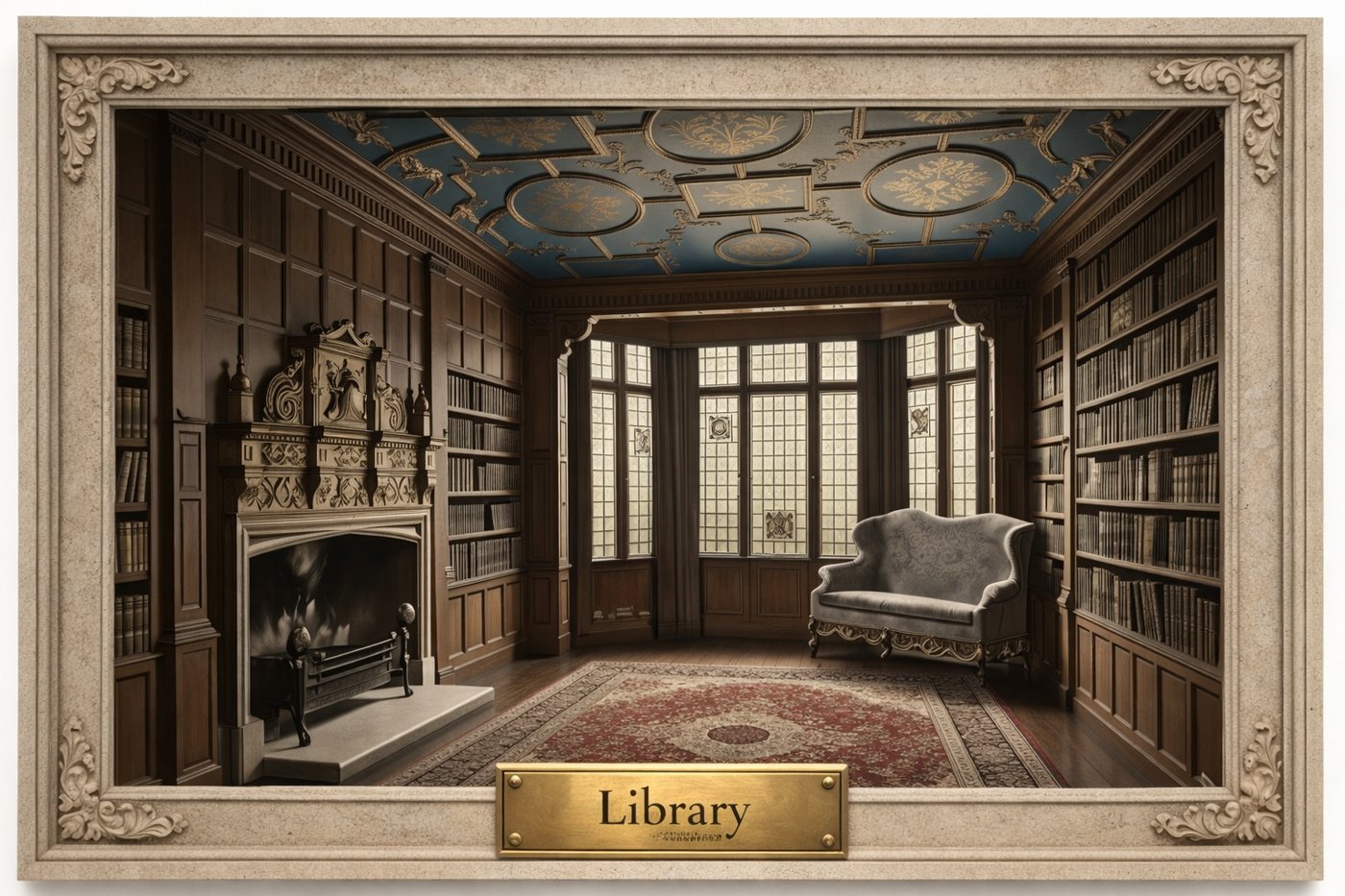
In the library of the Charles S. Pillsbury Mansion there is a stone chimneypiece carved in 1476. It is the oldest thing in the house by a wide margin — older than the voyage of Columbus, older than the Tudor dynasty, older than the idea of Minneapolis by roughly four centuries. Visitors on the tour usually ask the same question about it, and it is a good one: who were the Tallow Chandlers?
The short answer is that they made candles out of animal fat. The longer answer is a great deal more interesting, and it explains how a guild hall fireplace ended up four thousand miles from the hill it was carved for.
A guild built on grease
The Worshipful Company of Tallow Chandlers came together in London around 1300 — not as a charming society, but as a regulator. Its business was oils, ointments, lubricants and fat-based preservatives, and above all the making of candles from tallow, the rendered fat of cattle and sheep.
That distinction mattered enormously at the time. Tallow chandlers and wax chandlers were separate companies with separate trades. Beeswax candles burned clean and sweet and were used in churches and in the houses of the nobility. Tallow candles smoked, guttered and smelled distinctly of the animal they came from — and they lit everybody else’s home in England. The Tallow Chandlers were, in other words, the guild that kept ordinary London from sitting in the dark.
It was not a genteel trade. It was a necessary one, and necessity made it rich.
Arms from Henry VI, a charter from Edward IV
Over its first century and a half the company grew in wealth and reach. In 1456 it was granted a coat of arms by Henry VI — and this is the detail that makes the Minneapolis fireplace remarkable. The grant predates the founding of the College of Arms itself, and across the whole of English history only a very small number of such patents were ever issued to guilds. The original 1456 patent still survives.
Six years later, in 1462, Edward IV granted the company its first royal charter and full livery status. The charter came with teeth: it gave the Tallow Chandlers authority to seize and destroy inferior goods traded anywhere in their line of business. This was a guild empowered to walk into a rival’s shop and confiscate the merchandise.
The company still exists. It ranks twenty-first in the order of precedence among London’s livery companies, and its hall still stands on Dowgate Hill.
The hall on Dowgate Hill — and 1476
The company bought the Dowgate Hill site in 1476 and built its hall there. Into that hall went a great stone chimneypiece carved with the arms Henry VI had granted twenty years earlier, watched over by St. John the Baptist, the guild’s patron saint, whose head is held aloft by the Archangel Gabriel.
That is the fireplace now standing in a library in Minneapolis.

How an old coat of arms saved it
Here is the quiet irony at the centre of this story. In 1602 the Tallow Chandlers updated their coat of arms. The 1476 chimneypiece, carved with the older version, was suddenly out of date — heraldically wrong, an embarrassment in a hall that cared about such things.
Being obsolete is what saved it. An outdated fireplace is a fireplace a guild is willing to part with. Had the arms still been current in 1666, it would very likely have been rebuilt into the new hall along with everything else and would never have left England at all.
The Great Fire, and afterwards
In September 1666 the Great Fire tore through the City of London and gutted the Tallow Chandlers’ hall along with most of its neighbourhood. The building the company uses today was raised on the same site in 1672 and is now Grade I listed.
The 1476 chimneypiece came through it. By the Club’s own history it was afterwards sent north to Chester, where it warmed another guildhall for some two and a half centuries before the antiques trade found it again in the early twentieth century — and before Charles of London put it in front of Charles S. Pillsbury, in competition with William Randolph Hearst.
Why it is worth standing in front of
Most of the imported English interiors in this house came out of country estates: the Rotherwas oak and staircase, the Tudor plaster ceilings, the Walrond marriage fireplace from Bovey House. They were made for private families, to be admired by private guests.
The Tallow Chandlers’ chimneypiece is different in kind. It was made for a working guild, in a working hall, by a trade that lit the houses of ordinary Londoners with rendered beef fat. It carries the arms of tradesmen, not of aristocrats. Of everything the Duveen brothers and their contemporaries shipped across the Atlantic, it is one of the few pieces that came from the commercial city rather than the country house — which, in a mansion built by a flour miller, feels about right.
Come and see it
The chimneypiece is in the library, and it is on the route of the year-round guided mansion tour. Bring your reading glasses: the carving rewards standing close.
Tour details are on our experiences and tours page, and everything you need before you arrive is on plan your visit. The Pillsbury Club is private and reservations are required in advance.