What Did Hearst’s 1914 Lawsuit Over an “Elizabethan” Chimneypiece Actually Say? A New York Herald Clipping on Charles of London
In November 1914, one of the most famous newspaper publishers in America went to court over a chimneypiece. A short item in the New York Herald of Saturday, Nov. 7, 1914, headlined “Hearst Calls Antique a Fake,” reports the suit in unusual detail, and it names the same London dealers who supplied the Pillsbury Mansion. Here is what that clipping actually says, and what it leaves out.
What did William Randolph Hearst say in his 1914 lawsuit?
According to the Herald, William R. Hearst filed suit in the New York Supreme Court “yesterday,” the day before the paper’s Nov. 7 issue, against Charles of London, the antique dealers with an office at 718 Fifth Avenue. He wanted to recover $3,000 of the $4,000 he had paid for what was sold as an Elizabethan chimneypiece. His claim was that the piece was not genuine and was worth only $1,000.
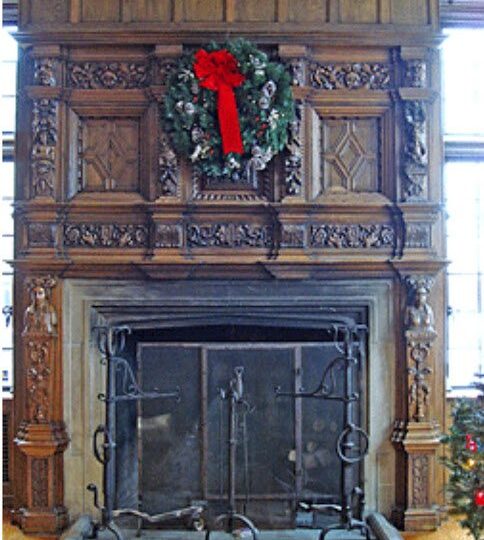
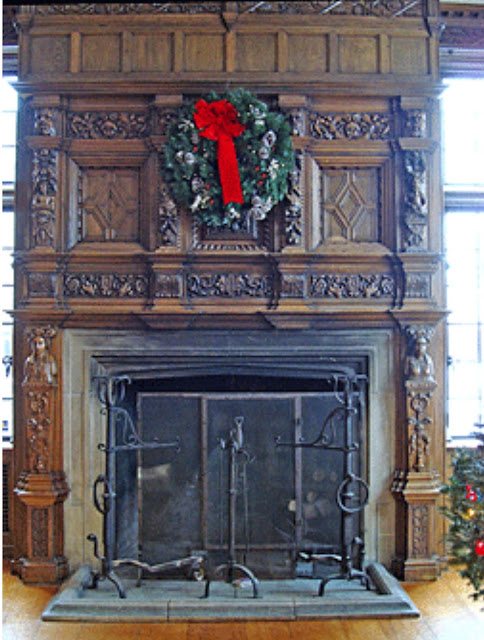
The dealers, the paper says, had described it as a “very fine carved stone Elizabethan chimneypiece” bearing the arms and supporters of the Worshipful Company of Tallow Chandlers. That is the London guild whose arms also appear on a fireplace in the Pillsbury Mansion, a story we tell in our post on the Tallow Chandlers and in our look at the coats of arms.
Why did Hearst say the chimneypiece cost him more than a Minneapolis buyer paid?
Hearst, the clipping says, alleged that the dealers assured him the piece was made in the reign of Queen Elizabeth and that no copy would be sold. He then made a second, more pointed claim. A similar chimneypiece, he said, had been sold to a resident of Minneapolis and came through the port free of duty because it was described as an antique, whereas he had to pay duty on his because it was not represented as one.
The paper does not name the Minneapolis buyer. It is tempting to read that line as a reference to the Pillsbury family, and the timing fits the years when the mansion was being furnished, but the clipping itself does not say so, and we are not going to claim more than it does. For the wider story of how English rooms crossed the Atlantic, see the Duveen brothers and the splendors of the mansion.
How much did Hearst owe the dealers?
The last paragraph of the item changes the tone of the story. Hearst’s suit, the Herald reports, was filed after the dealers had sued him to recover a balance of $18,155 due on antique purchases over four years that cost $46,205 in all. In other words, this was not a first-time buyer with a single complaint. It was a long-running account between a prolific collector and a London firm, and the chimneypiece dispute surfaced only after the dealers asked to be paid.
The collecting context is well documented. Hearst bought architectural elements from Western Europe, including ceilings, doorcases, fireplaces and mantels, which were shipped to the United States for his projects, as the Hearst Castle article on Wikipedia summarizes.
What does the clipping not tell us?
It is a report of a filing, not a ruling. It does not say how the case ended, and it does not say which Hearst property the chimneypiece was meant for. Our earlier post, Did the Pillsbury Mansion Get William Randolph Hearst’s $50,000 Fireplace by Mistake?, retells the family and local tradition that the Pillsburys ended up with a fireplace Hearst thought was his. This 1914 item is a contemporary record of a real dispute between Hearst and the same dealers, but it neither confirms nor refutes that tradition. We have kept both on the record rather than force them into one tidy tale. The Tallow Chandlers, for their part, trace their company to 1462, according to Wikipedia.
See the mansion for yourself
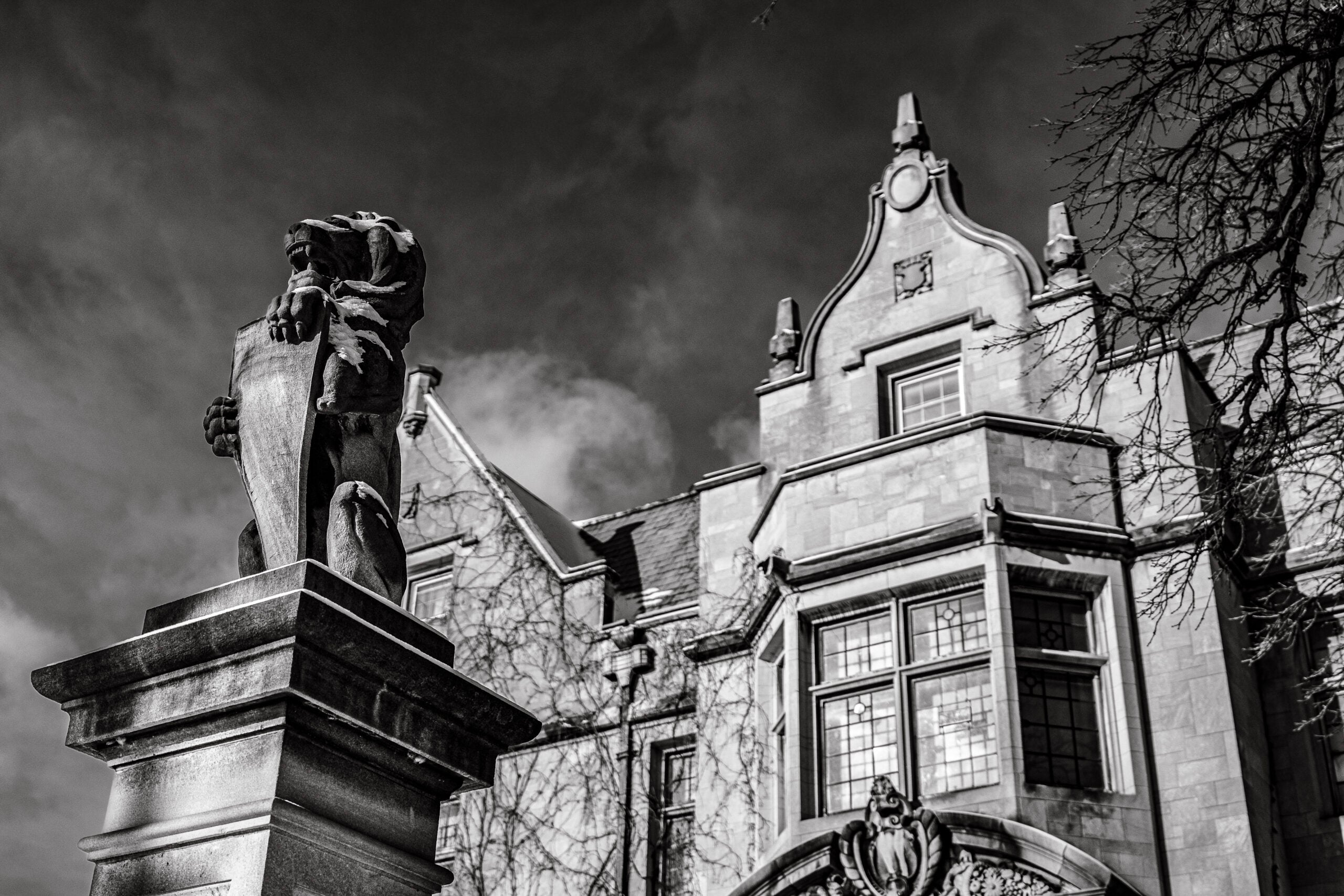
The real Pillsbury Mansion is open to visitors at 100 East 22nd Street. Book a table or a tour through the Plan Your Visit page or see experiences and tours. For more on what we know about the house, read the History Journal or what a columnist saw inside the mansion in 1969.
Keep reading: What Was Pillsbury House, the Minneapolis Settlement House That Carried the Family Name?