

What Was the Great Mill Disaster of 1878 — and How Did It Shape the Pillsbury Fortune?
A little after seven o’clock on the evening of May 2, 1878, Minneapolis shook. Down at St. Anthony Falls, where the city’s mills crowded the riverbank, the Washburn A Mill — a limestone colossus, the largest flour mill in the world — vanished in a single roaring instant. Windows shattered blocks away; the blast was reportedly heard as far off as St. Paul. When the sky stopped raining stone, all fourteen men working the evening shift were gone, and the proudest building in Minneapolis was a burning ruin.
The culprit was not dynamite, not a boiler, not sabotage — all theories whispered in the panicked hours that followed. It was the flour itself.
The Night the Flour Itself Exploded
Cadwallader C. Washburn had opened the A Mill in 1874, and for four years it stood as the great wonder of the young city — the largest industrial building in Minneapolis and the largest flour mill on earth. On that May evening, a spark deep in the works ignited the fine flour dust hanging in the air, and the mill detonated like a munitions depot. The fire that followed leapt to neighboring mills and consumed them too, killing four more men. Eighteen dead in all, and by morning roughly a third of the city’s milling capacity lay smoldering along the river. Newspapers across the country called it the Great Mill Disaster, and the Minnesota Historical Society still keeps a whole archive on that single terrible night.
An Invisible, Everyday Explosive
How does flour — the gentlest substance in any kitchen — level a stone building? Suspended in air as fine dust, it becomes something else entirely: an enormous surface area of fuel, waiting for one spark. Two University of Minnesota professors, S. F. Peckham and Louis Peck, proved it afterward with controlled experiments, concluding that a pair of dry millstones had rubbed together, sparked, and touched off the dust-laden air.
The disaster changed milling everywhere. Ventilation systems, dust collectors, and exhaust machinery became the new gospel of the trade, and the rebuilt mills of Minneapolis were among the safest and most advanced in the world. Out of the ashes, quite literally, came the modern milling industry.
The Rivalry That Rebuilt a City
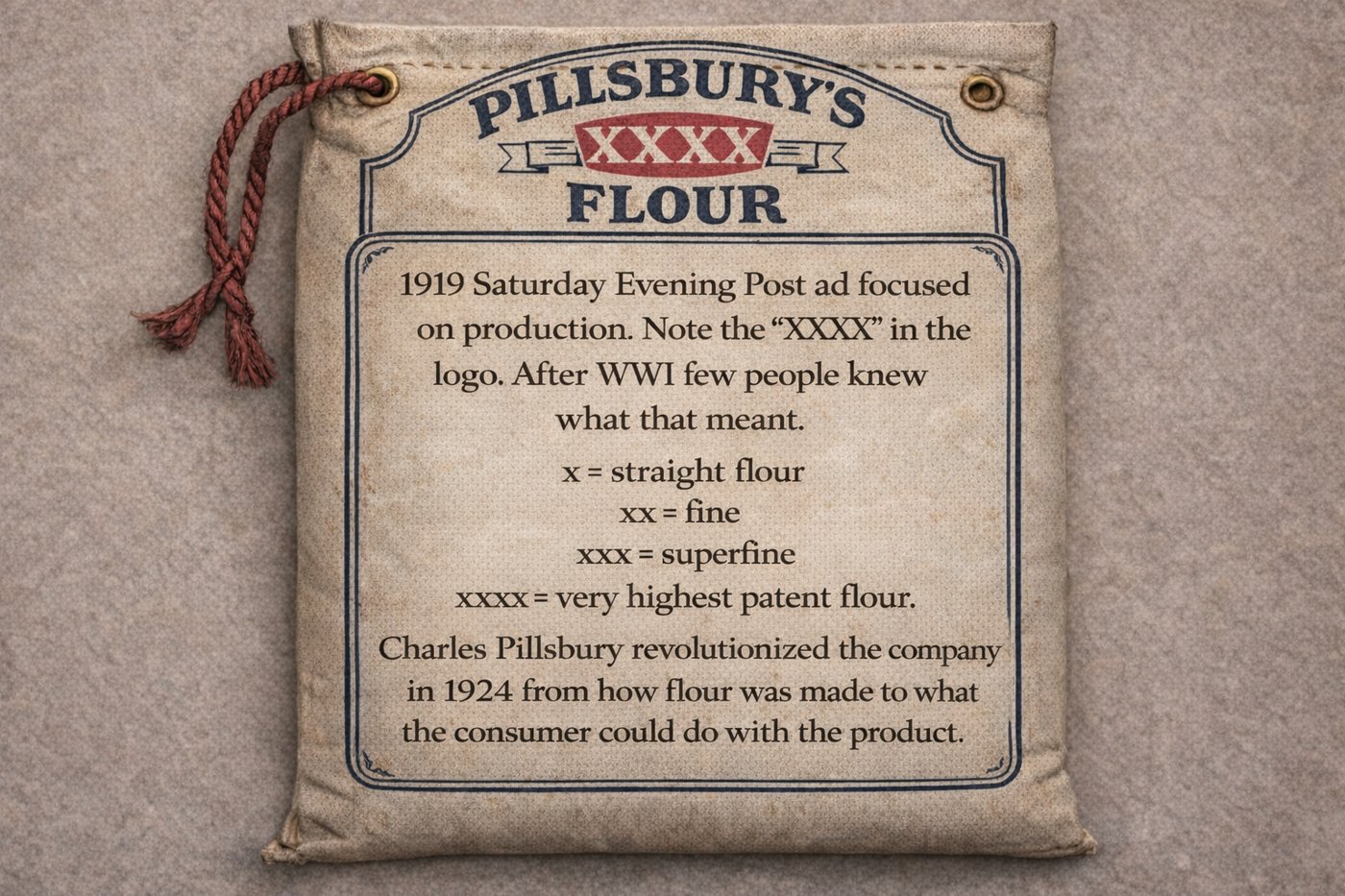
Washburn rebuilt at once — bigger, safer, defiant. And across the river, his great rival answered. Charles Alfred Pillsbury, who had founded his flour company in 1869, announced in 1879 that he would build the largest and most advanced flour mill the world had ever seen. He kept his word. Completed in 1881 to a design by architect LeRoy S. Buffington, the Pillsbury A-Mill ran two of the most powerful direct-drive waterwheels ever built — 1,200 horsepower apiece — and held the title of largest flour mill on earth for some forty years. The disaster had cleared the stage; the Pillsburys seized it. We tell the fuller story of that empire in how the flour fortune built this mansion.
The Twins Born in the Year of the Fire
Here is the detail we love most at the Pillsbury Club. In December 1878 — seven months after the explosion lit the Minneapolis sky — Charles Alfred Pillsbury’s twin sons were born: Charles Stinson and John Sargent. Charles S. Pillsbury grew up inside the empire his father built in the disaster’s aftermath, and by 1916 he had completed the great English manor at 100 East 22nd Street where you now stand. There is a quiet poetry in the geography, too: the mansion faces Washburn Fair Oaks Park, named for the very family the Pillsburys spent a generation racing. We’ve written about the vanished mansions of Washburn Fair Oaks — of that whole avenue of flour palaces, only this one still stands.
Walk Where It Happened
The story is still written on the riverfront. Mill City Museum is built directly into the ruins of the rebuilt Washburn A Mill, and across the river the Pillsbury A-Mill survives as artist lofts, its limestone face still watching the falls. A ride through the old milling district with Minneapolis Trolley Tours — which departs from our own front door — is the finest way to see it.
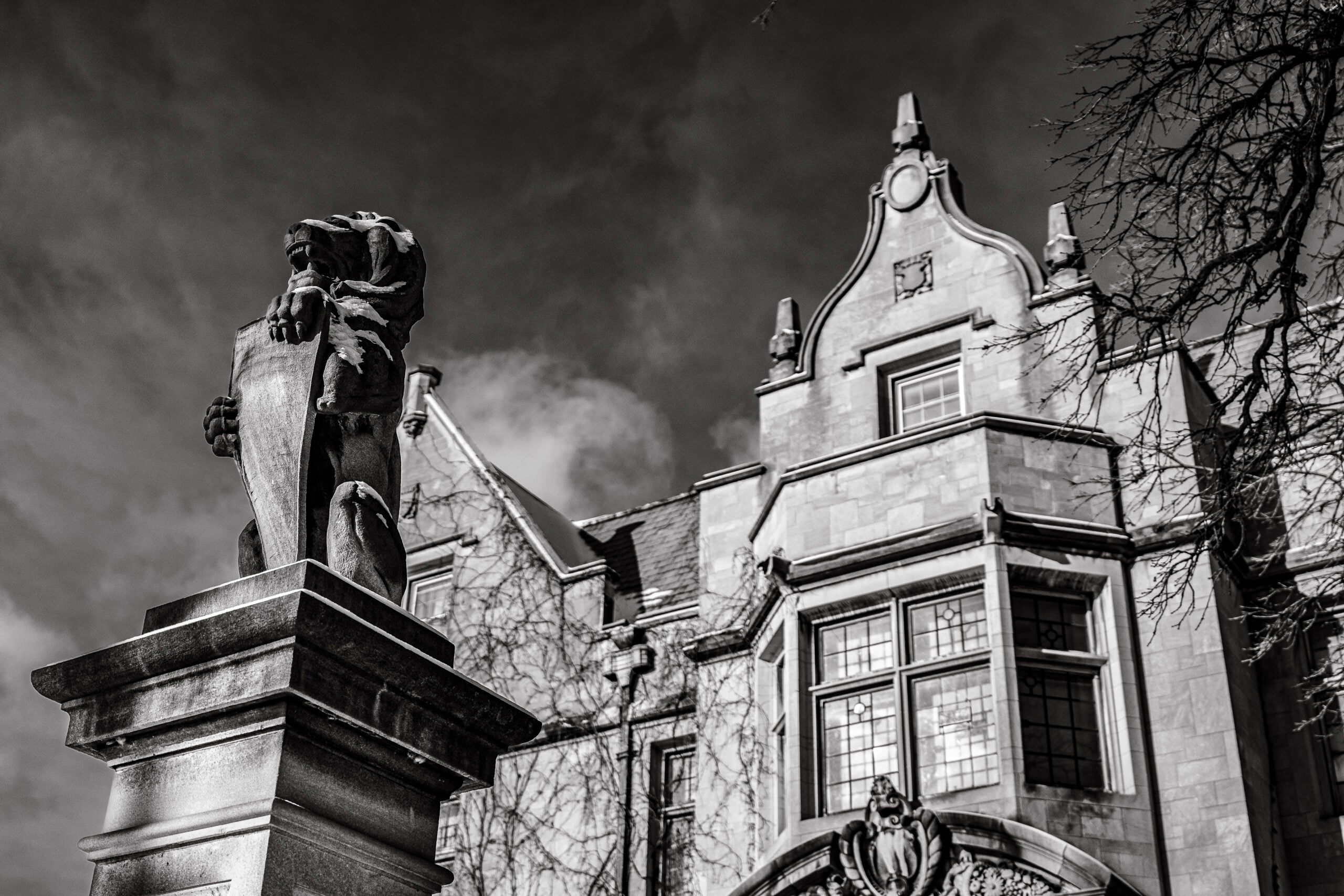
And when the trolley brings you back, step inside the mansion the flour built. Book a tour or an evening at the Pillsbury Club — the fire, the fortune, and the family are all still here, carved in oak.
Keep reading: out of the ashes of the mill era came a friendlier kind of flour war — how Pillsbury invented the Bake-Off to take on Betty Crocker.