
Chapter III
The Pillsbury
Company
The flour that built the fortune that built the house — and the marketing revolution that made a family name a household word.
From the Falls of St. Anthony
A Mill Becomes an Empire
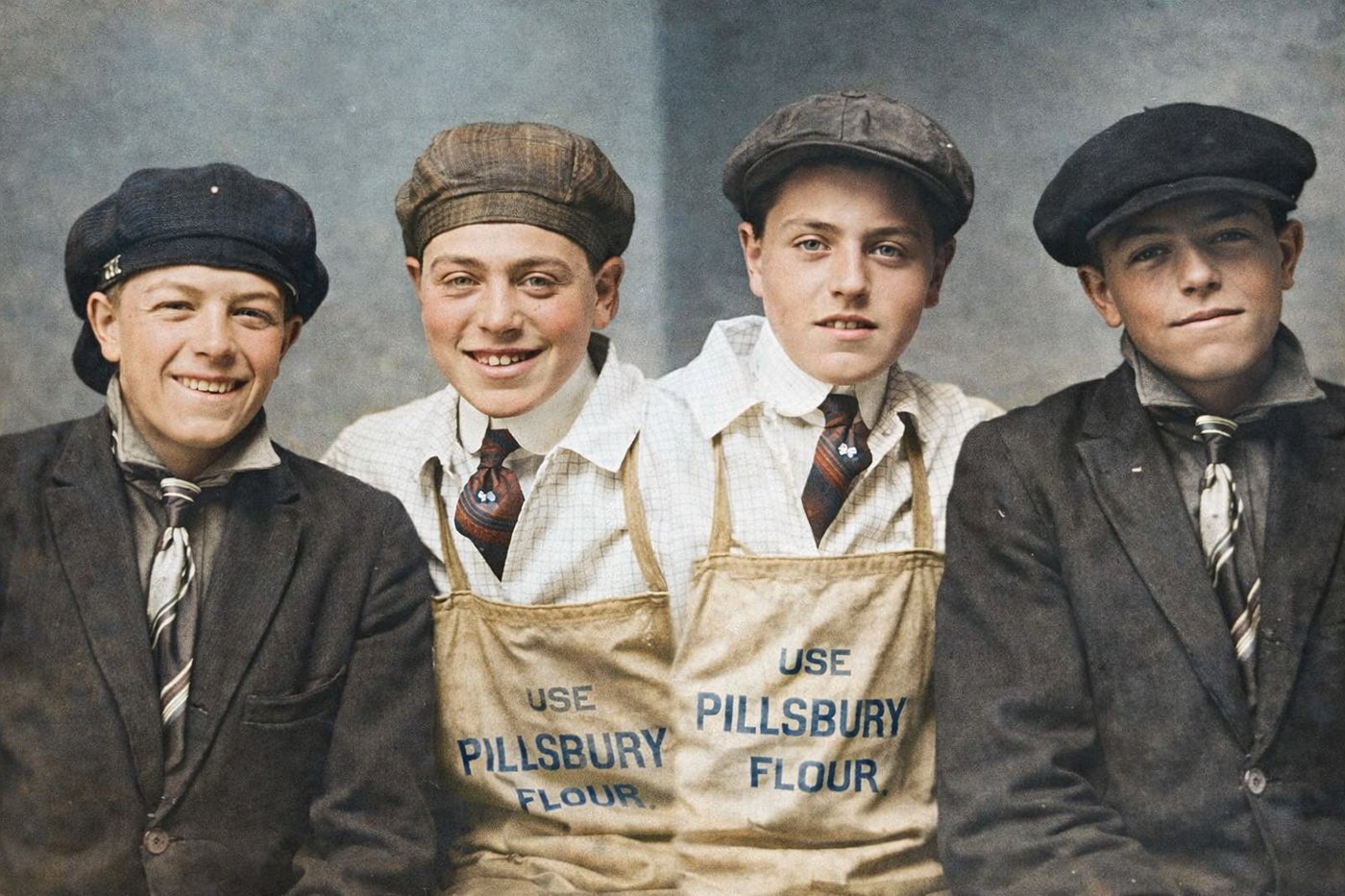
Charles Alfred Pillsbury founded the Pillsbury Company in 1869 and kept it family-owned for two decades. In 1889, it was sold to an English syndicate — and for thirty-five years the great Minneapolis flour name belonged, on paper, to investors across the sea.
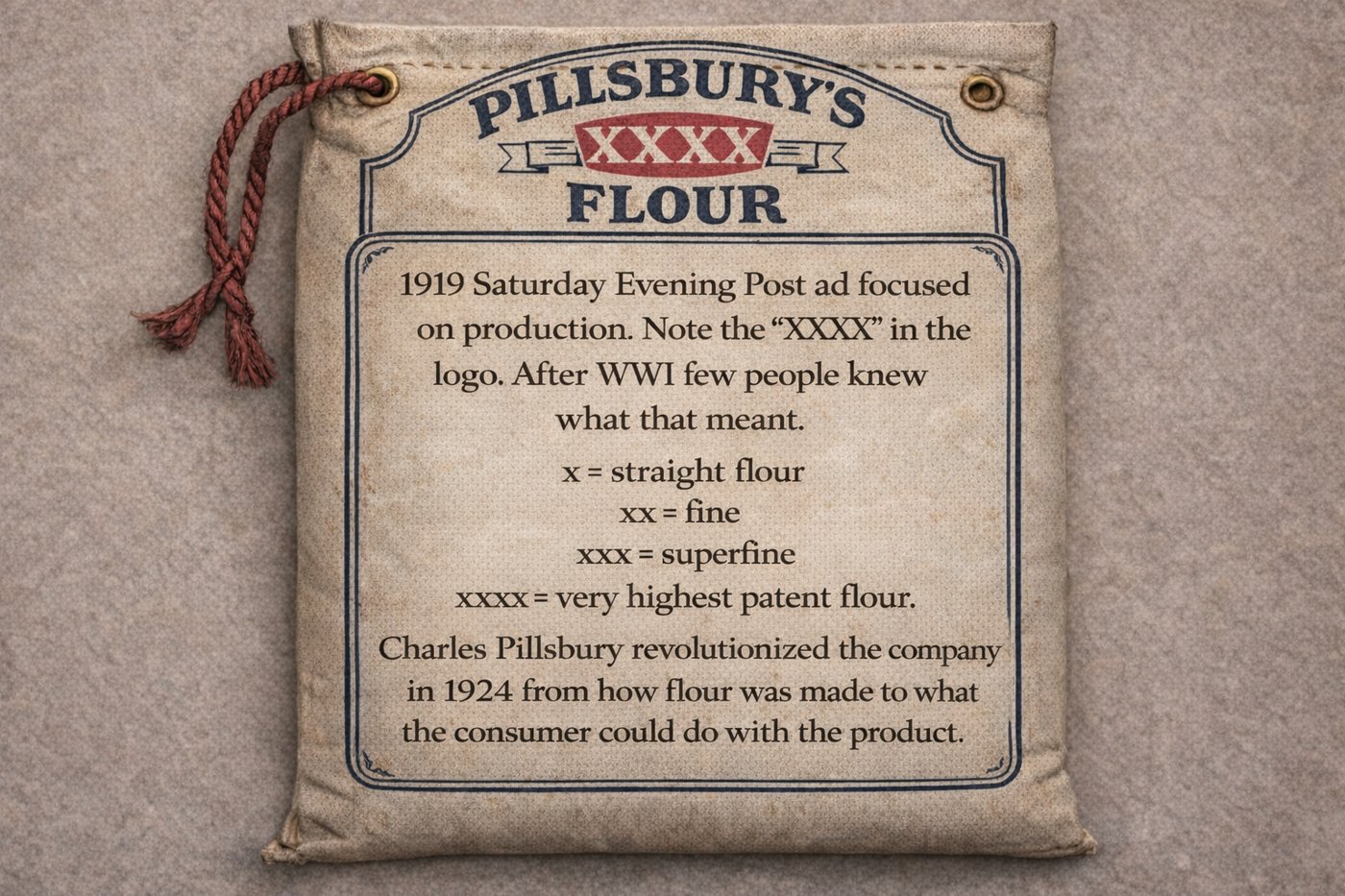
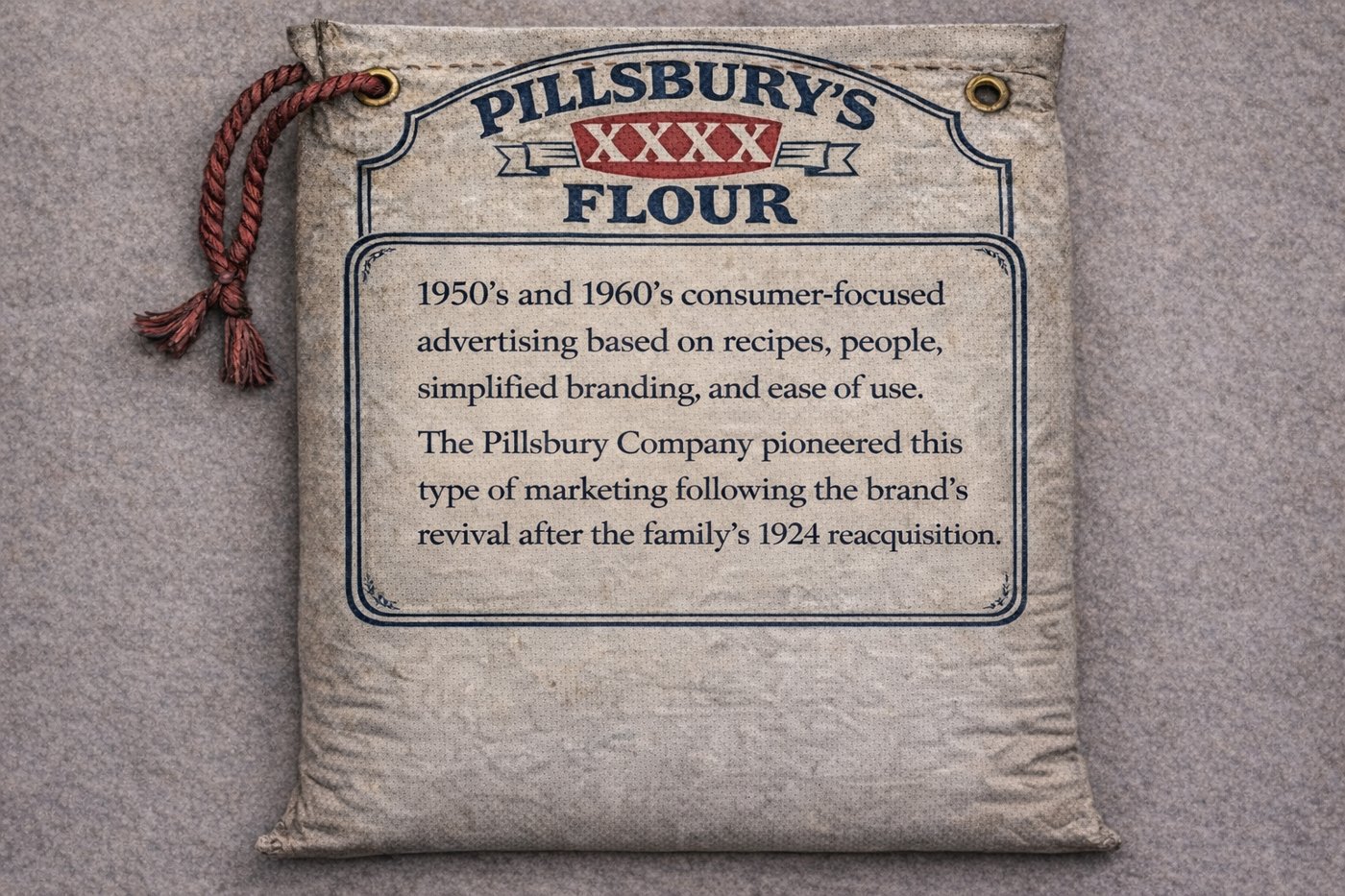
Then came 1924. Charles Stinson Pillsbury repurchased the company, rescuing it from the brink of bankruptcy with his own capital. He revived the business and transformed it through pioneering modern marketing — national bake-offs, radio programs, cooking shows, and a cohesive global brand identity that fundamentally changed how food was marketed, sold, and consumed.
The Idea That Changed the Kitchen
Selling the Recipe, Not the Flour
Pillsbury pioneered a new kind of advertising — built not around the product, but around recipes, people, simplified branding, and ease of use. A bag of Pillsbury’s Best came as part of a folder of recipes, changed every few weeks: “a treasure-house of new, unusual, yet practical recipes.”
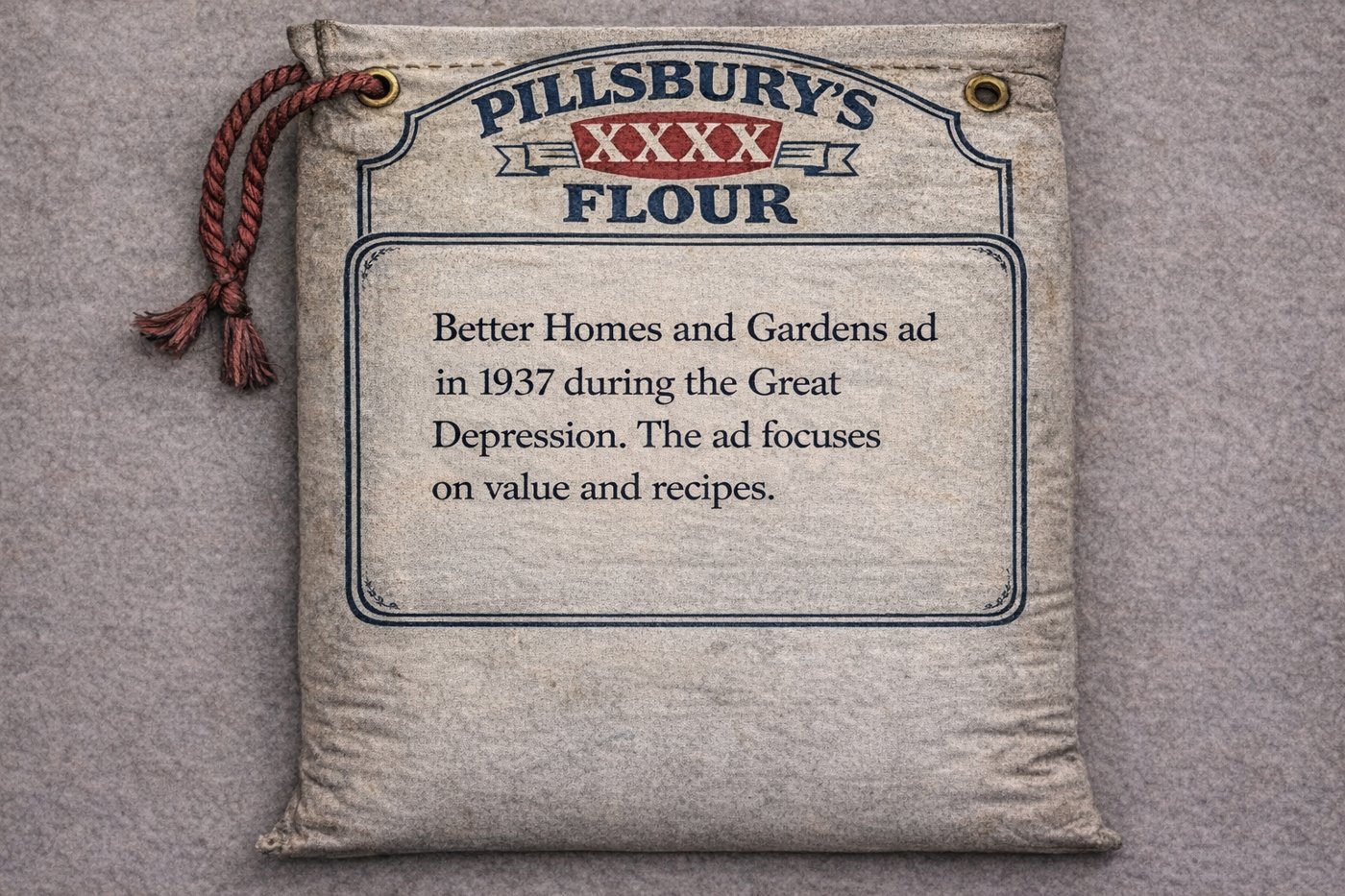
“A fine, dependable flour like Pillsbury’s Best is actually the least expensive ingredient you can buy — because every time you use a penny’s worth of flour, you save on the average sixteen cents’ worth of other ingredients.”
Better Homes & Gardens, October 1937From the Chocolate Sundae Cake to the Luncheon Eclair, Pillsbury taught America not merely to buy flour, but to cook with confidence — and to associate that confidence with a single, friendly name.
An Icon Is Born
Poppin’ Fresh
Under Philip Pillsbury, the company introduced premade dough — and with it, one of the most beloved characters in American advertising history: the Pillsbury Doughboy, Poppin’ Fresh. A giggle, a poke in the belly, and a family name became a friend in kitchens around the world.
A single mill at the falls. A global brand on every shelf.The Pillsbury Company, 1869 – today