
Which Pillsbury Daughter Was Married in Paris? Katharine Pillsbury’s Wedding at the American Cathedral, May 1930
On Friday, May 23, 1930, the society page of the Minneapolis Journal led with a wedding that would not happen in Minneapolis at all. “Miss Katharine Pillsbury and Elliott McKee Will Be Wed Tomorrow in France,” the headline ran, and the column beneath it laid out, with the care those pages gave to such things, a ceremony set for noon the next day in Paris. It is one of the few surviving accounts of the middle Pillsbury daughter’s wedding, and it has not been told in this journal before.
The wedding the Journal described
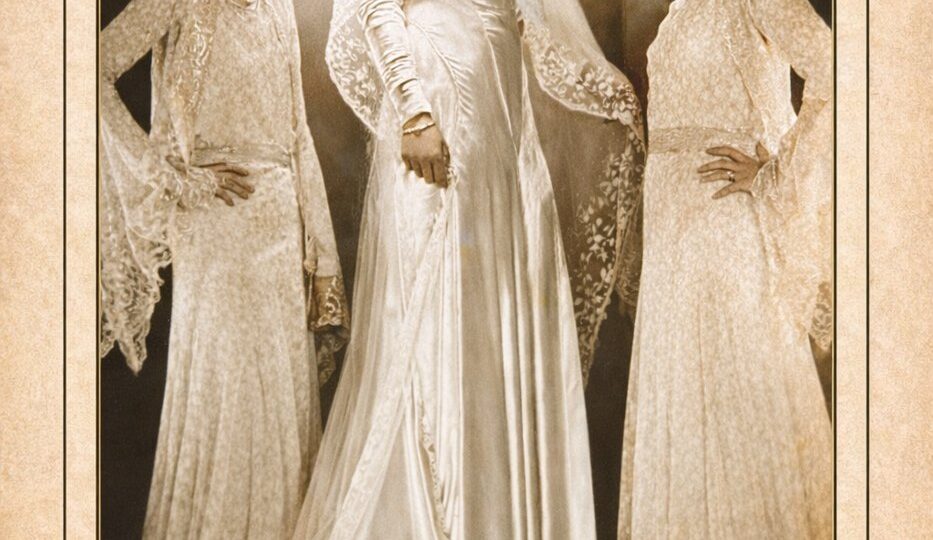
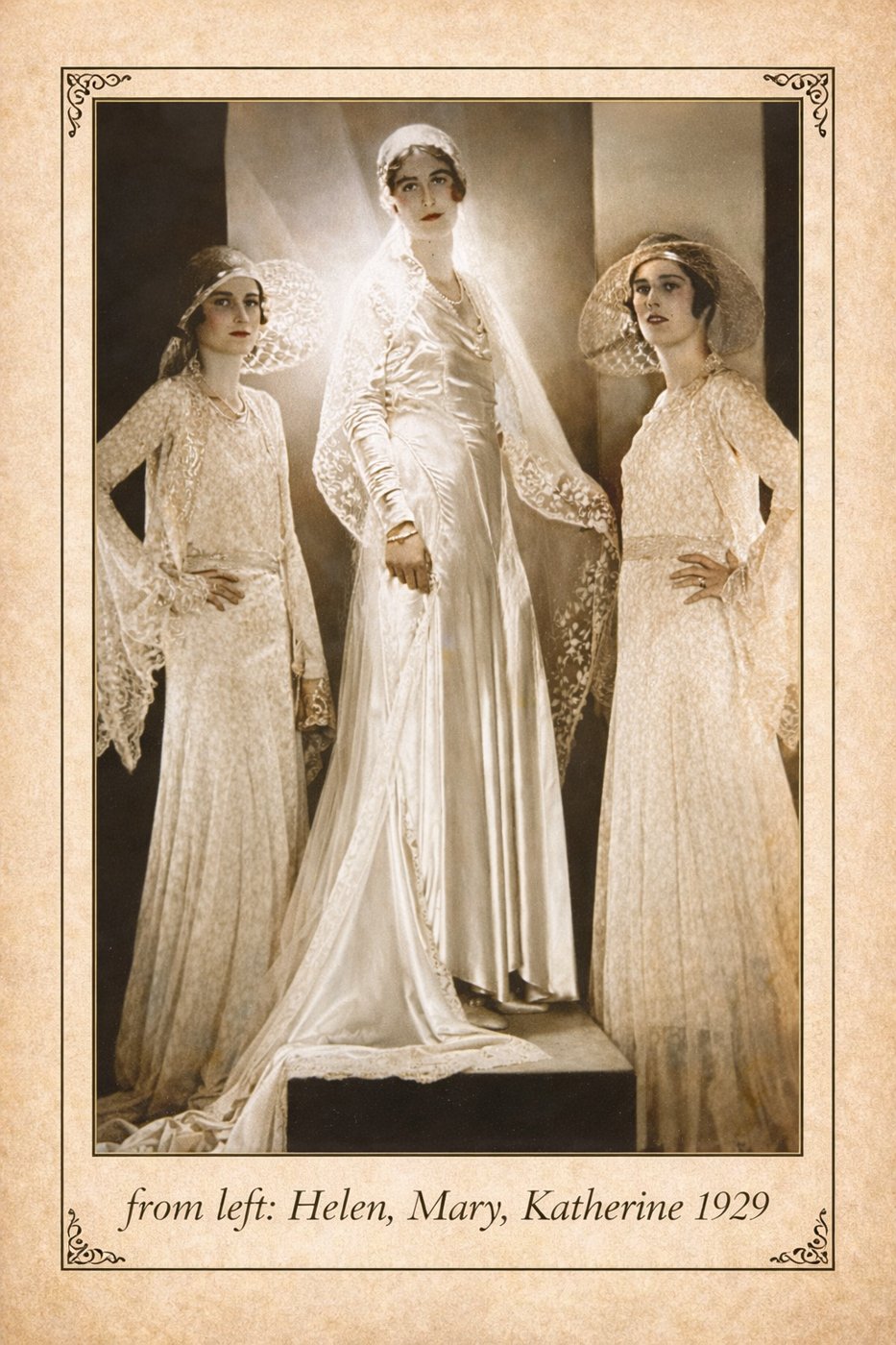
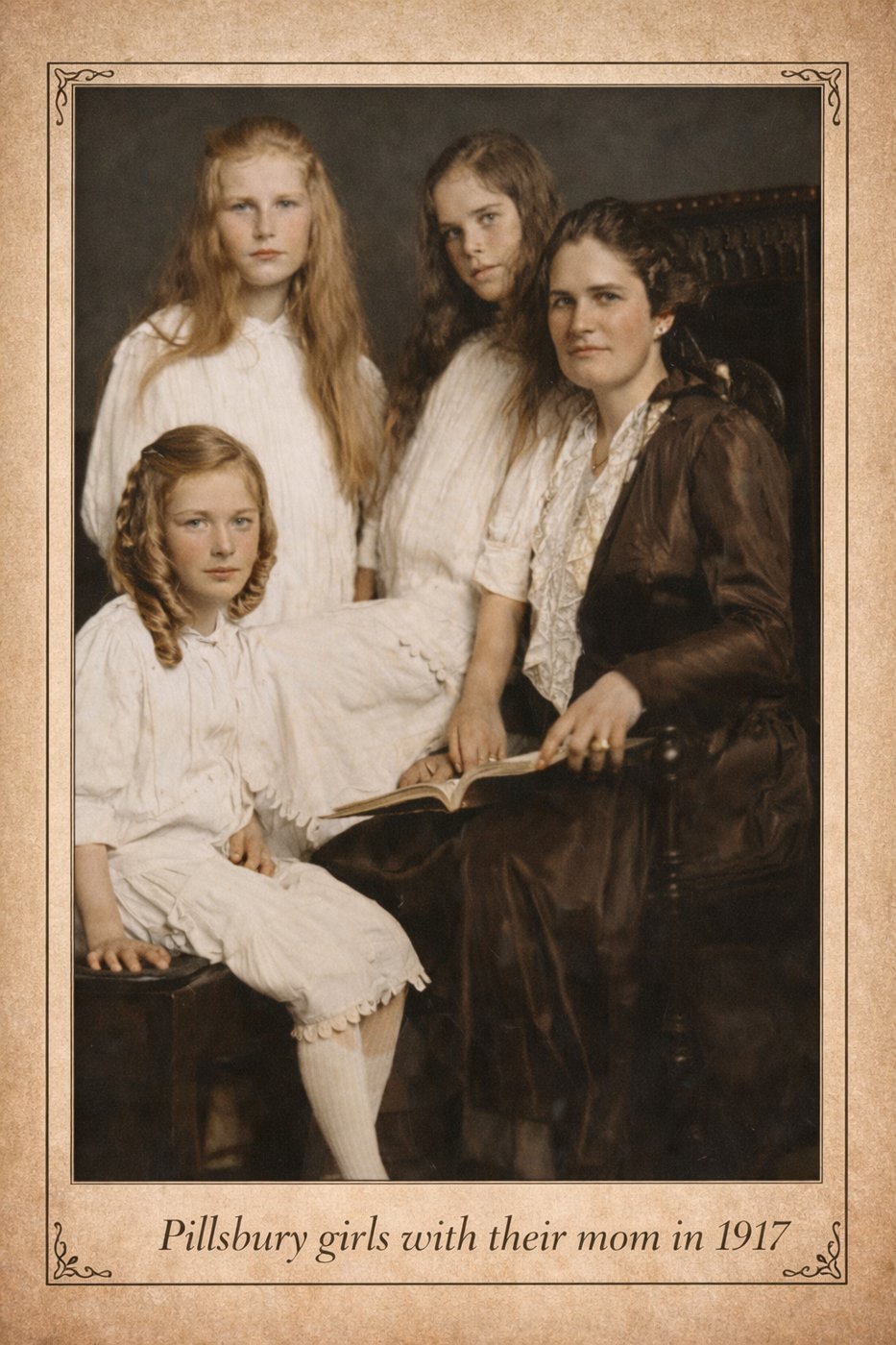
Katharine Stevens Pillsbury was the daughter of Charles Stinson Pillsbury and Helen “Nelle” Pendleton Winston Pillsbury, and she grew up in this house at 100 East 22nd Street. The Journal announced that she would marry Elliott Bates McKee, described only as “of Washington and New York,” at twelve noon on Saturday, May 24, 1930, in the American Pro-Cathedral of the Holy Trinity in Paris. Dean Beekman would perform the ceremony. Her attendants were her two sisters: Mrs. Oswald Bates Lord, whom the paper still identified in parentheses as Mary Stinson Pillsbury, and Miss Helen Pillsbury.
The wedding party was mostly the groom’s world. Oswald Bates Lord, Mary’s husband of five months, was best man. The ushers were Philip Winston Pillsbury, the bride’s brother; Robert Colgate, Allen Murray and Cornelius Agnew, Jr., all of New York; John Utter of Washington; John Quarles of Idaho; Robert Buell of Rochester, New York, who the paper noted was secretary at the American embassy in London; Robert Fisk of Boston; James Greenway of New Haven; and Edwin Lord of Wynnewood, Pennsylvania. Afterwards, Mr. and Mrs. Charles S. Pillsbury would give a wedding breakfast at the Plaza Athénée. The couple planned a honeymoon “on a motor trip in southern France,” and then, the Journal reported, they would live in Paris.
That is the whole of what the clipping tells us, and it is worth resisting the urge to fill in the rest. The paper does not say why Paris, how long the family had been abroad, or what Mr. McKee did. What it does establish is the sequence: Mary married at home in this house in December 1929, and by the following May the whole family, the new son-in-law included, was standing in a Gothic Revival church on the avenue George V.
The church on the avenue George V
The American Pro-Cathedral of the Holy Trinity is today simply the American Cathedral in Paris, and its own history explains what kind of place the Pillsburys chose. Holy Trinity was founded in 1859 as the first American Episcopal parish outside the United States. Its present building, a soaring Gothic Revival design by the English architect George Edmund Street, opened for its first service in 1886 on what was then the avenue de l’Alma, and it was consecrated as a cathedral in 1923. According to the cathedral’s timeline, the Rev. Frederick Beekman had been named rector in 1919 and led the congregation into the Second World War; he is the “Dean Beekman” of the Journal‘s column. The timeline also records, almost as an aside, that 1930 was the year of the first major restoration of the church’s Cavaillé-Coll organ, which raises the small, unanswerable question of what music the bride walked in to.
The wedding breakfast was a short distance away. The Hôtel Plaza Athénée stands on the avenue Montaigne, which, like the avenue George V, runs from the Champs-Élysées down toward the Seine. For a Minneapolis family whose own house was built around rooms bought in London showrooms, a wedding in an English-designed church in Paris followed by breakfast on the avenue Montaigne was not out of character.
Katharine, before and after
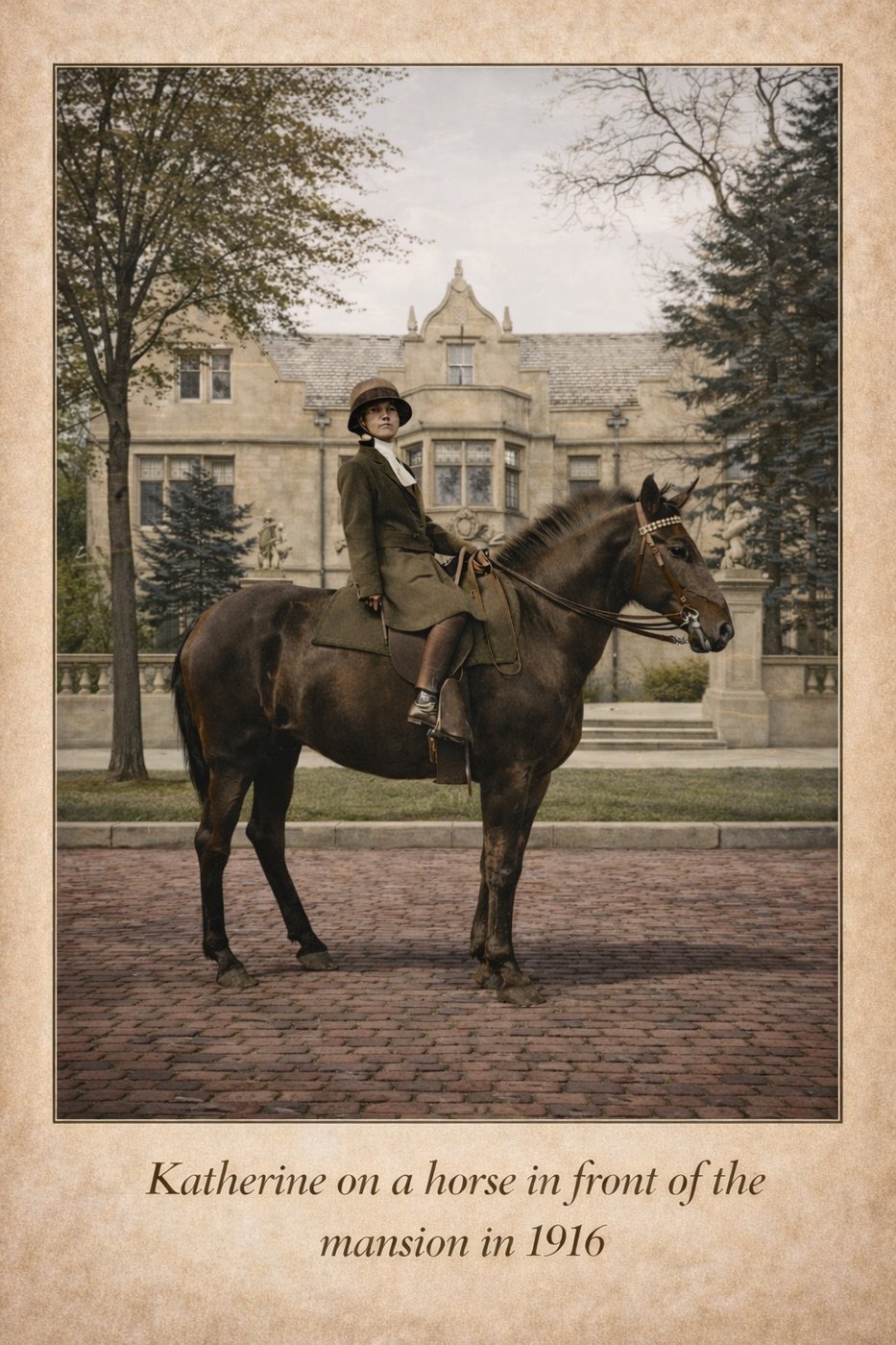
Katharine appears throughout this journal, usually at the edge of someone else’s story. She is one of the three sisters who all enrolled at Smith College at the same time; she carried Talisman roses beside Helen at Mary’s wedding in 1929; and in January 1935, as Mrs. McKee, she and Mary were among the passengers who survived the sinking of the SS Mohawk off the New Jersey coast. The 1930 wedding sits in the middle of that run, and it is the one moment in the record where she is the principal.
A note on the name. The Journal spells it Katharine, and so does the 1929 wedding account. The family photographs in our collection, and the captions on them, spell it Katherine. We have used the newspaper’s spelling here and left the photographs as they are, since both appear in the sources and this journal does not resolve conflicts its sources have not resolved.
Why a Paris wedding belongs in a Minneapolis house’s history
The Pillsbury Mansion was built between 1912 and 1916 as a family house, and the family’s story did not stop at the front gate. The daughters raised in its oak-paneled rooms went to Massachusetts for college, to Paris to marry, to New York and Washington to live, and, in Mary’s case, to the United Nations. Reading a 1930 society column against those rooms is a reminder that the house was always a departure point as much as a destination. You can read about the family who built it on The Pillsbury Family, and about the daughter who became a diplomat on Mary Pillsbury Lord.
The Minneapolis Journal page that carried the announcement is preserved in the Minnesota Historical Society’s newspaper collections, where the whole run of the paper can be searched. If you would like to stand in the great hall where Mary was married and the sisters were photographed, our guided mansion tours run year-round; plan your visit to the Pillsbury Club and we will show you the rooms the Journal’s readers would have known.