What Is the History of the Tallow Chandlers’ Company? From Medieval London Candle-Makers to a Fireplace in Minneapolis
Most people have never heard of the Tallow Chandlers, yet one of their fireplaces sits in a Minneapolis library more than 4,000 miles from London. To understand why it matters, it helps to know who the Tallow Chandlers were: a medieval trade guild, one of the livery companies of the City of London, that still exists today.
What is a tallow chandler?
Tallow is the rendered fat of cattle and sheep, and a chandler is a maker and seller of candles. Before electricity, gas or paraffin wax, tallow candles were the everyday light of ordinary households. They smoked and they smelled, but they were cheap, and cities ran on them. According to the Company’s own history page, the guild formed around the year 1300 to regulate oils, ointments, lubricants, fat-based preservatives and candle making with tallow.
How did the Tallow Chandlers become a powerful London company?
Over roughly 150 years the guild grew in membership and influence. Henry VI granted it a coat of arms in 1456, and Edward IV gave it a charter of incorporation in 1462, with authority over tallow candle making in the City. That charter let the Company seize and destroy inferior goods, which in a trade built on fat and flame was a real public service.
Their work reached well beyond candles. By the 1500s the Company was looking after London’s trade in a range of household goods, including sauces, vinegar, soap, cheese and even herrings. It also took part in civic life: tallow candles were central to the City’s compulsory street lighting, which began with an order in 1461 that households hang a lantern lit by a tallow candle outside their homes, and the Company supplied men to the City Watch.
The hall on Dowgate Hill and the Great Fire of 1666
In 1476 the Company bought the site of its hall on Dowgate Hill, where it still stands. The Great Fire of London destroyed that hall in 1666, along with 27 other properties the Company owned. The Master at the time, Richard Edlin, saved many of the Company’s documents and some furniture. The hall was rebuilt and completed in 1672. It is now Grade I listed, survived the Blitz, and is still used for charitable, trade and social events.
From candles to charity
The Company’s fortunes slid around 1700, when spermaceti and later paraffin wax replaced tallow in candles, and then gas and electric light made the street-lantern business obsolete. But tallow found a new life in soap. In 1853 the government removed the tax on soap and tallow. Today few livery companies still police a trade, and the Tallow Chandlers are known largely for charity and education, including support for local schools. In 2012 the Company marked its 550th anniversary.
What does a London guild have to do with the Pillsbury Mansion?
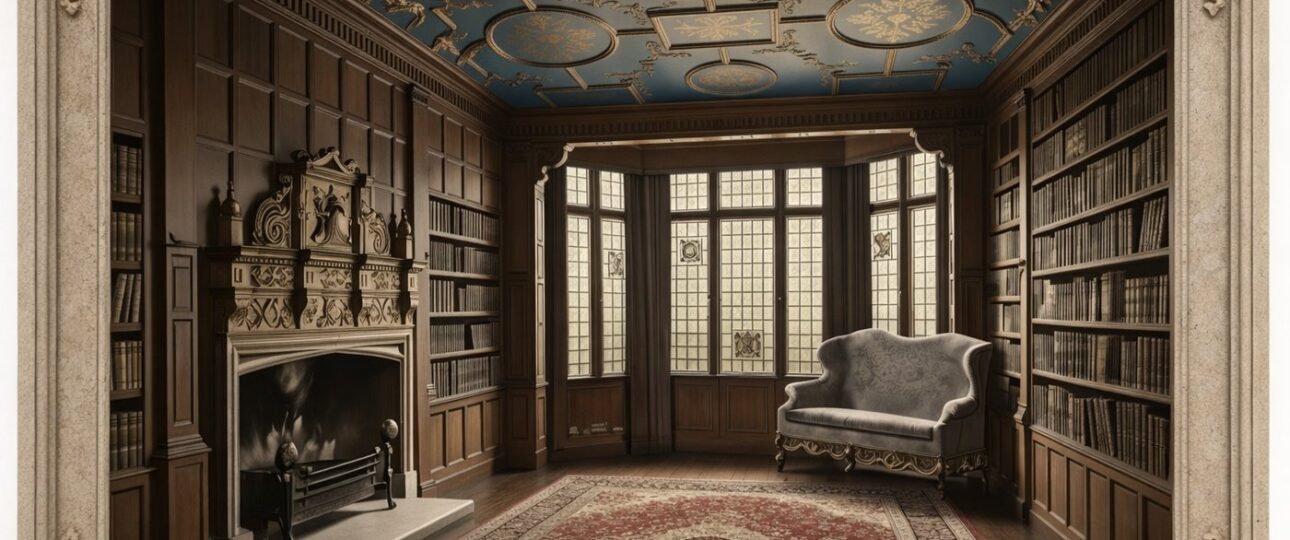
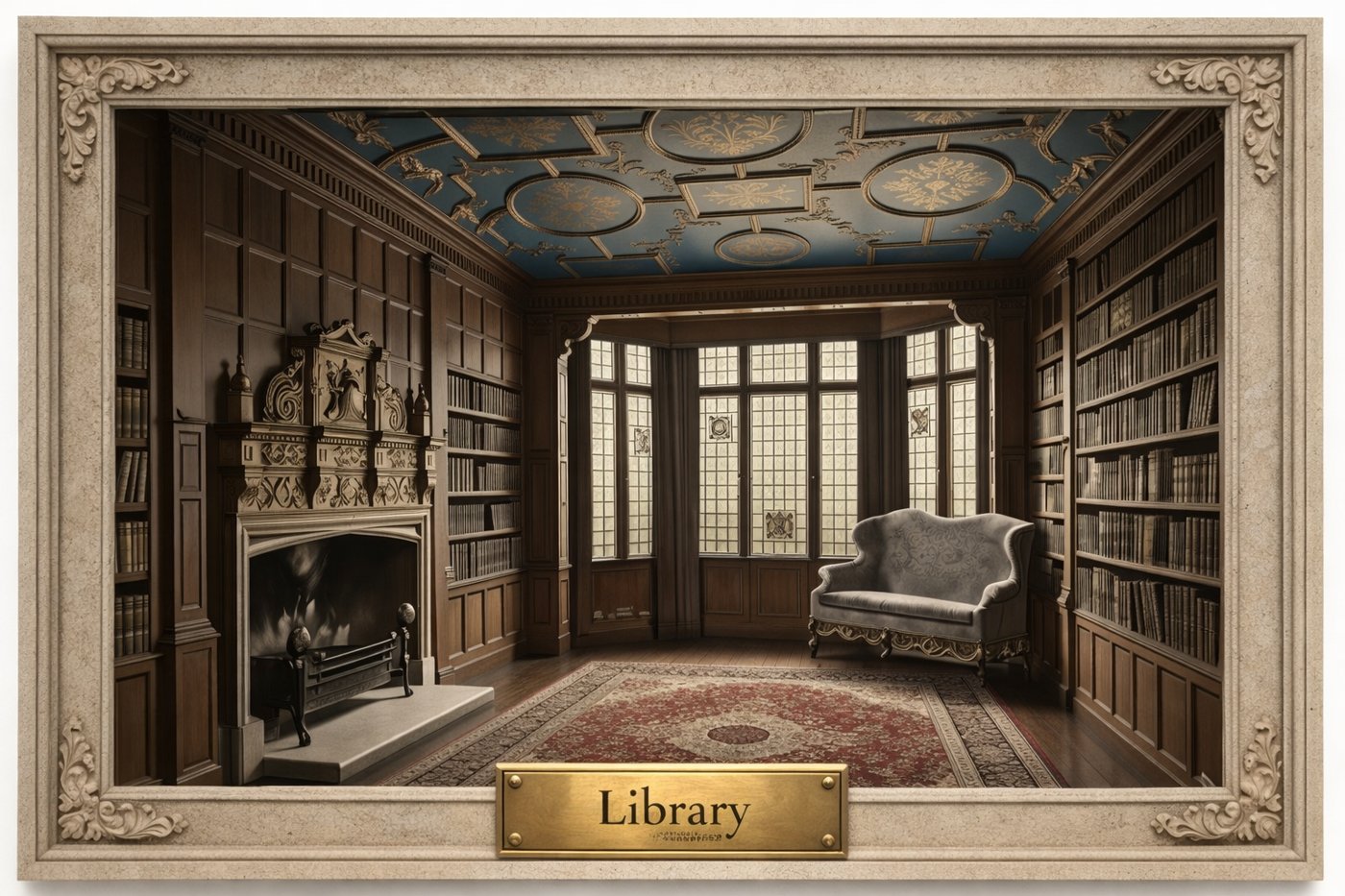
Quite a lot. According to the mansion’s own history, the stone chimneypiece in the library was carved in 1476, the year the guild bought its Dowgate Hill site, and it bears the arms granted to the Company in 1456. It survived the Great Fire of 1666. The arms were later updated in the early 1600s, which is how the older fireplace came to be regarded as outdated and sold. In 1913 the dealer Charles Duveen, known as “Charles of London,” sold it to Charles S. Pillsbury, and the mansion’s own pages describe a competition with William Randolph Hearst for it. Today it warms the library of the house.
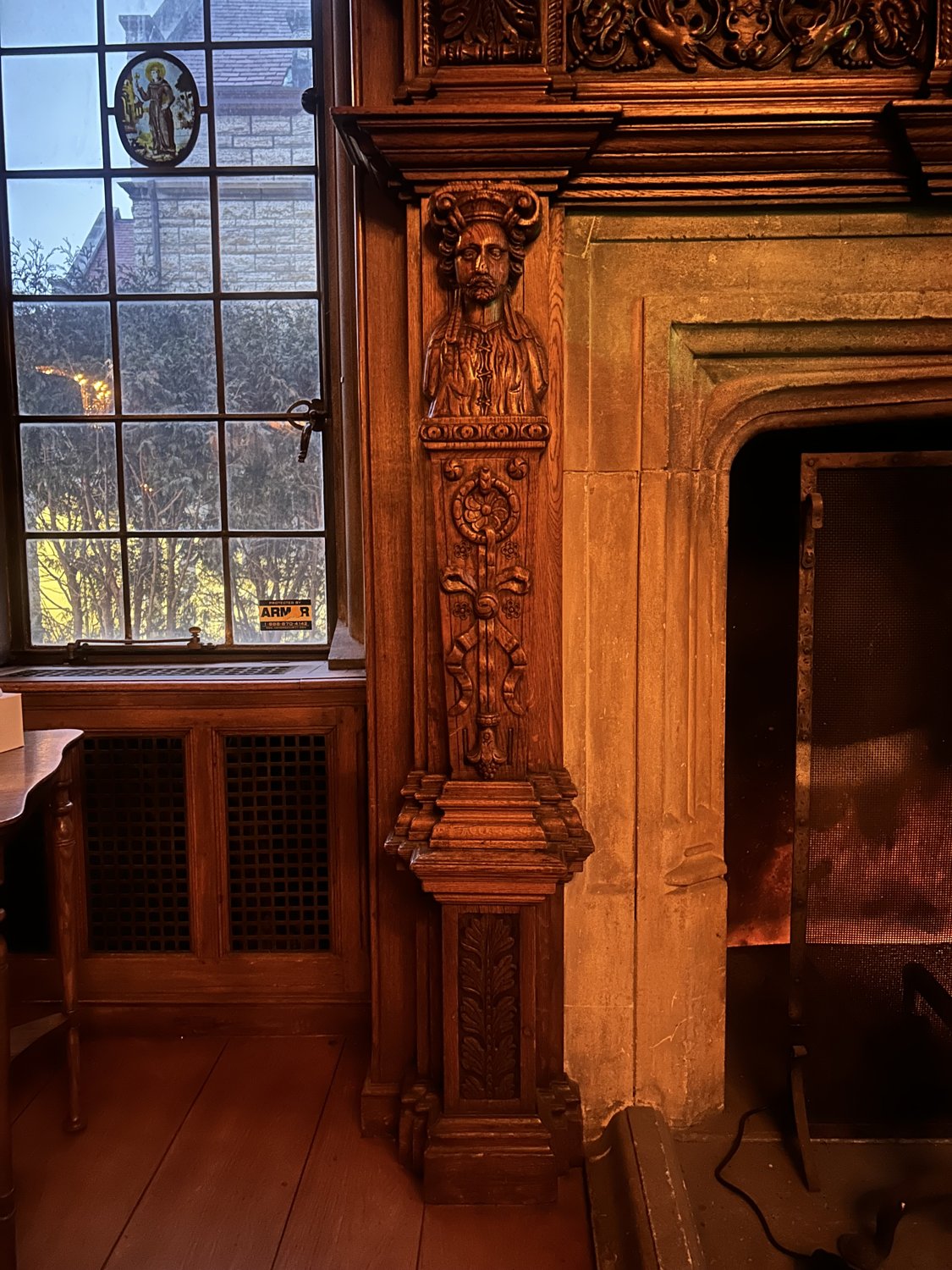
The chimneypiece also carries the guild’s patron saint, John the Baptist, so you can read the whole story in stone: a trade, a patron, a coat of arms and a hall that burned. For more on how the fireplace traveled, read Who Were the Tallow Chandlers, the London Guild Behind the Mansion’s Oldest Fireplace?, or see the full collection on The Splendors page.
Want to see it in person? Plan your visit on the Plan Your Visit page or explore the mansion tours, and for the rest of the house’s story, browse the History Journal.
Keep reading: What Is the History of Rotherwas Court? From the Domesday Book to the Oak Staircase in a Minneapolis Mansion