What Did a 1944 Star Tribune Columnist Say Mary Pillsbury Lord Had Done for the War? From Belgian Pen Pal to WAC Recruiter
On Sunday, July 2, 1944, a Minneapolis newspaper columnist sat down with a woman who had grown up in the Charles S. Pillsbury Mansion and asked, in effect, how a local girl had ended up running so much of America’s home-front effort. The result is a full-column profile in the Star Tribune by Virginia Safford, preserved in the Club’s clipping files. It is worth reading closely, because it fills in a decade of Mary Pillsbury Lord’s life that our other posts only touch.
Who was the column about?
The columnist introduces her as the former Mary Pillsbury, daughter of Mrs. Charles S. Pillsbury and the late Mr. Pillsbury, by then Mrs. Oswald Bates Lord of New York. The occasion was a new appointment: she had just been named chairman of the civilian advisory committee of the Second Service Command to stimulate recruiting for the Women’s Army Corps. Safford’s point was that this job had a long run-up. (For the later chapter, see our page on Mary Pillsbury Lord.)
How did she become a “marraine” to Belgian soldiers?
The earliest story in the column goes back to 1914. According to Safford, a Belgian woman, Mademoiselle Lemaire, had made her home with the Pillsbury family for many years, and under her influence the young Mary began writing letters to two Belgian soldiers whose names came from a cousin of Miss Lemaire, a colonel in the Belgian army. One soldier passed along more names, and by the end of the war Mary was a “marraine,” the French word for godmother, to any number of fighting Belgians. The column says King Albert sent her a letter of thanks, and that another came from Princess Marie Jose, then crown princess of Italy. We have followed that thread from the other end, in the 1916 Tribune story about the King of Belgium’s note to a child in this house.
What did she do after moving to New York?
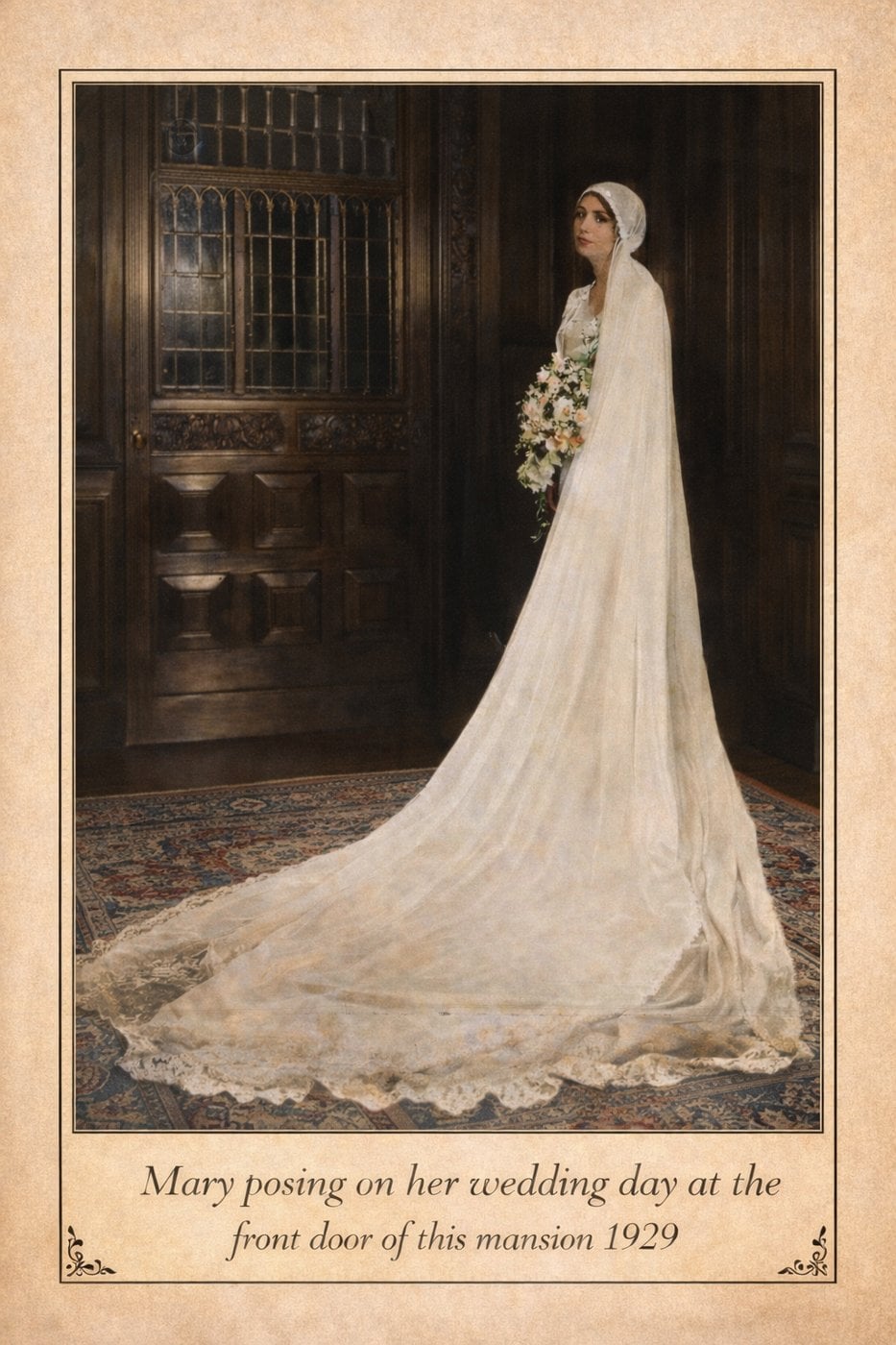
The column says Mary became Mrs. Oswald Bates Lord in December 1929 and moved to New York, where her energy went first into family welfare work for Smith College graduates. She was elected head of what Safford calls the Russell Sage college foundation, spent about five years doing case work with a community service center (she was still on its board of trustees in 1944), and became active in the New York Junior League, where she served as a vice president in charge of welfare work and then as president in 1937 and 1938.
That role led to the New York World’s Fair. According to the column, she was asked to sit on the fair’s board and on its national women’s advisory committee, then headed by the first Mrs. Vincent Astor. When the fair opened for its second year, Mary inherited the chairmanship, and she was there every day as official hostess to distinguished foreign delegates and visitors.
What was the “99 Park Avenue” club?
Safford writes that Mary was already deep in war work well before the United States entered the war, starting with sewing and knitting for the Allied Relief club. In March 1941, she says, Mayor LaGuardia made her co-chairman, with Marshall Field, of the city’s recreational defense committee, and together they organized the “99 Park Avenue” club, the clearinghouse for entertainment for servicemen in New York. The column credits the club with handing out more than 3,000,000 free tickets to legitimate shows, not counting the movies, broadcasts and operas.
By September 1941 the mayor, then national head of the Office of Civilian Defense, had named her assistant regional director for a region covering New York, New Jersey and Delaware. Her task, the column says, was to organize state and local committees for everything except air raids and emergency civilian protection: war bond drives, car sharing, victory gardens and the like. Our post on what Mary Pillsbury Lord did during the Second World War picks up the story from there.
How did a fund drive grow from $800,000 to $1.7 million?
In September 1943, Safford writes, banker Winthrop Aldrich asked to borrow Mary from civil defense to run the women’s division of New York City’s national war fund, which supported 19 war agencies and seven local ones. The quota was $800,000. Mary’s method, as she described it to the columnist, was a pyramid: eight top women, each of whom appointed five team captains, who in turn organized working groups of 10, for a committee of 400. Among the captains she named was Elsa Maxwell. The column says the women not only met the quota but raised it to $1,700,000. In December 1943 she accepted the permanent chairmanship of women’s activities for the national war fund and, by the column’s count, had since traveled through 15 states.
Why was she asked to recruit for the WAC?
Her newest role came as a direct appointment from Maj. Gen. Thomas A. Terry. In the column, Mary says her committee would try to help with public relations, with actual recruiting and with information centers, stressing how badly the Army needed women and that one WAC could often do the work of two men. For context on the corps itself, the National WWII Museum notes that the program was signed into law in May 1942 and that more than 150,000 women served, and the National Park Service describes how the auxiliary became the Women’s Army Corps in 1943.
The column ends on a lighter note. Safford reports that the Lords had built a small farm in the Connecticut woods, where they spent quiet weekends with their two boys, that Mary said she was no good in the kitchen, and that her one hobby was photography, which grew out of a 1940 trip to South America. The columnist’s verdict on her one unsolved problem: finding time to get her hair done.
A note on how we read it
Everything above is the columnist’s account, as printed in 1944, not independent confirmation of each figure. Where the column and our other sources use different wording, we have kept the column’s. You can follow Mary’s later story in what her obituaries recorded about the 1960 Ethiopian coup, and the wider family story in our page on the Pillsbury family.
Want to stand in the house she grew up in? Explore the tours at the Pillsbury Club and plan your visit.